Shade Container Plants for Low Light Areas
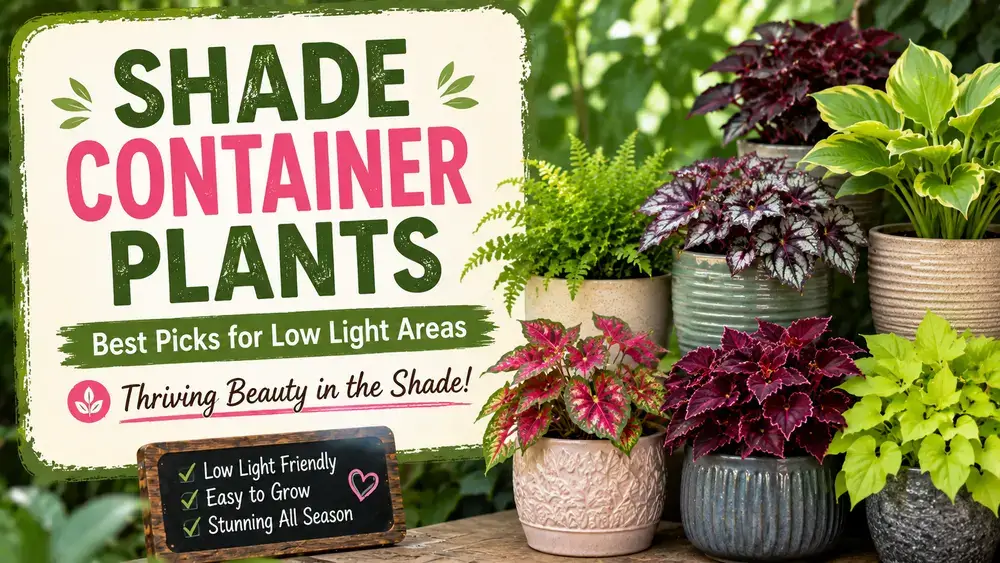
Not every garden gets full sun all day, and that is perfectly fine. Many beautiful plants actually prefer shade and thrive in cooler, low-light spaces like covered patios, balconies, porches, and shaded corners of the yard. Choosing the right shade container plants can transform these dull areas into vibrant, relaxing green spaces without requiring constant maintenance.
In this guide, you will learn how to grow healthy plants in low-light conditions, which containers work best, and which shade-loving varieties are easiest for beginners. Whether you want colorful foliage, flowering plants, or lush greenery, these practical tips will help you create attractive shade gardening containers with confidence.
Quick Answer
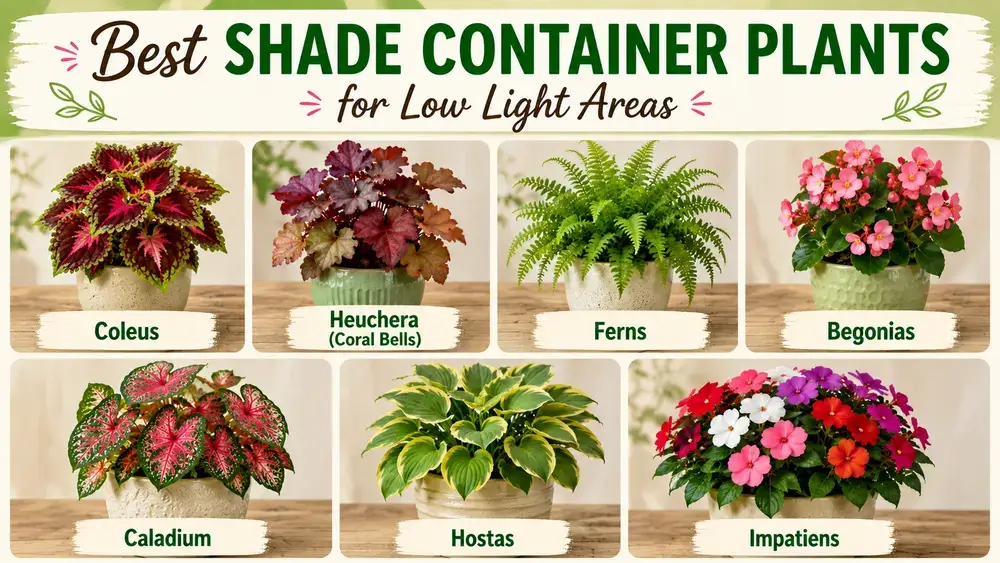
The best shade container plants for low light areas include coleus, heuchera, ferns, caladium, begonias, and hostas. These plants grow well in containers with limited sunlight and are ideal for balconies, patios, indoor corners, and shaded garden spaces.
To succeed with shade gardening containers, use quality potting soil, avoid overwatering, and choose plants based on the amount of filtered or indirect light available.
Why Shade Container Gardening Works So Well
Many beginner gardeners assume all plants need direct sunlight. In reality, plenty of plants naturally grow beneath trees or in forest environments where light is softer and indirect.
Container gardening in shaded areas offers several advantages:
- Less water evaporation compared to full-sun containers
- Lower risk of heat stress
- Easier maintenance during the summer
- Better conditions for delicate foliage plants
- More flexibility for balconies and apartment spaces
If you are new to growing plants in pots, this beginner guide to container gardening can help you understand the basics before starting your shade garden.
Understanding Different Types of Shade
Before choosing plants, it is important to understand how much shade your area receives.
| Shade Type | Description | Suitable Plants |
|---|---|---|
| Full Shade | Less than 2 hours of direct sun | Ferns, hostas, caladium |
| Partial Shade | 2–4 hours of sunlight | Begonias, coleus, impatiens |
| Dappled Shade | Filtered light through trees | Heuchera, ivy, fuchsia |
Observe your space for a few days before planting. Morning sun is usually gentler than harsh afternoon sunlight.
Best Shade Container Plants for Low Light Areas
1. Coleus
Coleus is one of the most colorful low light plants for pots. Its vibrant foliage comes in shades of purple, green, red, pink, and yellow.
Why it works well:
- Thrives in partial shade
- Fast-growing and beginner-friendly
- Adds strong color without flowers
If you want a dramatic foliage plant, learn more about growing a dark purple coleus plant.
2. Heuchera (Coral Bells)
Heuchera is known for its textured leaves and beautiful color variations. It performs especially well in containers placed in cooler shaded spots.
Best features:
- Long-lasting foliage
- Compact growth habit
- Excellent for mixed containers
3. Ferns
Ferns are classic indoor shade plants and outdoor container favorites. Boston fern and maidenhair fern are excellent choices for beginners.
Growing tips:
- Keep soil slightly moist
- Avoid direct afternoon sun
- Increase humidity during hot weather
Ferns also pair beautifully with flowering shade plants.
4. Begonias
Begonias provide bright flowers even in low-light conditions. Wax begonias and tuberous begonias are popular for containers.
Benefits:
- Continuous blooms
- Compact growth
- Great for patios and balconies
5. Caladium
Caladium plants are grown mainly for their heart-shaped decorative leaves.
They thrive in:
- Warm climates
- Humid conditions
- Shaded patios and covered outdoor areas
Their striking foliage instantly brightens dark corners.
6. Hostas
Hostas are reliable shade-loving perennials that adapt well to large pots.
Advantages:
- Easy to maintain
- Attractive foliage
- Many size varieties available
They work especially well in shaded entryways and porch containers.
7. Impatiens
Impatiens are among the best flowering plants for dark areas. They bloom heavily throughout the growing season with minimal effort.
Popular colors include:
- Pink
- White
- Purple
- Red
- Orange
How to Create Successful Shade Gardening Containers
Choose the Right Container
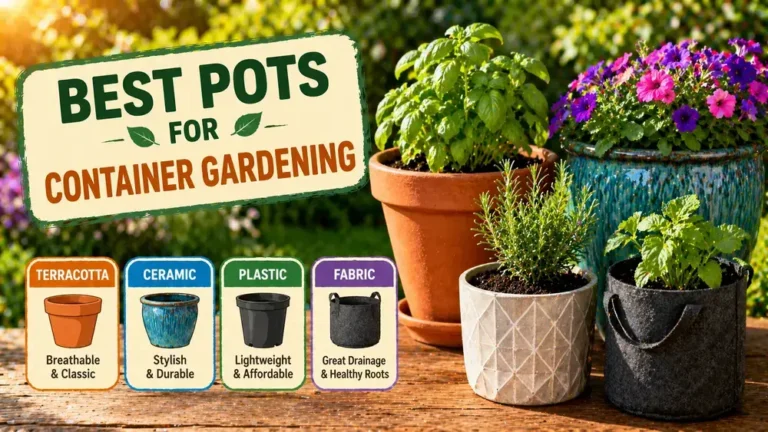
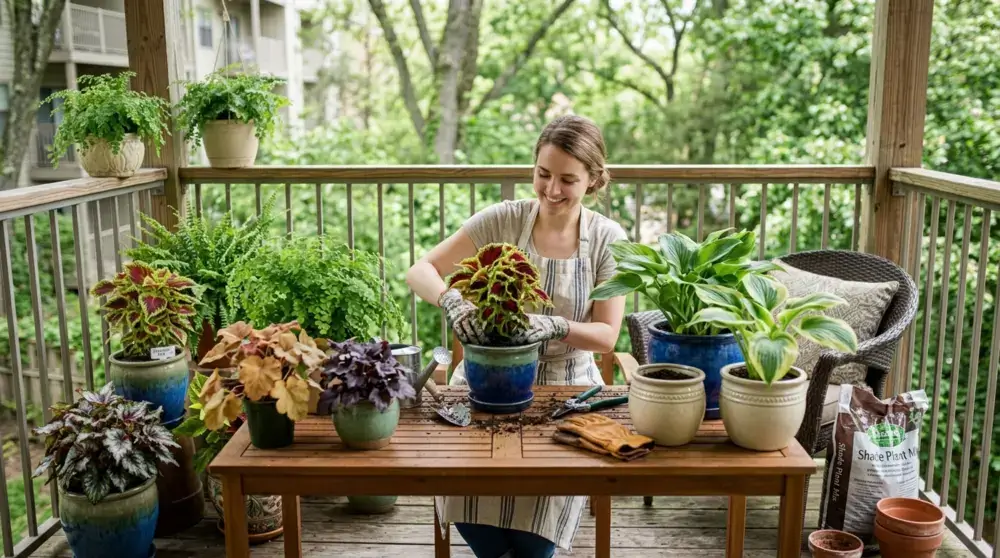
Containers play a major role in plant health. Shade plants usually prefer consistent moisture, so container material matters.
Best container choices:
- Ceramic pots for moisture retention
- Plastic pots for lightweight balconies
- Wooden containers for natural insulation
Avoid containers without drainage holes.
Use Quality Potting Mix
Garden soil becomes compacted in containers and may hold too much water. Always use a light, well-draining potting mix.
According to the Michigan State University Extension guide on shaded container gardening, organic matter helps improve moisture balance and root health in shaded pots.
A good mix should contain:
- Compost
- Coconut coir or peat moss
- Perlite for drainage
Water Carefully in Low Light
One of the biggest mistakes beginners make is overwatering shade container plants.
Since shaded areas dry out slower, containers stay moist longer than sunny pots.
Signs of overwatering:
- Yellow leaves
- Soft stems
- Mold on the soil surface
- Root rot smell
Check the top inch of soil before watering.
Fertilizing Shade Container Plants
Even low-light plants need nutrients to stay healthy.
Use:
- Balanced liquid fertilizer every 3–4 weeks
- Slow-release fertilizer during planting
- Compost for natural feeding
Avoid excessive fertilizer because it can cause weak, stretched growth in low-light conditions.
Best Plant Combinations for Shade Containers
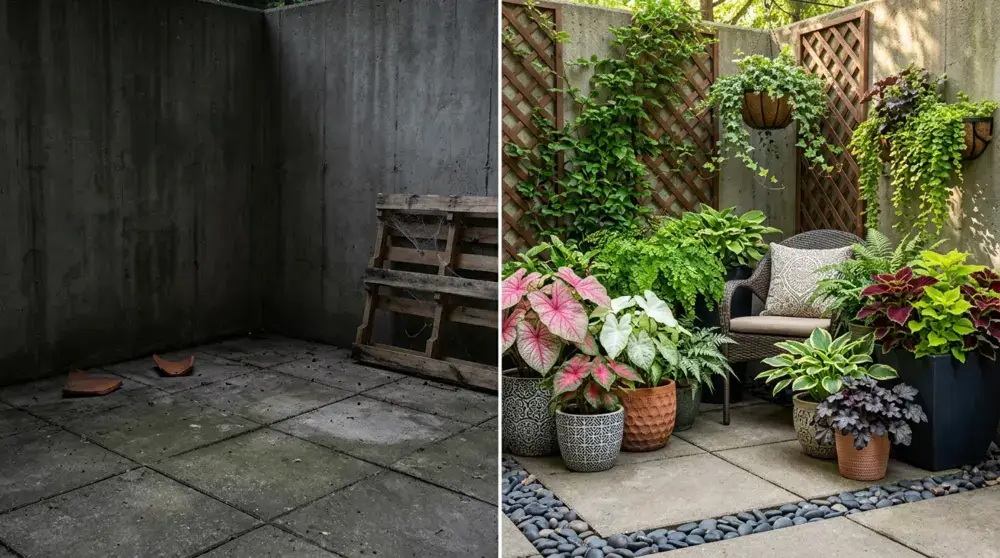
Mixing plants creates fuller, more attractive containers.
Here are some beginner-friendly combinations:
| Thriller Plant | Filler Plant | Trailing Plant |
|---|---|---|
| Coleus | Heuchera | Ivy |
| Caladium | Begonia | Creeping Jenny |
| Fern | Impatiens | Sweet Potato Vine |
The Proven Winners shade container guide provides excellent examples of combining foliage and flowering plants successfully.
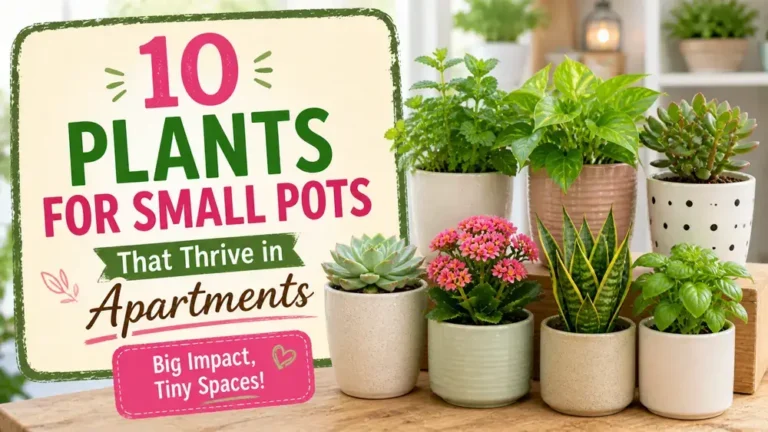
Indoor Shade Plants for Containers
Not all shade gardening happens outdoors. Many plants also thrive indoors near windows with indirect light.
Top indoor shade plants:
- Snake plant
- ZZ plant
- Peace lily
- Pothos
- Chinese evergreen
These plants are ideal for apartments, offices, and darker indoor spaces.
Common Mistakes to Avoid
Using Full-Sun Plants in Shade
Plants that need heavy sunlight often become weak and leggy in low-light conditions.
Always check plant labels before buying.
Overcrowding Containers
Too many plants reduce airflow and increase disease problems.
Leave enough room for growth and air circulation.
Ignoring Humidity Needs
Some indoor shade plants prefer higher humidity levels.
You can improve humidity by:
- Grouping plants together
- Using pebble trays
- Mist spraying occasionally
Poor Drainage
Standing water is one of the fastest ways to damage container plants.
Always ensure:
- Drainage holes remain open
- Excess water can escape freely
Low-Maintenance Shade Plants for Busy Gardeners
If you prefer easy-care plants, focus on varieties that require little pruning and watering.
Some of the best low-maintenance options include:
- Hostas
- Ferns
- Snake plants
- Pothos
- Heuchera
You can also explore these excellent low-maintenance container plants for more beginner-friendly ideas.
How to Keep Shade Containers Looking Attractive
Shaded containers can sometimes appear dull without proper design.
Simple ways to improve appearance:
- Mix leaf textures
- Combine different shades of green
- Add colorful foliage plants
- Use decorative pots
- Include trailing plants for fullness
The design experts at Garden Design recommend layering plant heights to create depth and visual balance in shaded containers.
Seasonal Care Tips for Shade Container Plants
Spring
- Refresh potting soil
- Divide crowded plants
- Start fertilizing lightly
Summer
- Monitor moisture levels
- Protect plants from extreme heat
- Remove dead leaves regularly
Autumn
- Reduce watering frequency
- Bring sensitive plants indoors
- Trim damaged foliage
Winter
- Protect roots from frost
- Avoid heavy watering
- Move containers away from cold winds
Conclusion
Growing shade container plants is one of the easiest ways to brighten dark patios, balconies, and indoor spaces. With the right plant selection, proper watering habits, and quality containers, even beginners can create beautiful low-light gardens that stay healthy throughout the year.
Start with simple plants like coleus, ferns, or begonias, then experiment with combinations that match your space and style. Small shaded areas often become the most peaceful and attractive parts of a home garden.
Ready to build your own shade container garden? Start with beginner-friendly plants and experiment with different textures and colors. You can also explore our guides on container gardening for beginners, low-maintenance container plants, and how to grow a dark purple coleus plant for more practical gardening tips.
FAQs About Shade Container Plants
1. What are the best shade container plants for beginners?
Some of the easiest shade container plants for beginners include coleus, ferns, begonias, hostas, and caladiums. These plants adapt well to low-light conditions and usually require less maintenance than full-sun plants. Start with one or two varieties in medium-sized pots and place them where they receive indirect light or morning sun for the best results.
2. How often should I water shade container plants?
Shade container plants generally need less water than plants grown in full sun because the soil dries more slowly in shaded areas. Check the top inch of soil before watering. If it still feels moist, wait another day or two. Overwatering is one of the most common problems with low-light container gardening and can lead to root rot.
3. Can shade container plants survive indoors?
Yes, many shade container plants grow very well indoors, especially near bright windows with indirect light. Popular indoor options include pothos, peace lilies, snake plants, and ferns. Choose containers with proper drainage and rotate the pots every few weeks so the plants grow evenly and stay healthy.
4. What type of soil is best for shade container plants?
The best soil for shade container plants is a loose, well-draining potting mix that holds moisture without becoming soggy. A mix containing compost, coco coir, and perlite works well for most low-light plants. Avoid using heavy garden soil because it compacts easily in containers and can damage plant roots over time.
5. Why are my shade container plants turning yellow?
Yellow leaves on shade container plants are often caused by overwatering, poor drainage, or insufficient airflow around the roots. Move the container to a brighter shaded area and check whether excess water drains properly after watering. Removing damaged leaves and allowing the soil to dry slightly can often help the plant recover quickly.