
Why Container Plants Are Dying: 7 Causes & Fixes
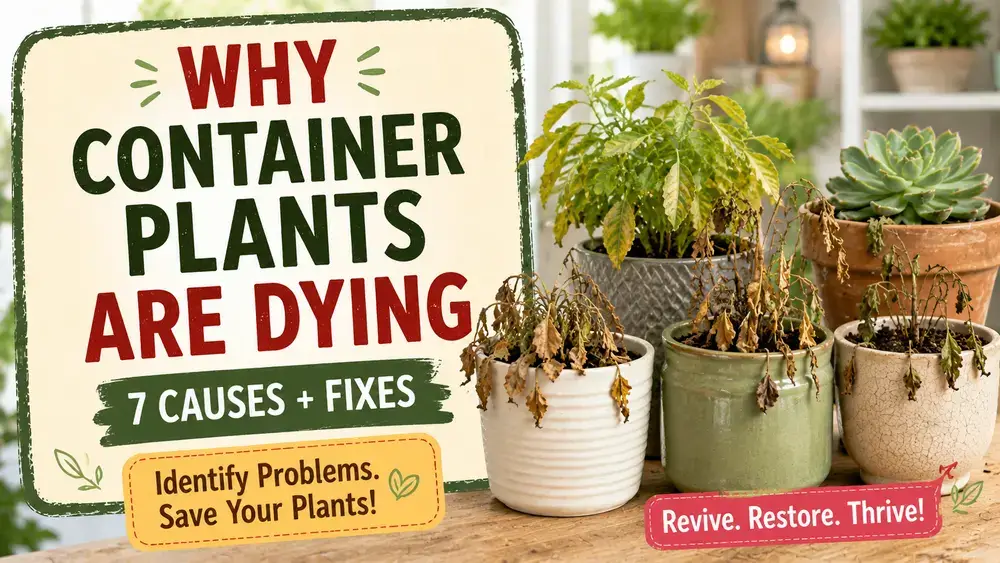
Have you ever watched a healthy-looking potted plant suddenly turn yellow, wilt, or stop growing? You are not alone. One of the most common frustrations among gardeners is figuring out why container plants are dying despite regular care.
Container gardening offers flexibility and allows people to grow flowers, herbs, vegetables, and fruits in small spaces. However, plants growing in pots depend entirely on you for water, nutrients, drainage, and growing conditions. Even a small mistake can quickly affect plant health.
In this guide, you’ll learn the seven most common reasons why container plants fail, how to identify the warning signs, and the practical steps you can take to revive struggling plants and prevent future problems.
Quick Answer
If you’re wondering why container plants are dying, the most common causes are overwatering, poor drainage, low-quality soil, nutrient deficiencies, improper sunlight, pest infestations, and containers that are too small. Identifying the specific problem early and applying the correct fix can often save the plant before permanent damage occurs.
Understanding the Basics of Container Gardening
Container gardening differs from traditional in-ground gardening because plants have limited access to soil, moisture, and nutrients. While this makes gardening possible in patios, balconies, and small yards, it also means plants rely heavily on proper care.
Healthy container plants require:
- Well-draining potting mix
- Appropriate watering
- Adequate sunlight
- Proper nutrition
- Sufficient root space
- Good air circulation
When one of these elements is missing, plants begin showing signs of stress.
Common Signs of Unhealthy Potted Plants
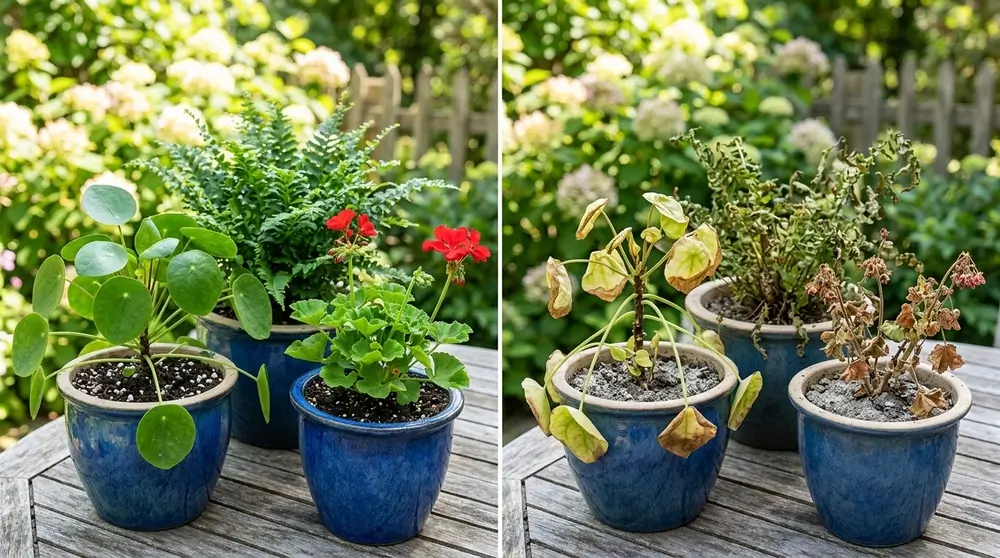
Before identifying the exact cause, look for these common signs of unhealthy potted plants:
- Yellow leaves
- Wilting despite watering
- Brown leaf edges
- Stunted growth
- Dropping leaves or flowers
- Soft or black roots
- Mold on soil surface
- Poor flowering or fruit production
The earlier you notice these symptoms, the easier it is to correct the problem.
7 Common Reasons Your Container Plants Are Dying
1. Overwatering
Overwatering is the number one cause of dying container plants.
Many gardeners assume a struggling plant needs more water. Unfortunately, too much water fills air spaces in the soil and prevents roots from getting oxygen.
Symptoms of Overwatered Container Plants
- Yellowing leaves
- Wilting despite wet soil
- Mushy stems
- Foul-smelling soil
- Slow growth
How to Fix It
- Allow the soil to partially dry before watering again.
- Remove standing water from saucers.
- Check that drainage holes are not blocked.
- Repot the plant if root damage is severe.
If you’re unsure about proper watering schedules, read our guide on how often to water container plants.
2. Poor Drainage
Even if you water correctly, poor drainage can create waterlogged conditions.
Containers without sufficient drainage holes trap excess moisture around the roots. According to the University of Illinois Extension’s guide to container drainage options, proper drainage is essential for healthy root development and preventing moisture-related diseases.
Symptoms
- Constantly wet soil
- Root rot
- Yellow leaves
- Fungus growth
How to Fix It
- Use containers with multiple drainage holes.
- Elevate pots slightly above the ground.
- Avoid using decorative containers without drainage.
- Replace compacted soil.
3. Container Plant Root Rot
Root rot often develops after prolonged overwatering or drainage problems.
This fungal condition attacks roots, preventing them from absorbing water and nutrients.
Symptoms
| Healthy Roots | Root Rot |
|---|---|
| White and firm | Brown or black |
| Fresh smell | Rotten odor |
| Strong growth | Wilting and decline |
How to Fix It
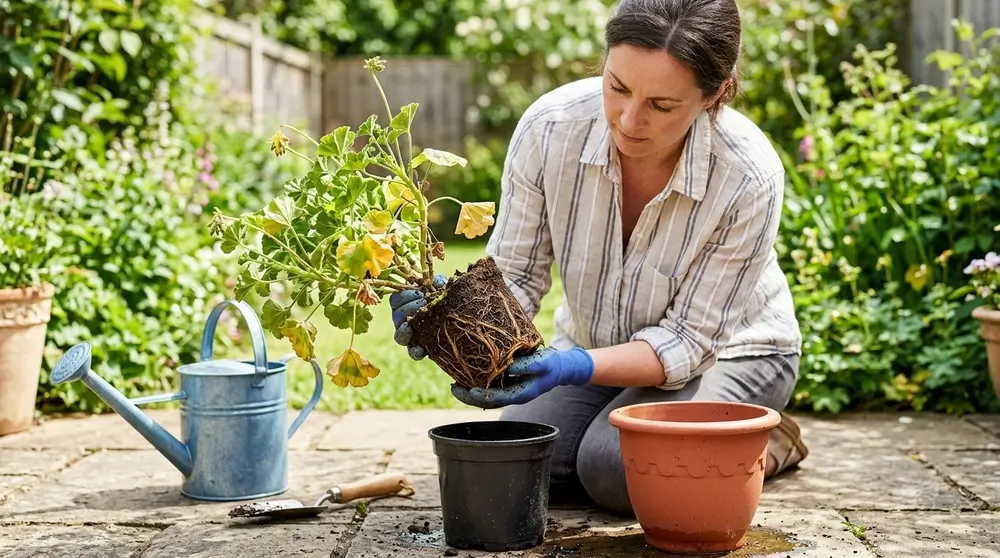
- Remove the plant from the container.
- Trim damaged roots using clean scissors.
- Repot in fresh potting mix.
- Improve drainage and watering habits.
Early treatment gives plants the best chance of recovery.
4. Using the Wrong Soil
Many beginners use garden soil in containers, which often becomes compacted and drains poorly.
Container plants perform best in lightweight potting mixes specifically designed for potted growing.
The University of Maryland Extension’s growing media guide explains why proper potting media plays a critical role in container plant health.
Symptoms
- Poor growth
- Water pooling on the surface
- Compact soil
- Weak root development
How to Fix It
- Use a high-quality potting mix.
- Refresh container soil annually.
- Add compost or organic matter when appropriate.
For detailed recommendations, check out our guide to the best soil for container gardening.
5. Nutrient Deficiencies
Plants growing in containers use nutrients faster than those growing in the ground.
Frequent watering also washes nutrients out of the potting mix.
Symptoms
- Pale leaves
- Slow growth
- Small flowers
- Reduced harvests
How to Fix It
- Apply balanced liquid fertilizer every few weeks.
- Use slow-release fertilizer during planting.
- Follow fertilizer label instructions carefully.
Avoid over-fertilizing, which can damage roots and cause salt buildup.
6. Incorrect Sunlight Exposure
Different plants have different sunlight requirements.
A tomato plant placed in shade will struggle, while shade-loving plants may burn in intense afternoon sun.
Symptoms
Too Little Sunlight
- Leggy growth
- Few flowers
- Pale leaves
Too Much Sunlight
- Scorched leaves
- Dry soil
- Leaf curling
How to Fix It
Match plants with their sunlight needs:
| Sun Requirement | Hours of Sunlight |
| Full Sun | 6-8+ hours |
| Partial Sun | 4-6 hours |
| Shade | Less than 4 hours |
Monitor sunlight patterns throughout the day and move containers if needed.
7. Pests and Diseases
Many container gardening problems result from insects or plant diseases.
Common container pests include:
- Aphids
- Spider mites
- Whiteflies
- Mealybugs
- Fungus gnats
Symptoms
- Chewed leaves
- Sticky residue
- Distorted growth
- Spots on foliage
How to Fix It
- Inspect plants weekly.
- Remove heavily affected leaves.
- Spray with insecticidal soap when necessary.
- Improve airflow between containers.
Early intervention prevents small pest issues from becoming major infestations.
How to Revive Dying Potted Plants
If your plant is struggling, follow this step-by-step recovery process:
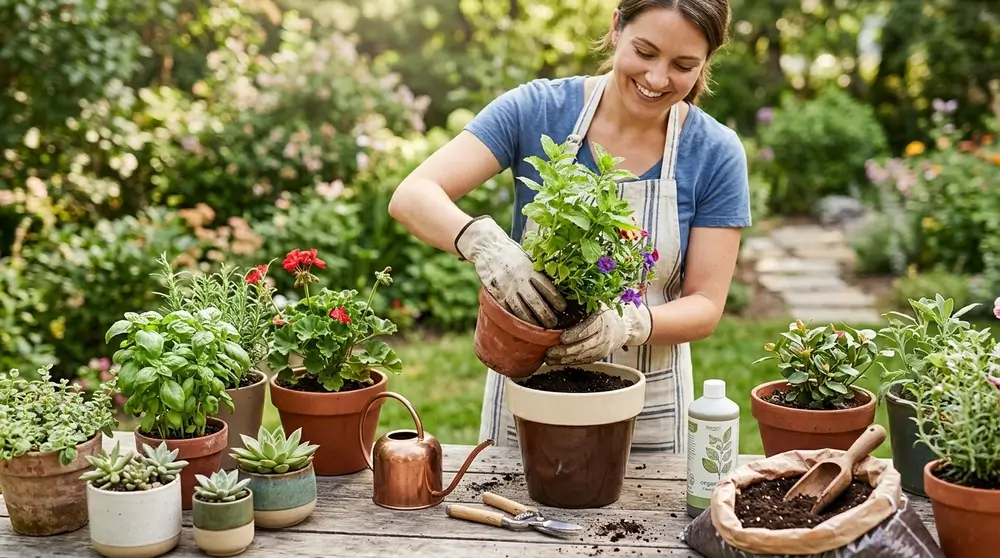
Step 1: Check Soil Moisture
Insert your finger 1-2 inches into the soil.
- Soggy soil indicates overwatering.
- Bone-dry soil indicates underwatering.
Step 2: Inspect the Roots
Remove the plant carefully.
Look for:
- Healthy white roots
- Brown or black damaged roots
- Root-bound conditions
Step 3: Improve Growing Conditions
Adjust:
- Watering schedule
- Sunlight exposure
- Soil quality
- Drainage
Step 4: Prune Damaged Growth
Remove:
- Dead leaves
- Diseased stems
- Damaged flowers
This helps the plant focus energy on healthy growth.
Step 5: Be Patient
Plants often need several weeks to recover.
Continue monitoring progress and avoid making multiple major changes at once.
Container Gardening Mistakes to Avoid
Many plant problems stem from avoidable mistakes.
Avoid:
- Watering on a fixed schedule without checking soil
- Using containers without drainage holes
- Choosing containers that are too small
- Ignoring fertilizer needs
- Overcrowding plants
- Using heavy garden soil
You can learn more in our detailed guide about common container gardening mistakes.
Best Practices for Healthy Container Plants
The Royal Horticultural Society’s guide to growing plants in containers highlights the importance of choosing suitable containers, quality growing media, and proper watering techniques.
For long-term success:
- Select containers with drainage holes.
- Use fresh potting mix.
- Water based on soil moisture, not habit.
- Feed plants regularly.
- Match plants to available sunlight.
- Inspect for pests weekly.
- Repot when roots outgrow the container.
Following these simple practices dramatically reduces the risk of plant failure.
Conclusion
Understanding why container plants are dying is often the first step toward saving them. In most cases, the problem comes down to overwatering, poor drainage, root rot, inadequate soil, nutrient deficiencies, incorrect sunlight, or pest issues.
The good news is that most of these problems can be fixed when caught early. By regularly inspecting your plants, providing proper care, and responding quickly to warning signs, you can enjoy healthier containers and stronger plant growth throughout the season.
Want to become a more successful container gardener?
Explore our guides on choosing the best soil for container gardening, learning how often to water container plants, and avoiding common container gardening mistakes. For more practical gardening tips, subscribe to our newsletter and receive new growing guides delivered directly to your inbox.
FAQs About Why Container Plants Are Dying
1. Why are my container plants dying even though I water them regularly?
One of the most common reasons why container plants are dying is overwatering. Many gardeners water on a schedule instead of checking soil moisture first. Excess water can suffocate roots and lead to root rot. Before watering, stick your finger about an inch into the soil. If it still feels moist, wait another day or two before watering again.
2. How can I tell if my container plant has root rot?
Root rot is a common cause of why container plants are dying. Signs include yellow leaves, wilting despite wet soil, a foul smell coming from the pot, and black or mushy roots. Remove the plant from its container and inspect the roots. Trim damaged roots and repot the plant in fresh, well-draining potting mix to improve its chances of recovery.
3. Can a container be too small for a plant?
Yes, a container that is too small can restrict root growth and prevent plants from absorbing enough water and nutrients. If you notice roots circling around the inside of the pot or growing through drainage holes, the plant may be root-bound. Repotting into a larger container often helps revive growth and improve overall plant health.
4. How do I revive dying potted plants?
To revive dying potted plants, first identify the underlying problem. Check soil moisture, inspect the roots, look for pests, and evaluate sunlight exposure. Remove dead foliage and correct any watering or drainage issues. Once the cause is addressed, most plants gradually recover within a few weeks with consistent care and proper growing conditions.
5. What is the best way to prevent container gardening problems?
Preventing container gardening problems starts with proper planning. Use containers with drainage holes, choose a quality potting mix, provide the correct amount of sunlight, and fertilize regularly. Monitor plants weekly for signs of stress or pests. Consistent observation helps you catch issues early before they become serious enough to cause plant decline.