Container Gardening in Winter: Cold Weather Guide
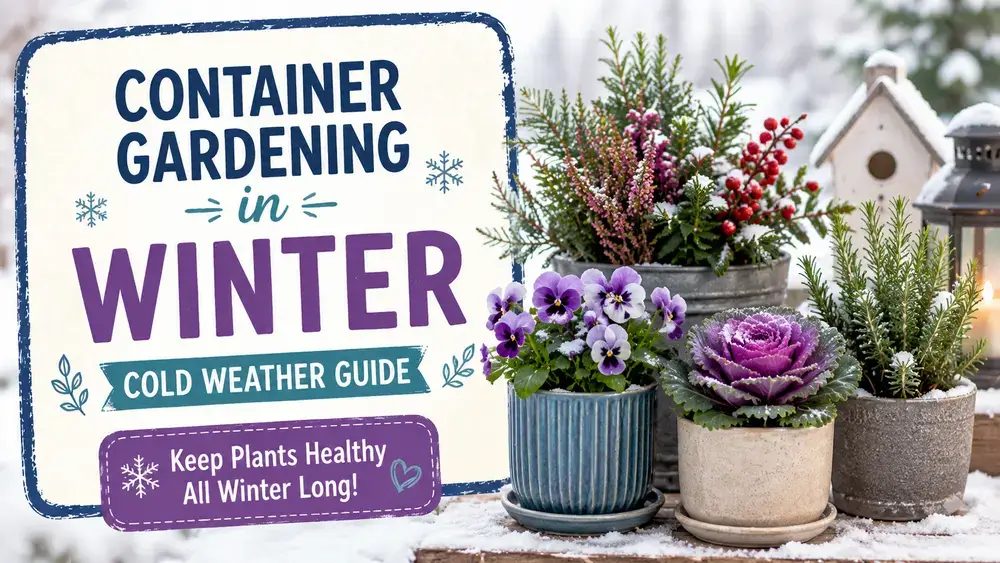
Many gardeners think the growing season ends when temperatures start to drop. In reality, container gardening in winter can still be productive, colorful, and rewarding when you know how to protect your plants from cold weather. Winter containers can grow hardy vegetables, evergreen plants, herbs, and seasonal flowers while adding life to patios, balconies, and small outdoor spaces.
This guide explains how to keep container plants healthy during winter, choose the right pots and soil, prevent frost damage, and care for plants through freezing temperatures. Whether you are new to gardening or trying winter container plants for the first time, you will learn practical methods that actually work in cold conditions.
Quick Answer
Container gardening in winter is possible by choosing cold-hardy plants, protecting roots from freezing temperatures, using proper soil drainage, and reducing watering during cold months. Moving containers to sheltered locations and covering plants during frost can greatly improve winter survival.
Why Container Gardening Gets Harder in Winter
Winter creates several challenges for potted plants because containers expose roots to cold air from every side. In-ground plants stay insulated by surrounding soil, but containers freeze much faster.
Common winter problems include:
- Frozen roots
- Excess moisture and root rot
- Frost damage to leaves
- Dry winter winds
- Temperature swings between day and night
The good news is that simple winter plant care habits can prevent most of these problems.
Understanding the Basics of Container Gardening in Winter
Before starting, it helps to understand what winter container plants need most.
Key Winter Survival Factors
| Factor | Why It Matters |
|---|---|
| Insulated containers | Protects roots from freezing |
| Good drainage | Prevents root rot |
| Cold-hardy plants | Improves survival rate |
| Proper watering | Stops plants from drying out |
| Frost protection | Reduces leaf and stem damage |
If you are completely new to container growing, this beginner guide to container gardening basics explains the fundamentals before moving into winter care.
Best Containers for Cold Weather Gardening
Not all pots survive winter equally well. Thin plastic containers may crack during freezing temperatures, while some materials provide better insulation.
Recommended Container Materials
1. Fiberglass Pots
- Lightweight
- Resistant to cracking
- Good insulation
2. Wood Planters
- Excellent root insulation
- Natural appearance
- Works well for larger plants
3. Heavy Plastic Pots
- Affordable
- Retains warmth better than clay
- Easy to move indoors
Containers to Avoid
- Thin ceramic pots
- Terracotta in freezing climates
- Small shallow containers
Small pots freeze very quickly because they contain less soil around the roots.
Choosing the Right Soil for Winter Containers
Healthy soil is one of the biggest factors in winter survival. Dense soil traps water and increases the risk of frozen roots.
Your potting mix should:
- Drain well
- Hold moderate moisture
- Contain organic matter
- Stay loose during cold weather
A high-quality mix from this guide to the best soil for container gardening can improve drainage and root health during winter.
Winter Soil Tip
Add materials such as:
- Compost
- Coconut coir
- Perlite
- Pine bark fines
These help balance moisture and airflow.
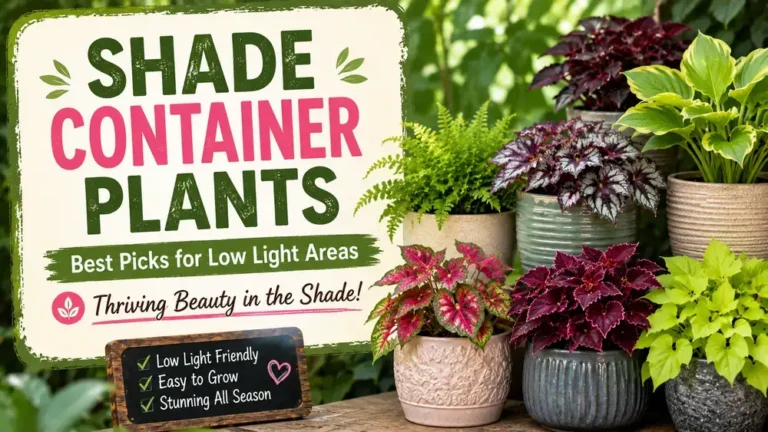
Best Winter Container Plants
Choosing the right plants is essential for successful container gardening in winter.
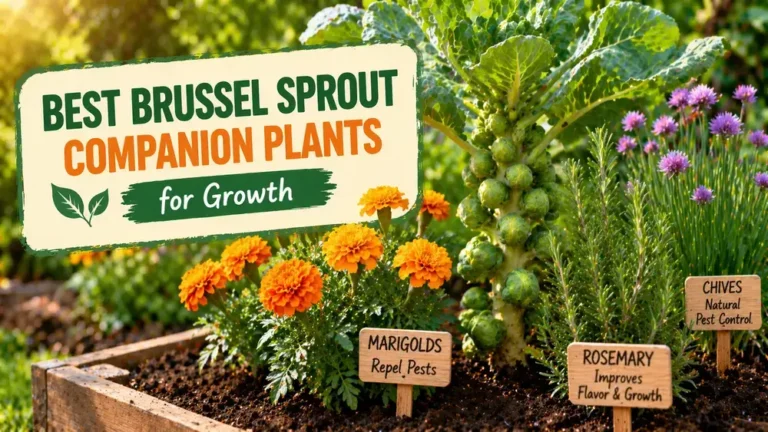
Cold-Hardy Vegetables
These vegetables tolerate frost well:
- Kale
- Spinach
- Swiss chard
- Lettuce
- Green onions
- Brussels sprouts
Hardy Herbs
Some herbs continue growing in cool weather:
- Thyme
- Sage
- Parsley
- Chives
- Rosemary in mild climates
Winter Flowers and Ornamentals
For color during winter:
- Pansies
- Violas
- Cyclamen
- Ornamental cabbage
- Evergreen shrubs
- Heuchera varieties
According to the Clemson Cooperative Extension winter container gardening guide, combining evergreen plants with seasonal flowers creates containers that stay attractive throughout the colder months.
Step-by-Step Guide to Winter Container Gardening
Step 1: Choose a Protected Location
Place containers where they receive:
- Morning sunlight
- Wind protection
- Shelter from heavy rain
Good locations include:
- Near house walls
- Covered patios
- Balconies
- South-facing spaces
Walls absorb daytime heat and release it slowly at night.
Step 2: Group Containers Together
Keeping pots close together helps:
- Retain warmth
- Reduce wind exposure
- Protect roots
Large containers can also shield smaller pots from cold winds.
Step 3: Add Mulch for Insulation
Mulch acts like a blanket for roots.
Good winter mulch materials:
- Straw
- Pine needles
- Bark mulch
- Shredded leaves
Apply 2 to 3 inches on top of the soil.
Step 4: Water Carefully
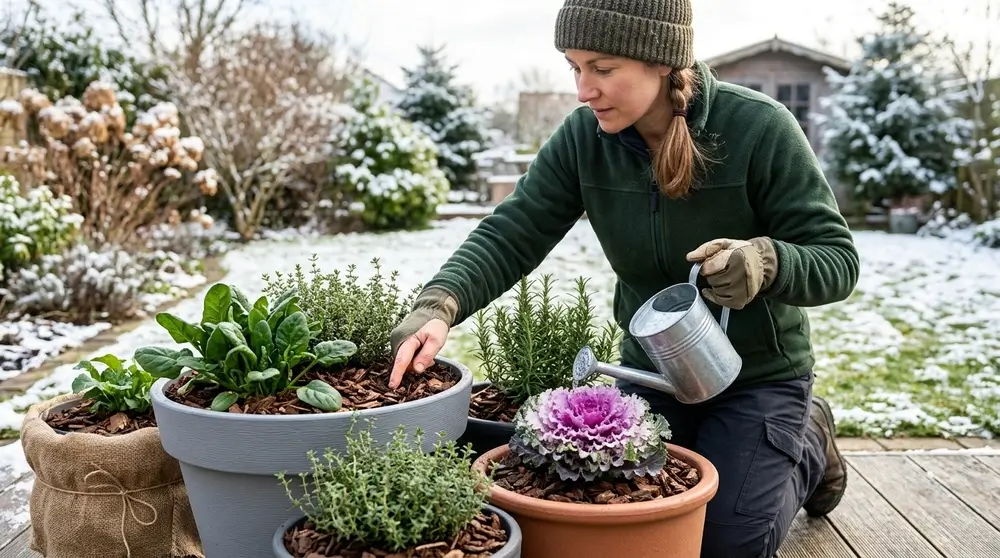
Many gardeners overwater during winter. Plants use less moisture in cold weather, so wet soil stays cold longer.
Signs of overwatering:
- Yellow leaves
- Mushy stems
- Mold growth
- Root rot smell
This detailed guide on how often to water container plants can help beginners avoid watering mistakes.
Winter Watering Rule
Water only when:
- The top inch of soil feels dry
- Temperatures are above freezing
- Soil is not frozen
Morning watering works best because excess moisture can evaporate before nighttime temperatures drop.
Step 5: Protect Plants During Frost
Frost protection plants strategies are important when temperatures suddenly fall.
Simple Frost Protection Methods
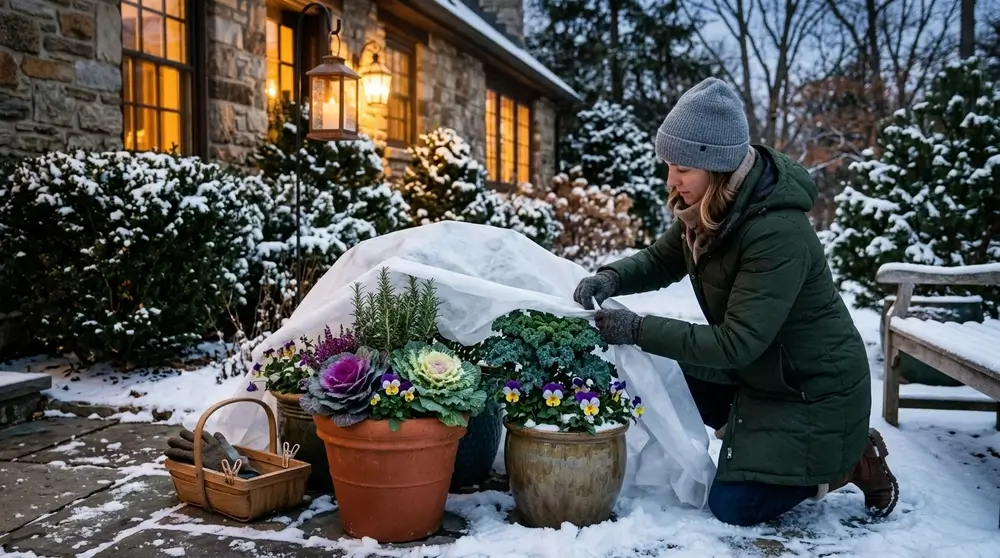
Cover Plants Overnight
Use:
- Frost cloths
- Old bedsheets
- Burlap
- Garden fabric
Avoid plastic touching leaves directly because it can trap freezing moisture.
Move Portable Pots Indoors
Small containers can temporarily move into:
- Garages
- Sheds
- Covered porches
Raise Pots Off the Ground
Cold concrete freezes roots faster.
Use:
- Pot feet
- Wood blocks
- Bricks
The Penn State Extension guide on overwintering plants in containers explains how elevated containers reduce freeze damage and improve drainage.
Common Winter Container Gardening Mistakes
Even experienced gardeners make winter mistakes. Avoiding these problems can save your plants.
1. Using Containers That Are Too Small
Small pots freeze rapidly and dry out faster.
2. Fertilizing Too Much
Most plants grow slowly during winter. Heavy fertilizer can stress roots.
3. Ignoring Drainage
Standing water freezes and damages roots.
4. Bringing Outdoor Pests Indoors
Inspect plants before moving them inside temporarily.
5. Watering at Night
Cold nighttime temperatures can freeze wet soil.
Winter Plant Care for Different Climates
Mild Winter Regions
In warmer climates:
- Most herbs survive outdoors
- Leafy greens grow well
- Less frost protection is needed
Cold Snowy Regions
In freezing climates:
- Use insulated containers
- Choose hardy perennials
- Move sensitive plants indoors
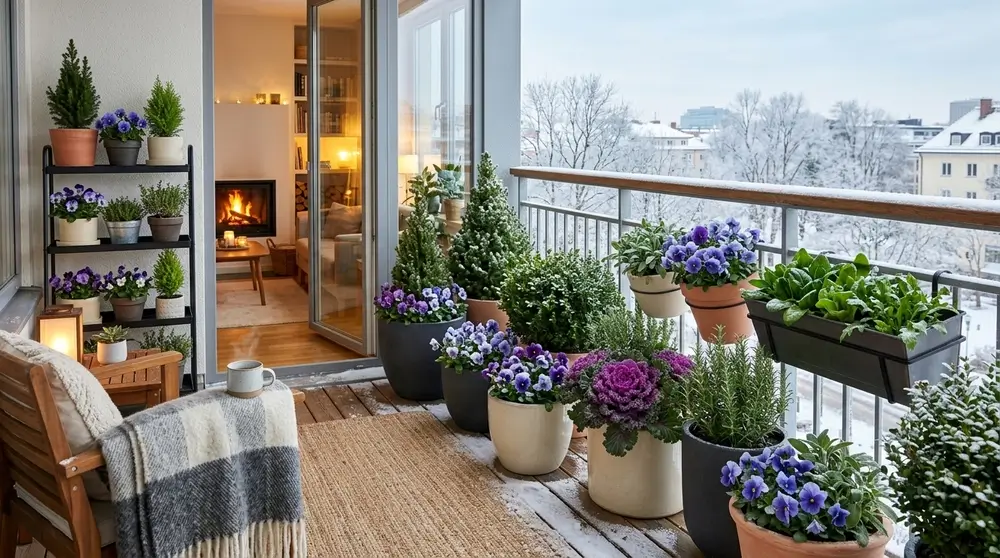
Apartment Balcony Gardens
Balcony gardens often face strong winds.
Helpful strategies:
- Use wind barriers
- Keep containers close to walls
- Avoid exposed railings
Can You Grow Food in Winter Containers?
Yes. Many edible plants actually prefer cool temperatures.
Best Edibles for Winter Containers
| Plant | Cold Tolerance | Container Size |
|---|---|---|
| Kale | Very high | Medium |
| Spinach | High | Small |
| Lettuce | Moderate | Small |
| Carrots | Moderate | Deep container |
| Garlic | High | Medium |
| Green onions | High | Small |
Leafy greens often taste sweeter after light frost exposure.
How to Prepare Containers Before Winter Arrives
Preparation is easier than emergency frost protection later.
Autumn Preparation Checklist
- Remove dead plants
- Refresh potting mix
- Clean containers
- Check drainage holes
- Add mulch
- Inspect for pests
This early preparation helps prevent disease during damp winter weather.
Decorative Winter Containers
Winter containers do not need to look dull.
Design Ideas
Combine:
- Evergreen shrubs
- Red berries
- Ornamental cabbage
- Winter flowers
- Decorative branches
The winter display examples from Fine Gardening’s winter container ideas show how containers can stay attractive even in snowy conditions.
Indoor vs Outdoor Wintering
Some plants survive better indoors during winter.
Plants Better Indoors
- Tropical herbs
- Citrus plants
- Succulents
- Tender flowers
Plants Better Outdoors
- Kale
- Evergreen shrubs
- Hardy perennials
- Pansies
Moving plants repeatedly between warm and cold conditions can stress them, so avoid unnecessary relocation.
Beginner Cold Weather Gardening Tips
These simple cold weather gardening tips can improve your success quickly:
- Start with hardy plants first
- Use larger containers when possible
- Check weather forecasts regularly
- Avoid pruning before severe frost
- Rotate pots for even sunlight
- Remove dead leaves immediately
Small changes often make the biggest difference during winter.
Conclusion
Container gardening in winter is easier than many beginners expect. With the right containers, cold-hardy plants, proper watering, and basic frost protection, your garden can stay healthy throughout the colder months. Winter containers not only protect your gardening hobby during the off-season but also add greenery and color when outdoor spaces usually look empty.
Start with a few hardy plants, monitor weather conditions carefully, and adjust your care routine as temperatures change. Over time, you will learn which plants thrive best in your climate and how to protect them during harsh weather.
Ready to improve your container garden year-round? Explore our guides on container gardening for beginners, learn about the best soil for container gardening, and discover how often to water container plants for healthier plants in every season.
FAQs About Container Gardening in Winter
1. Can container plants survive freezing temperatures in winter?
Yes, many plants can survive freezing weather with proper winter care. In container gardening in winter, the biggest risk is frozen roots because pots get colder faster than garden soil. Use larger containers, add mulch on top of the soil, and move pots near walls or sheltered areas during extreme cold. Hardy plants like kale, pansies, and evergreen shrubs usually tolerate winter conditions better than tender plants.
2. How often should I water container plants during winter?
Most container plants need less water during cold months because growth slows down. In container gardening in winter, overwatering is more dangerous than underwatering since wet soil can freeze and damage roots. Check the top inch of soil before watering. If it still feels moist, wait another day or two. Water during the morning when temperatures are above freezing.
3. What are the best plants for winter container gardening?
Some of the best winter container plants include kale, spinach, ornamental cabbage, pansies, thyme, and evergreen shrubs. These plants handle cool temperatures well and continue looking attractive through winter. For successful container gardening in winter, choose plants labeled as frost-tolerant or cold-hardy for your local climate zone. Mixing flowers with evergreens can also keep containers colorful during colder months.
4. How can I protect container plants from frost damage?
Simple frost protection methods can make a huge difference during cold nights. Cover plants with frost cloth, burlap, or old bedsheets before temperatures drop. In container gardening in winter, placing pots close together also helps hold warmth. Raise containers off cold concrete using bricks or pot feet to reduce root freezing. Small portable pots can be moved into a garage or covered patio overnight.
5. Is winter container gardening good for beginners?
Yes, winter gardening can actually be beginner-friendly because many cold-weather plants require less maintenance than summer crops. Container gardening in winter teaches important skills like watering control, frost protection, and seasonal plant care. Start with easy plants such as lettuce, kale, or pansies in larger containers with good drainage. Once you learn how winter conditions affect plants, managing containers becomes much easier.