10 Plants for Small Pots That Thrive in Apartments
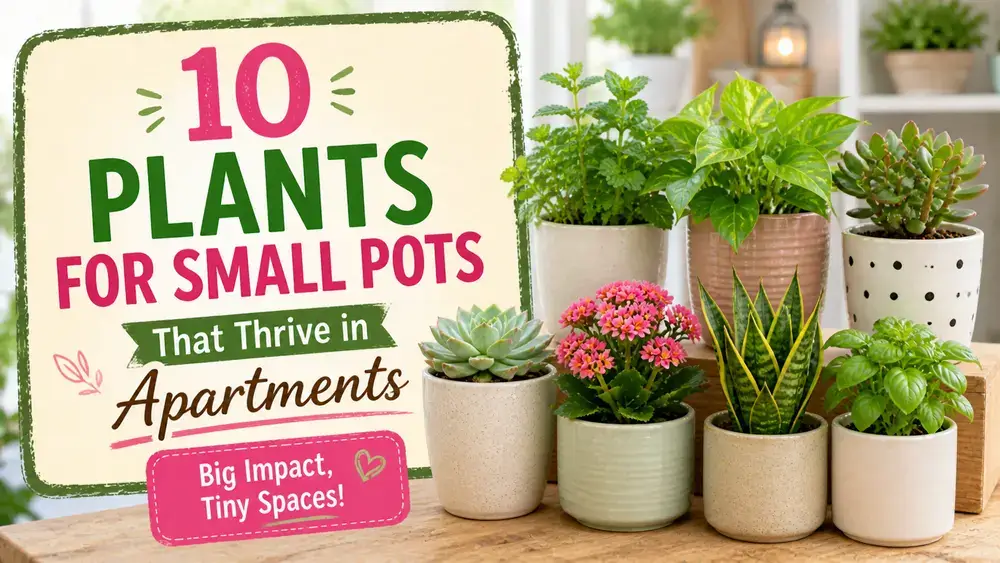
Living in a small apartment should not stop you from enjoying greenery. With the right plants for small pots, you can turn even a tiny balcony, windowsill, or corner into a healthy, vibrant space. The key is choosing compact plants that adapt well to limited soil and space.
In this guide, you will learn which plants grow best in small containers, how to care for them, and how to avoid common beginner mistakes. Whether you are starting your first indoor garden or looking for better small container plants, this article will give you practical steps and real solutions you can follow.
Quick Answer
The best plants for small pots are compact, shallow-rooted, and low-maintenance. Herbs like basil and mint, houseplants like succulents and snake plants, and small flowering plants all perform well in limited space with proper care.
Basics of Container Gardening for Small Spaces
Container gardening is ideal for apartments because it allows you to control soil, water, and placement. You do not need a backyard. A windowsill or balcony is enough.
If you are new, start with this beginner-friendly guide on container gardening for beginners, which explains the essentials in simple steps.
What Makes a Plant Suitable for Small Pots?
Not every plant will grow well in a small container. Look for these traits:
- Compact or slow-growing roots
- Tolerance to limited soil
- Low to moderate water needs
- Ability to thrive indoors or in partial sunlight
According to the Royal Horticultural Society’s guide to growing plants in containers, matching plant size with container size is one of the most important factors for success.
Choosing the Right Pot
Your pot matters as much as the plant.
- Use pots with drainage holes
- Choose lightweight containers for balconies
- Match pot depth to plant roots
If you need help selecting containers, this guide on choosing the best pots for container gardening can save you from common mistakes.
Step-by-Step Guide to Starting a Small Pot Garden
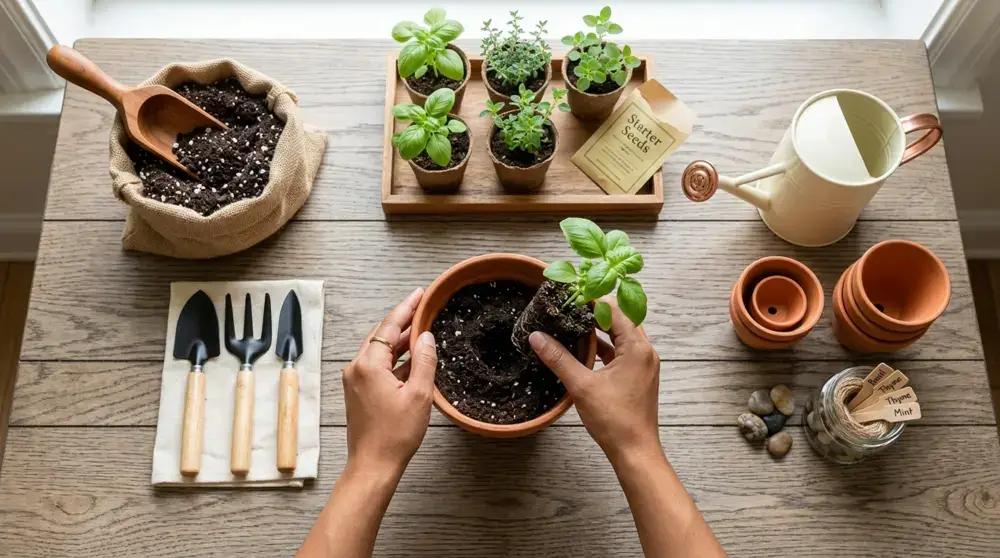
Step 1: Pick the Right Location
- South-facing windows give the most light
- East-facing areas are good for herbs
- Balconies work well for flowering plants
Step 2: Use Quality Potting Mix
Do not use garden soil. Instead, use a light, well-draining mix.
The Oregon State University container gardening basics explains why proper soil structure improves root health and prevents compaction.
Step 3: Water Properly
Small pots dry out faster than large containers.
- Check soil daily
- Water when the top inch feels dry
- Avoid overwatering
Step 4: Feed Your Plants
Nutrients run out quickly in small pots.
- Use liquid fertilizer every 2–3 weeks
- Avoid overfeeding
Step 5: Rotate and Maintain
- Rotate pots for even sunlight
- Remove dead leaves
- Repot when roots outgrow the container
10 Best Plants for Small Pots
Here are carefully selected compact plants for pots that perform well in apartments.
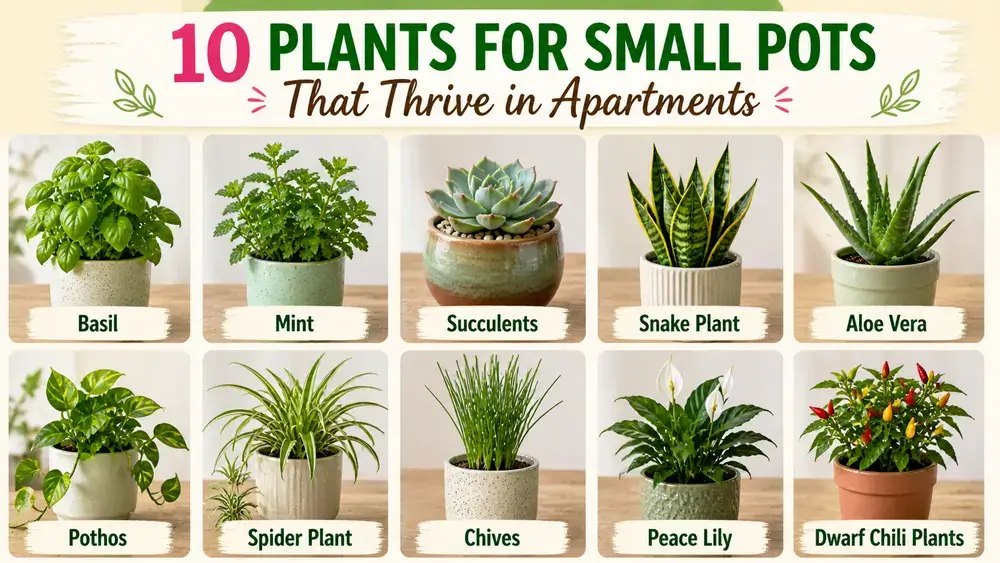
1. Basil
A fast-growing herb that fits perfectly in small containers.
- Needs sunlight
- Regular harvesting encourages growth
- Great for kitchen windows
2. Mint
One of the easiest indoor small plants to grow.
- Thrives in small pots
- Spreads quickly, so containers help control it
- Prefers partial shade
3. Succulents
Ideal for beginners with limited time.
- Store water in leaves
- Require minimal watering
- Perfect for desks and shelves
4. Snake Plant
A tough, low-maintenance plant.
- Tolerates low light
- Needs very little water
- Great for bedrooms and offices
5. Aloe Vera
Both decorative and useful.
- Requires bright light
- Needs well-draining soil
- Leaves can be used for skin care
6. Pothos
A trailing plant that works well in small spaces.
- Grows in low to bright light
- Can be placed on shelves or hung
- Very forgiving
7. Spider Plant
Perfect for beginners.
- Produces small offshoots
- Adapts to various light conditions
- Looks great in hanging pots
8. Chives
A compact herb for small containers.
- Needs moderate sunlight
- Easy to harvest
- Adds fresh flavor to meals
9. Peace Lily
Adds elegance to indoor spaces.
- Thrives in low light
- Indicates water needs by drooping
- Produces white flowers
10. Dwarf Chili Plants
Great for small balconies.
- Needs sunlight
- Produces edible chilies
- Compact growth habit
According to the USDA container gardening advice, selecting plants suited to container life improves growth and reduces maintenance.
Best Plants by Space Type
| Space Type | Recommended Plants |
|---|---|
| Windowsill | Basil, Chives, Succulents |
| Balcony | Chili, Mint, Spider Plant |
| Low-light room | Snake Plant, Peace Lily |
| Hanging baskets | Pothos, Spider Plant |
Beginner Tips for Success
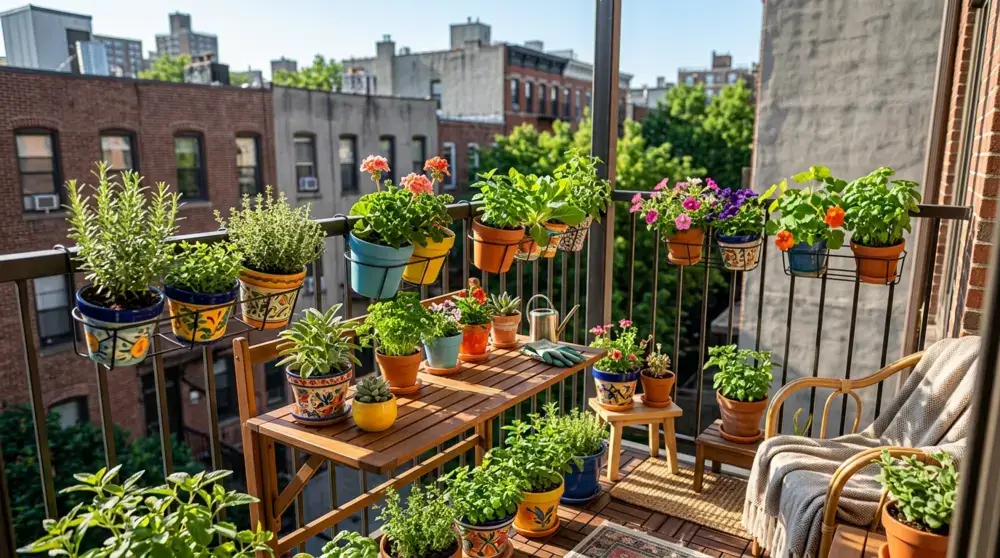
If you want your balcony plant ideas to succeed, follow these practical tips:
- Start with 2–3 plants, not too many
- Choose low-maintenance varieties
- Use saucers to protect indoor surfaces
- Keep tools simple and minimal
- Observe plants regularly
If you prefer easy-care options, explore these low-maintenance container plants to reduce effort.
Common Mistakes to Avoid
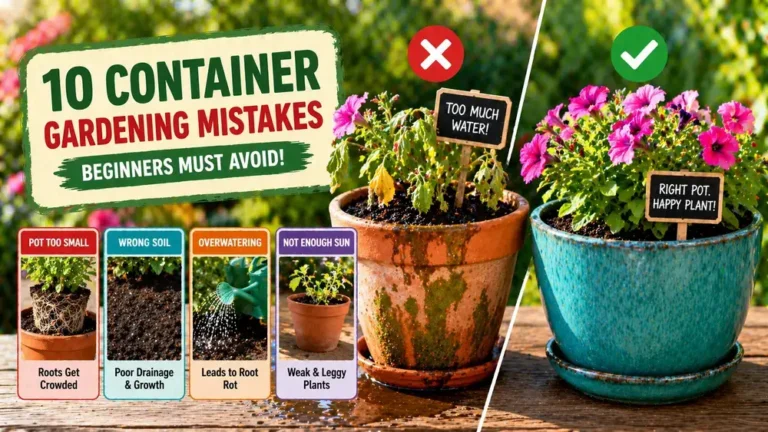
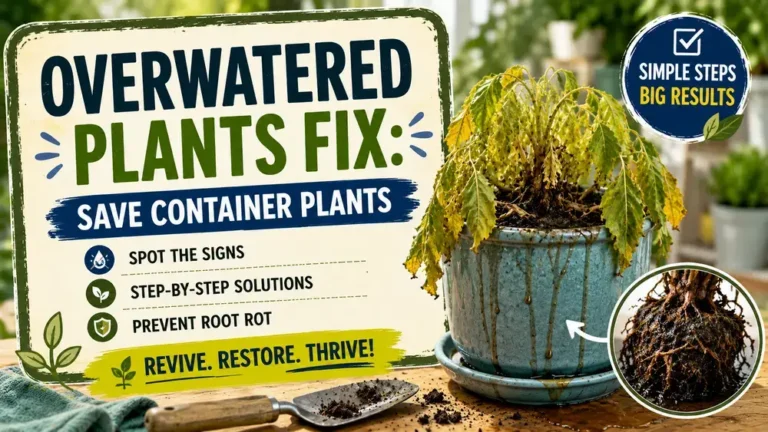
Overwatering
This is the most common issue.
- Leads to root rot
- Always check soil before watering
Using the Wrong Soil
Heavy soil suffocates roots.
- Always use potting mix
Ignoring Light Needs
Each plant has different light requirements.
- Match plant to location
Choosing Oversized Plants
Large plants struggle in small pots.
- Always choose compact varieties
Skipping Drainage
No drainage means water buildup.
- Always use pots with holes
Conclusion
Growing plants for small pots is one of the easiest ways to bring life into an apartment. You do not need much space, expensive tools, or expert skills. With the right plant choices, proper watering, and a little attention, you can build a thriving indoor garden.
Start small, learn as you go, and expand your collection over time. Even a few well-chosen plants can transform your living space.
Ready to grow your own apartment garden? Start by learning the basics with our guide on container gardening and explore more plant ideas to build your perfect indoor setup. Stay connected for more practical gardening tips designed for small spaces.
FAQs About Plants for Small Pots
1. What are the easiest plants for small pots in apartments?
The easiest plants for small pots include succulents, snake plants, pothos, and herbs like mint or basil. These plants adapt well to limited soil and require minimal care. Start with one or two varieties and place them near a bright window. If you are busy, choose drought-tolerant options like succulents since they need less frequent watering.
2. How often should I water plants for small pots?
Plants for small pots usually need more frequent watering because the soil dries out faster. Check the top inch of soil daily and water only when it feels dry. Avoid watering on a fixed schedule. Instead, observe your plant’s condition. Overwatering is a common mistake, so ensure your pot has proper drainage to prevent root rot.
3. Can I grow vegetables in small pots indoors?
Yes, many vegetables grow well as plants for small pots, especially compact varieties like chili peppers, lettuce, and herbs. Choose dwarf or container-friendly types and place them where they receive at least 4 to 6 hours of sunlight. Use nutrient-rich potting mix and feed regularly, since small pots lose nutrients faster than larger containers.
4. What size pot is best for small indoor plants?
For most plants for small pots, a container between 10 to 20 cm in diameter works well. The key is matching the pot size to the plant’s root system. Too small will restrict growth, while too large can cause water retention problems. Always choose pots with drainage holes and repot when roots start crowding the container.
5. How do I keep plants for small pots healthy in apartments?
To keep plants for small pots healthy, focus on three basics: light, water, and airflow. Place them near windows for natural light, rotate them weekly, and avoid overcrowding. Clean leaves occasionally to remove dust and improve photosynthesis. Feeding with a light liquid fertilizer every few weeks will also support steady growth in limited soil.