Container Gardening in Florida: Beginner Monthly Guide
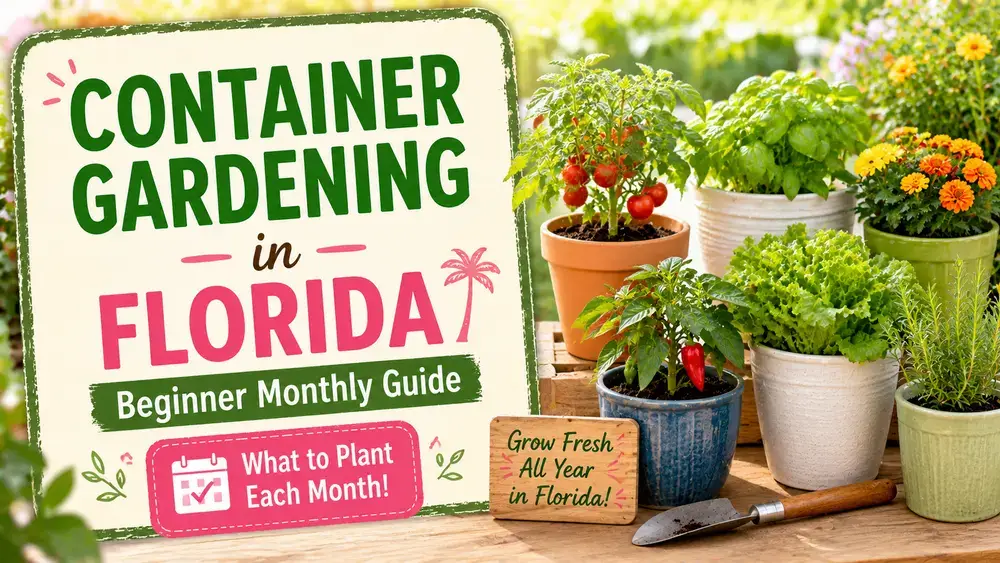
Starting a garden in Florida can feel confusing for beginners. The weather changes quickly, summers are intense, and many plants struggle in the heat if they are planted at the wrong time. That is why container gardening in Florida has become one of the easiest and most practical ways to grow vegetables, herbs, flowers, and fruits at home.
Container gardens are flexible, simple to maintain, and perfect for patios, balconies, and small backyards. You can move plants away from heavy rain, protect them from extreme heat, and control soil quality much more easily than with traditional garden beds.
In this guide, you will learn how to start a container garden in Florida month by month, which plants grow best during each season, beginner mistakes to avoid, and practical Florida gardening tips that actually work in hot climates.
Quick Answer
Container gardening in Florida works best when you follow the seasonal planting schedule and choose heat-tolerant plants suited to Florida’s climate. Beginners should use quality potting soil, water consistently, and grow crops according to the month to avoid problems caused by heat, humidity, and pests.
Why Container Gardening Works Well in Florida
Florida’s climate creates unique gardening challenges. The combination of high humidity, strong sun, sandy soil, and frequent rain can make traditional gardening difficult for beginners.
Containers solve many of these problems because they allow you to:
- Control soil quality
- Move plants during extreme weather
- Improve drainage during rainy months
- Grow plants in small spaces
- Reduce weed growth
- Protect sensitive plants from excessive heat
Container gardening is especially useful for renters, apartment owners, and people with limited yard space.
If you are completely new to growing plants, this beginner’s guide to container gardening in Florida explains the basic setup and beginner essentials in more detail.
Understanding Florida’s Gardening Seasons
One of the biggest mistakes beginners make is treating Florida like other states. In many parts of the country, spring and summer are the main growing seasons. In Florida, extreme summer heat can actually slow down plant growth.
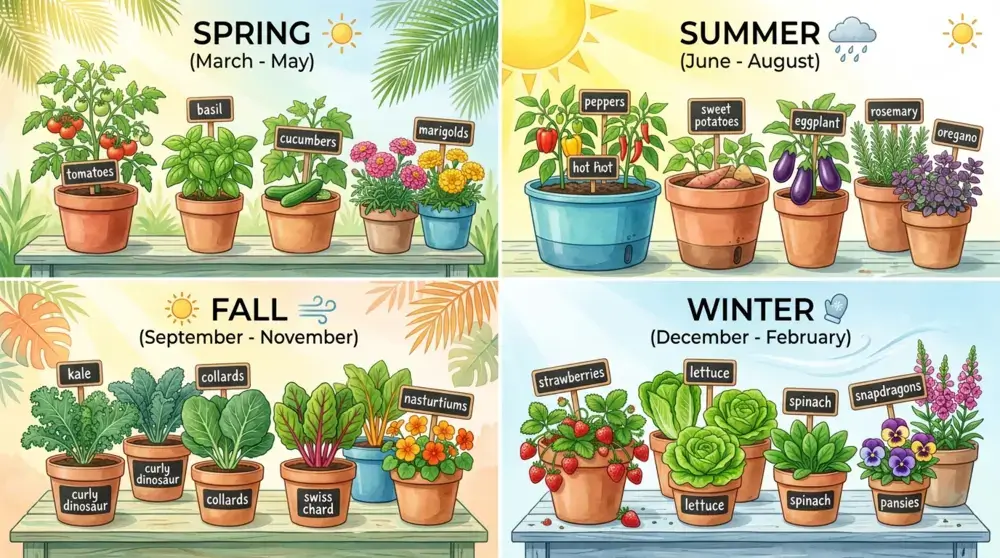
The best gardening periods in Florida are usually:
| Season | Best For | Common Plants |
|---|---|---|
| Fall | Starting vegetables and herbs | Lettuce, spinach, basil |
| Winter | Cool-season crops | Kale, carrots, broccoli |
| Spring | Fast growth before heat | Tomatoes, peppers, cucumbers |
| Summer | Heat-tolerant plants | Okra, sweet potatoes, herbs |
For detailed seasonal recommendations, the UF/IFAS Florida Gardening Calendar is an excellent resource for beginners.
Step-by-Step Guide to Starting a Container Garden
Choose the Right Containers
The container you choose affects plant health more than most beginners realize.
Good container options include:
- Plastic pots for moisture retention
- Fabric grow bags for airflow
- Ceramic pots for decorative patios
- Self-watering containers for hot climates
Make sure every container has drainage holes. Without drainage, roots can rot quickly during Florida’s rainy season.
Larger containers also hold moisture longer, which helps during hot weather.
Use High-Quality Potting Soil
Florida’s native soil is often sandy and lacks nutrients. That is why using a proper potting mix is essential.
Avoid digging soil directly from your yard for containers.
A quality potting mix should include:
- Compost
- Coconut coir or peat moss
- Perlite for drainage
- Organic nutrients
This guide on the best soil for container gardening explains how to choose the right mix for vegetables, flowers, and herbs.
Pick the Right Location
Most vegetables need 6 to 8 hours of sunlight daily. However, during Florida summers, afternoon shade can protect plants from heat stress.
Good locations include:
- Balconies with morning sun
- Patios with partial afternoon shade
- South-facing porches
- Sunny driveways or decks
Watch how sunlight moves across your space before placing containers permanently.
Water Correctly
Watering is one of the hardest parts of gardening in hot climates. Florida containers dry out quickly, especially in summer.
General watering tips:
- Water early in the morning
- Avoid watering during midday heat
- Check soil moisture daily
- Water deeply until the excess drains out
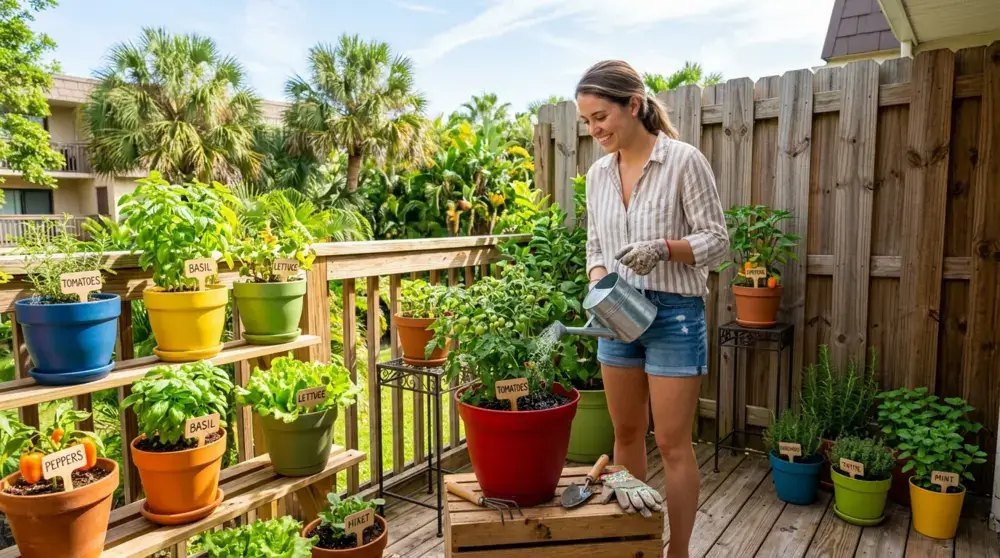
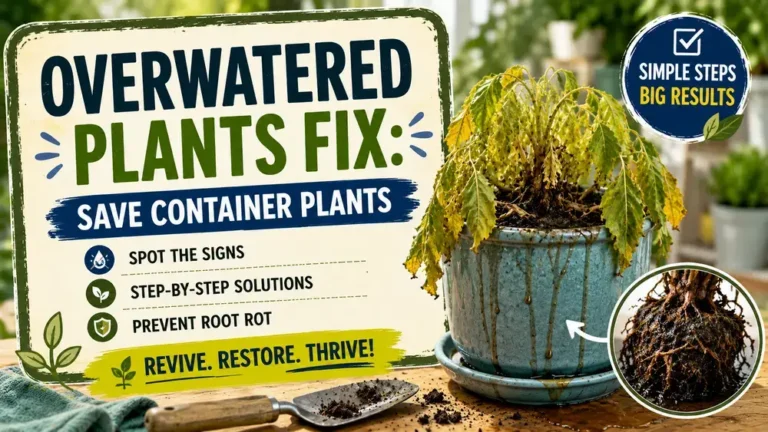
Beginners often overwater instead of underwater. Wet soil can damage roots just as much as dry soil.
This helpful guide on how often to water container plants explains how watering frequency changes based on container size, weather, and plant type.
Container Gardening in Florida: Month-by-Month Guide
January to February
Florida winters are mild, making these months perfect for cool-season vegetables.
Best plants:
- Lettuce
- Spinach
- Kale
- Carrots
- Cilantro
- Strawberries
Tips:
- Protect plants during rare cold nights
- Use lightweight row covers if temperatures drop
- Start tomato seeds indoors late in February
March to April
Spring is one of the best gardening periods in Florida. Temperatures are warm but not extreme.
Best plants:
- Tomatoes
- Cucumbers
- Peppers
- Basil
- Beans
Tips:
- Fertilize regularly during rapid growth
- Add mulch to containers to keep roots cool
- Watch for aphids and whiteflies
May to June
Heat and humidity increase significantly during these months.
Best plants:
- Okra
- Sweet potatoes
- Eggplant
- Rosemary
- Mint
Tips:
- Move sensitive containers into afternoon shade
- Water more frequently
- Use larger containers to reduce heat stress
July to August
These are the toughest gardening months in Florida.
Best plants:
- Heat-tolerant herbs
- Tropical plants
- Malabar spinach
- Peppers
- Roselle
Tips:
- Expect slower growth from many vegetables
- Watch for fungal diseases caused by humidity
- Avoid overfertilizing stressed plants
The South Florida Vegetable Gardening Guide provides a useful seasonal planting schedule for hot-weather gardening.
September to October
Fall gardening begins, and conditions improve dramatically.
Best plants:
- Lettuce
- Broccoli
- Cauliflower
- Arugula
- Parsley
Tips:
- Refresh the old potting mix
- Start cool-season crops early
- Reduce watering slightly as temperatures cool
November to December
Cooler weather creates excellent growing conditions.
Best plants:
- Herbs
- Leafy greens
- Radishes
- Beets
- Green onions
Tips:
- Continue planting cool-season vegetables
- Watch for occasional cold fronts
- Fertilize lightly
The Florida gardening calendar from Pembroke Pines also offers beginner-friendly monthly gardening suggestions.
Best Florida Container Plants for Beginners
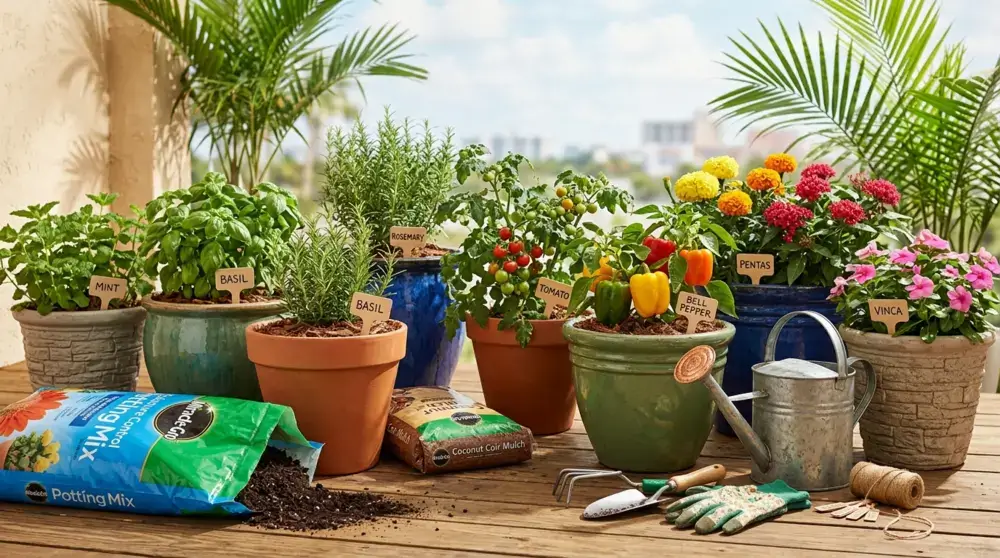
Some plants simply handle Florida conditions better than others. Beginners should focus on reliable, heat-tolerant varieties.
Best Vegetables
- Cherry tomatoes
- Okra
- Peppers
- Bush beans
- Eggplant
Best Herbs
- Basil
- Mint
- Rosemary
- Thyme
- Oregano
Best Flowers
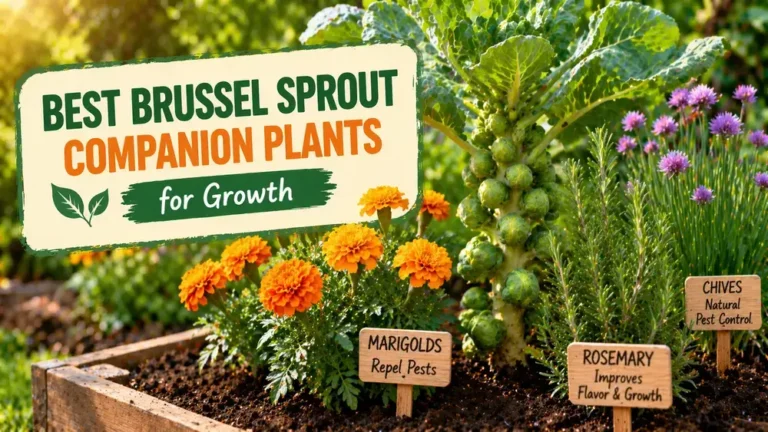
- Marigolds
- Pentas
- Zinnias
- Portulaca
- Coleus
Best Fruits
- Strawberries
- Dwarf blueberries
- Pineapple
- Dwarf citrus trees
These plants adapt well to containers and tolerate Florida humidity better than many delicate varieties.
Common Beginner Mistakes to Avoid
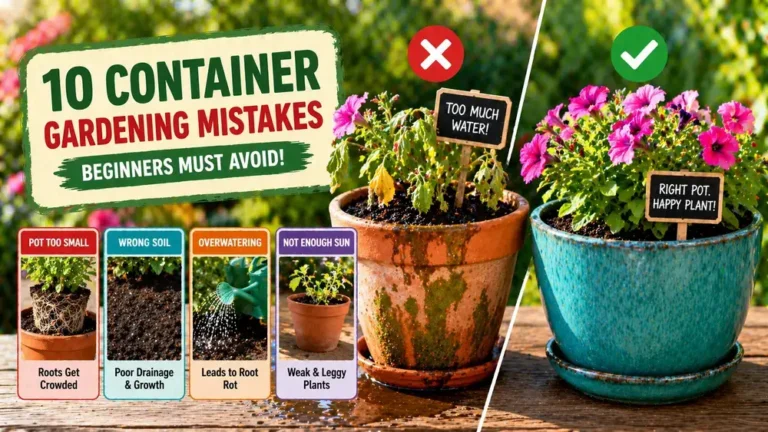
Using Small Containers
Small pots dry out very quickly in Florida heat. Larger containers provide more stable moisture levels and healthier root systems.
Planting at the Wrong Time
Many beginners try growing lettuce or spinach during peak summer heat. These crops perform much better in cooler months.
Following a Florida planting guide helps avoid frustration and crop failure.
Overwatering
Florida rainstorms can already keep the soil wet for days. Always check the moisture before watering again.
Ignoring Pests
Warm weather means pests stay active almost year-round.
Watch for:
- Aphids
- Whiteflies
- Spider mites
- Caterpillars
Inspect leaves weekly to catch problems early.
Using Poor Soil
Cheap soil often compacts quickly and drains poorly. Investing in quality potting mix saves time and prevents plant stress.
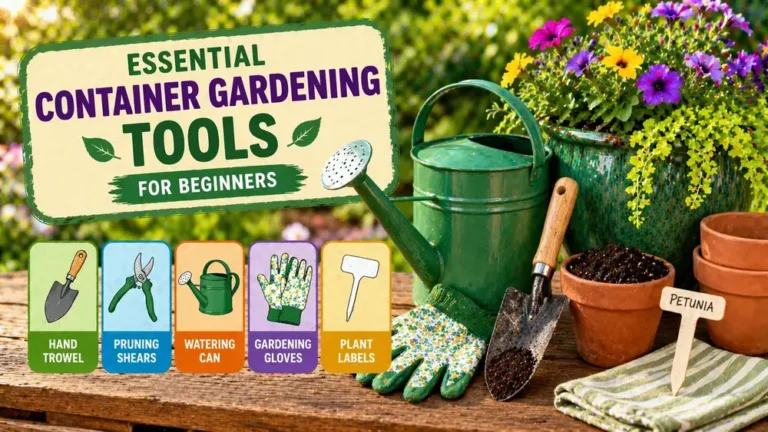
Essential Tools for Beginner Container Gardeners
You do not need expensive equipment to start.
Basic tools include:
- Hand trowel
- Pruning scissors
- Watering can or hose nozzle
- Gardening gloves
- Moisture meter
- Organic fertilizer
Start simple and upgrade tools as your gardening experience grows.
Florida Gardening Tips for Hot Climates
Gardening in hot climates requires a slightly different approach than gardening in cooler regions.
Helpful strategies include:
- Use mulch to reduce soil temperature
- Group containers together to retain humidity
- Choose heat-tolerant varieties
- Water deeply instead of lightly
- Use shade cloth during extreme heat
- Avoid black plastic pots in full sun
Small adjustments like these can dramatically improve plant health during Florida summers.
Conclusion
Container gardening in Florida is one of the easiest ways for beginners to grow fresh vegetables, herbs, flowers, and fruits at home. The key is understanding Florida’s unique climate and planting according to the season instead of following gardening advice meant for colder regions.
Start with a few simple containers, choose heat-friendly plants, and follow a month-by-month schedule. As your confidence grows, you can expand your garden and experiment with new crops throughout the year.
Even a small patio or balcony can become a productive Florida container garden with the right approach.
Ready to improve your container garden? Explore our beginner guides on choosing the best soil, watering container plants correctly, and starting a successful Florida container garden at Gardening Note.
FAQs About Container Gardening in Florida
1. What are the best plants for container gardening in Florida?
The best plants for container gardening in Florida are heat-tolerant varieties that can handle humidity and strong sunlight. Beginners usually have success with cherry tomatoes, peppers, basil, mint, okra, and marigolds. During cooler months, lettuce, spinach, and kale grow very well in containers. Choose plants based on the season because Florida’s climate changes gardening conditions throughout the year.
2. How often should I water container plants in Florida?
Container gardening in Florida usually requires more frequent watering because the heat dries containers quickly. During summer, many plants need watering once or even twice daily, especially in small pots. Water early in the morning to reduce evaporation and help roots absorb moisture before the afternoon heat arrives. Always check the soil first instead of watering on a strict schedule.
3. When is the best time to start container gardening in Florida?
The best time to begin container gardening in Florida is during fall or early spring when temperatures are milder. September through April is ideal for many vegetables and herbs. Beginners often struggle when starting during peak summer because extreme heat stresses young plants. Starting in cooler months gives plants time to establish strong roots before hotter weather arrives.
4. What size containers work best for beginner gardeners?
For successful container gardening in Florida, larger containers usually work better because they hold moisture longer and protect roots from overheating. A container that is at least 12 to 18 inches wide is suitable for most vegetables and herbs. Small pots dry out very fast in Florida heat, which can make gardening frustrating for beginners who are still learning proper watering habits.
5. How can I protect container plants from Florida heat?
One of the best Florida gardening tips is to protect plants from harsh afternoon sun. Move containers into partial shade during extreme heat, especially in summer. Adding mulch helps keep roots cooler and reduces moisture loss. In container gardening in Florida, using light-colored pots and watering deeply in the morning can also prevent heat stress and improve plant health.