How to Grow Roses from Rose Hips

If you love roses, you may be surprised to learn that you can grow them not just from cuttings or nursery plants, but from rose hips. The seed pods that appear after the flowers fade. Many gardeners overlook rose hips, yet they hold the key to creating entirely new rose plants. The process requires patience, but the reward is watching a rose grow from seed, giving you a unique plant that might even differ from the parent.
In this guide, we’ll cover how to grow roses from rose hips, step by step. You’ll learn how to harvest rose hips, prepare the seeds, encourage germination, and care for the seedlings. Along the way, we’ll also share practical rose hip germination tips, planting techniques, and insights into how to propagate roses from hips successfully.
What Are Rose Hips and Why Use Them?
Rose hips are the fruit of the rose plant, typically forming once the flowers die back. They look like small berries, often red, orange, or even dark purple, depending on the variety. Inside, they contain rose seeds.
Growing roses from rose hips is different from planting cuttings. With seeds, you might end up with a completely new hybrid due to cross-pollination. That means the roses you grow could have unique colors, shapes, or fragrances. For many gardeners, this mystery makes the process exciting.
Benefits of growing roses from rose hips:
- It’s cost-effective. You don’t need to buy new plants.
- Each plant can be unique, adding diversity to your garden.
- It’s a fun project for gardeners who enjoy experimenting.
- Rose hips are packed with seeds, so one harvest gives you many chances to succeed.
Harvesting Rose Hips
The first step in rose hip seeds planting is harvesting at the right time. Rose hips need to mature fully before the seeds can germinate.
How to harvest rose hips:
- Wait until late summer or early fall when hips turn red, orange, or purple.
- Choose hips that feel firm but slightly soft to the touch.
- Cut them from the plant using clean scissors or pruners.
- Avoid shriveled or moldy hips, as their seeds may be weak.
Tip: If you want better results, harvest from hardy rose varieties, such as wild roses or rugosa roses, which often produce more viable seeds.
Preparing Rose Hip Seeds
Once harvested, you’ll need to remove and prepare the seeds. Proper preparation increases the chances of success.
Steps to prepare rose hip seeds:
- Cut open the rose hips with a knife and scoop out the seeds.
- Rinse the seeds under water to remove pulp and fibers.
- Soak them in a mix of water and a drop of hydrogen peroxide for 24 hours to kill bacteria and prevent mold.
- Place the seeds on a paper towel and let them dry.
At this stage, your seeds are ready for the crucial next step: stratification.

Stratification: The Key to Rose Hip Germination
One of the most important rose hip germination tips is stratification. Rose seeds need a period of cold treatment to mimic winter before they sprout. Without it, germination rates are very low.
How to stratify rose seeds:
- Mix seeds with damp sand or peat moss in a plastic bag.
- Seal the bag and place it in the refrigerator (not the freezer).
- Keep the temperature between 34-40°F (1-4°C).
- Stratify for 6-12 weeks, checking periodically for sprouting.
This cold treatment breaks seed dormancy and encourages healthy growth.
Planting Rose Hip Seeds
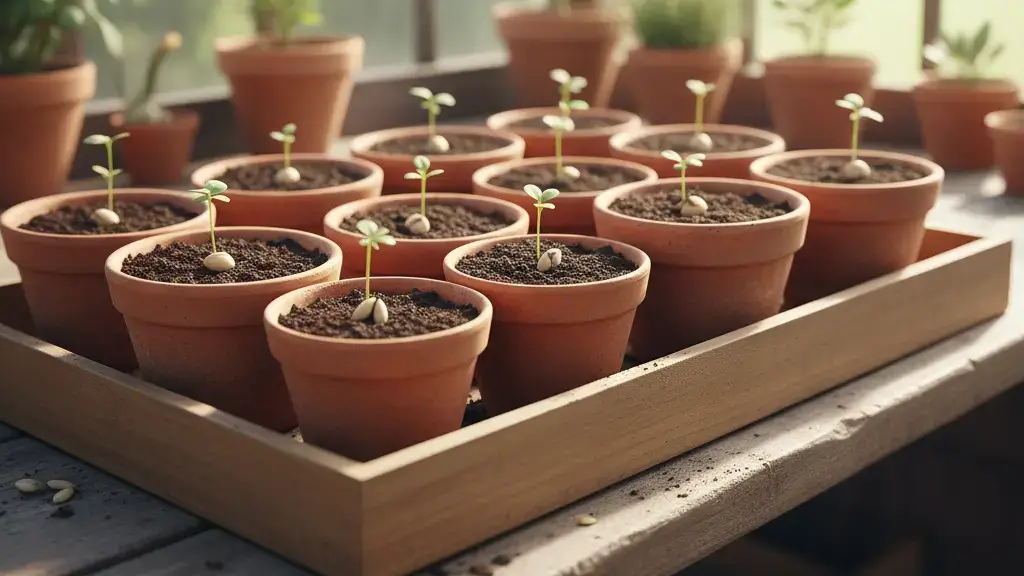
After stratification, it’s time to start rose hip seeds planting. This is where the fun begins, as you get to see your seeds come to life.
How to plant rose hip seeds:
- Fill seed trays or small pots with a mix of potting soil and perlite.
- Plant seeds about ¼ inch deep.
- Water gently to keep soil moist but not soggy.
- Place pots in a sunny window or under grow lights.
- Maintain temperatures between 65-75°F (18-24°C).
Seedlings may take a few weeks or even months to appear, so patience is key.
Caring for Rose Seedlings
Once seedlings emerge, they need consistent care to thrive.
- Light: Ensure they get at least 6 hours of sunlight or use grow lights.
- Water: Keep the soil evenly moist but never waterlogged.
- Thinning: If too many seedlings grow close together, thin them out to give space.
- Transplanting: When seedlings have 4-6 true leaves, move them into larger pots.
Tip: Fertilize lightly with a balanced liquid fertilizer to encourage strong root growth.
How to Propagate Roses from Hips Successfully
If you’re wondering how to propagate roses from hips beyond the basics, here are some advanced tips:
- Choose hips from strong, disease-resistant roses for better survival rates.
- Label your seed trays to track which hips produced which seedlings.
- Consider starting more seeds than you need, since not all will germinate.
- Harden off seedlings before moving them outdoors by gradually exposing them to fresh air and sunlight.
By following these methods, you’ll maximize your success rate and create healthy young rose plants.
Common Challenges and How to Overcome Them
Growing roses from seeds is rewarding but not without challenges.
- Low germination rates: Stratification usually solves this problem.
- Mold growth during stratification: Rinse seeds in hydrogen peroxide before storage.
- Weak seedlings: Provide enough light and avoid overwatering.
- Slow growth: Patience is essential, as roses from hips grow slower than cuttings.

Real-Life Example: A Gardener’s Patience Pays Off
Many home gardeners report that while growing roses from rose hips takes longer than expected, the results are worth it. Imagine planting seeds one year and watching them bloom into roses a year or two later. The surprise of seeing what color or shape emerges makes the journey exciting and deeply rewarding.
Conclusion: Growing Roses from Rose Hips Is Worth the Wait
Learning how to grow roses from rose hips takes time, patience, and a little extra care, but the rewards are truly special. From harvesting hips to stratifying seeds, planting, and nurturing seedlings, each step brings you closer to creating a unique rose.
Whether you’re looking to expand your garden or experiment with new varieties, this method offers a cost-effective and creative way to grow. Remember to follow the rose hip germination tips shared here, and soon enough, you’ll see the results of your effort.
So, why not give it a try? Start collecting rose hips this season and see what surprises nature has in store for your garden.
FAQs
1. How do you prepare rose hips for planting?
To prepare rose hips, harvest them when they turn bright orange or red and feel slightly soft. Cut them open, scoop out the seeds, and rinse off any pulp. For better germination, stratify the seeds in the refrigerator for 6–12 weeks. This cold treatment helps mimic winter conditions and improves the success rate of growing roses from rose hips.
2. Do rose hip seeds need special care before germination?
Yes, rose hip seeds require stratification before planting. Place them in a damp paper towel, seal in a plastic bag, and refrigerate for a few weeks. This breaks dormancy and encourages sprouting. Without stratification, the seeds may stay inactive. Following these rose hip germination tips increases the chances of healthy seedlings.
3. Can I grow roses from rose hips in pots?
Absolutely! Start rose hip seeds planting in small pots with well-draining soil and keep them in a sunny location. Water lightly to maintain moisture but avoid soggy soil. Once seedlings grow strong enough, you can transplant them to larger containers or your garden. This method works especially well for beginners with limited space.
4. What type of soil is best for roses grown from rose hips?
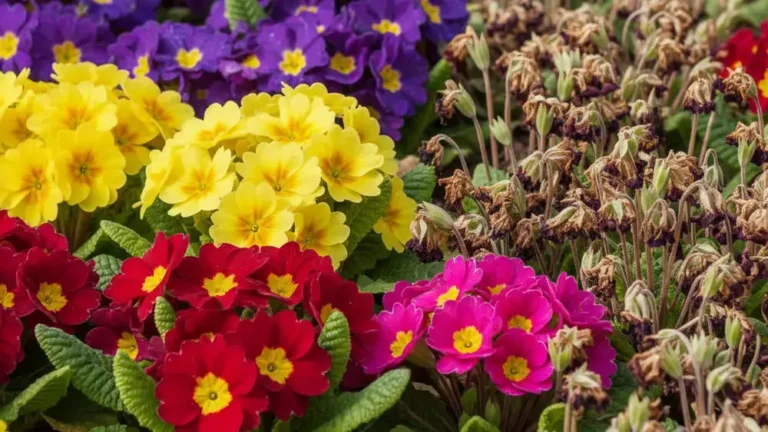
A light, nutrient-rich, and well-draining soil mix is best. Combine garden soil with compost and a little sand to prevent waterlogging. Just as proper care is needed for Primroses After Flowering, soil quality is crucial for roses too. Healthy soil ensures strong root growth and better chances of producing vibrant blooms in the future.
5. Will roses grown from rose hips look like the parent plant?
Not always. Growing roses from rose hips is a form of sexual reproduction, meaning the seedlings may inherit mixed traits from both parent plants. This can result in unique variations in flower color, fragrance, and size. It’s one of the exciting parts of learning how to propagate roses from hips—you might create a brand-new rose variety!