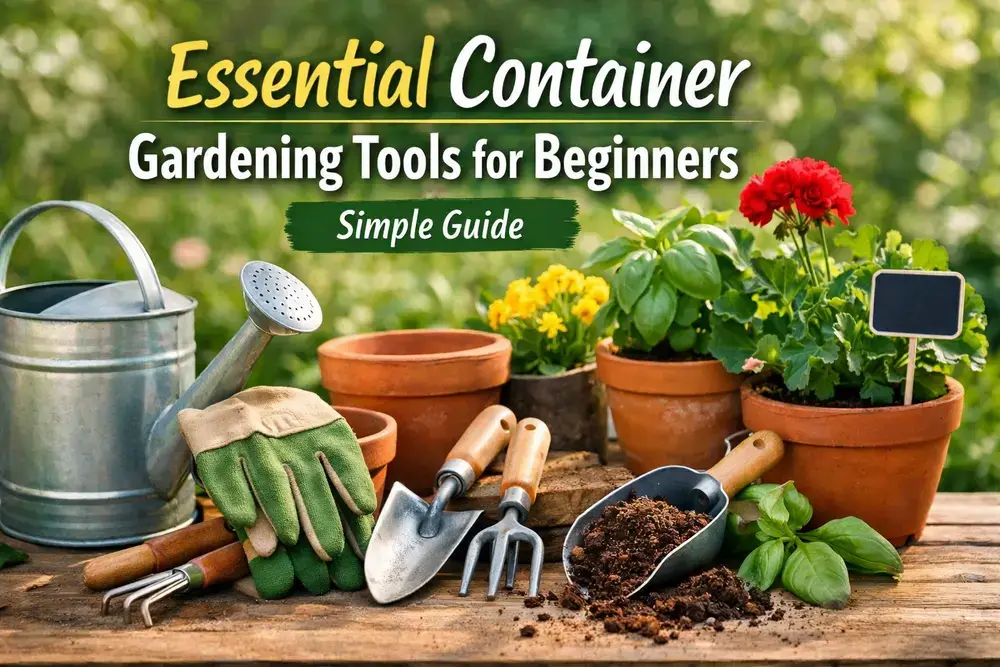
Essential Container Gardening Tools for Beginners (Simple Guide)
Starting a small garden at home does not require a backyard or expensive equipment. With the right container gardening tools, you can grow healthy plants on a balcony, patio, or even a windowsill. Many beginners feel unsure about what tools they actually need, which often leads to wasted money or poor results.
This guide will walk you through the essential tools every beginner should have, how to use them properly, and how to avoid common mistakes. By the end, you will have a clear, practical understanding of how to build your starter toolkit and care for your plants with confidence.
Quick Answer
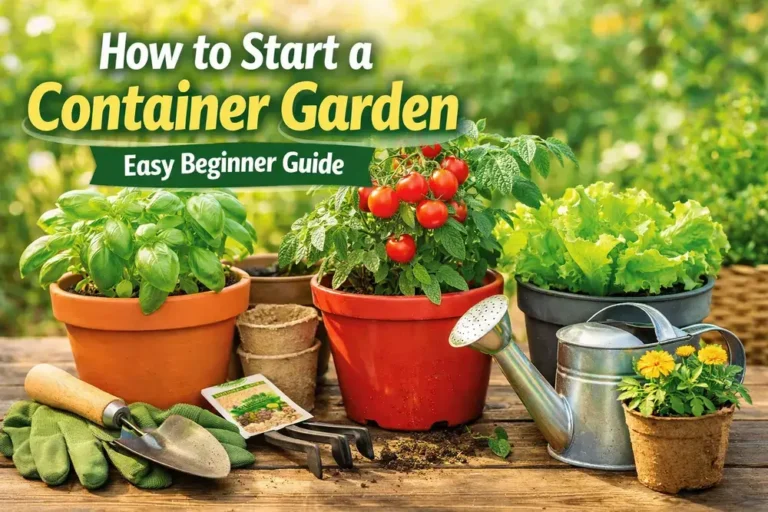
The essential container gardening tools include a hand trowel, pruning shears, watering can, gloves, and a good potting mix scoop. These basic tools help you plant, maintain, and care for potted plants effectively without overcomplicating your setup.
Basics of Container Gardening
Container gardening is simply growing plants in pots or containers instead of the ground. It is ideal for beginners because it offers control over soil, water, and plant placement.
According to the University of Illinois Extension guide to container gardening, choosing the right container, soil, and drainage system is the foundation of success. Without these basics, even the best tools will not help your plants thrive.
If you are completely new, you can follow this detailed step-by-step container gardening guide to understand how everything fits together before buying tools.
Why Tools Matter in Container Gardening
Unlike traditional gardening, container gardening involves limited space and controlled conditions. The right tools help you:
- Work efficiently in small spaces
- Prevent damage to roots and plants
- Maintain proper watering and pruning
- Keep your garden clean and organized
Using incorrect or oversized tools can disturb soil structure or harm delicate plants.
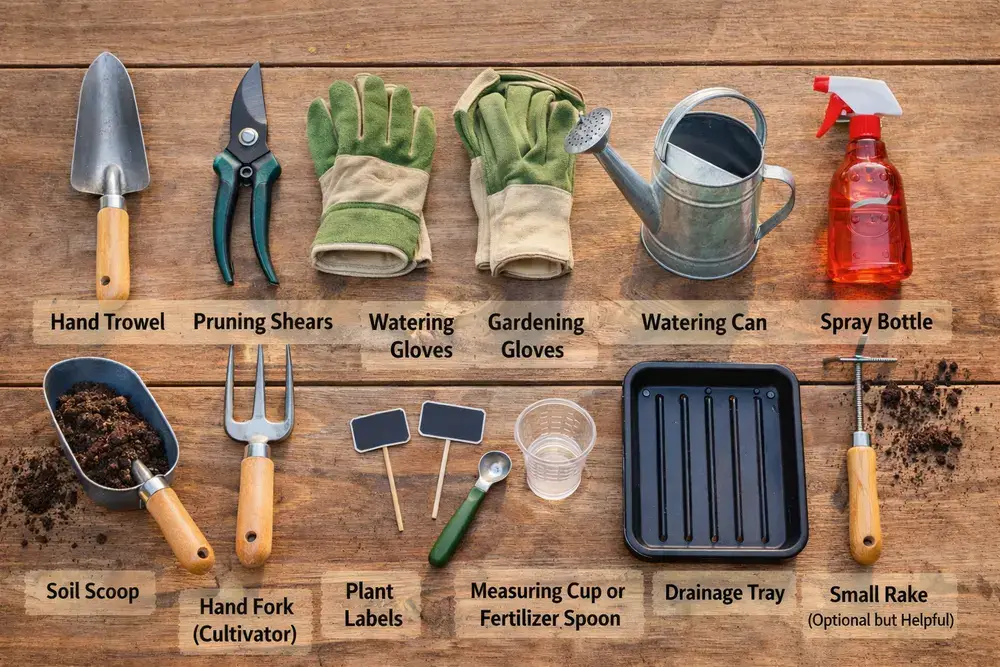
Essential Container Gardening Tools for Beginners
1. Hand Trowel
A hand trowel is one of the most important gardening tools for beginners.
What it does:
- Digging small holes
- Transferring soil
- Planting seedlings
Tip: Choose one with a comfortable grip and rust-resistant metal.
2. Pruning Shears (Secateurs)
Healthy plants need regular trimming.
What it does:
- Cutting dead leaves
- Shaping plants
- Harvesting herbs or vegetables
Clean cuts reduce plant stress and prevent disease spread.
3. Watering Can or Spray Bottle
Watering is critical in container gardening because pots dry out faster than the ground soil.
Best options:
- Watering can with a narrow spout for precision
- Spray bottle for delicate plants
For proper watering practices, the Utah State University container gardening tips explain how overwatering can damage roots more than underwatering.
4. Gardening Gloves
Gloves protect your hands from dirt, thorns, and bacteria.
Look for:
- Breathable material
- Good grip
- Flexible fit
5. Soil Scoop or Small Shovel
This tool makes filling containers easier and less messy.
Why it matters:
- Prevents soil spills
- Speeds up planting
- Keeps your workspace tidy
6. Hand Fork (Cultivator)
A small fork helps loosen soil in containers.
Benefits:
- Improves aeration
- Prevents soil compaction
- Helps roots grow better
7. Plant Labels
Simple but often overlooked.
Why useful:
- Track plant types
- Monitor growth
- Avoid confusion when growing multiple plants
8. Measuring Cup or Fertilizer Spoon
Feeding plants correctly is just as important as watering.
Use it for:
- Accurate fertilizer dosing
- Avoiding overfeeding
9. Drainage Tray
Water drainage is essential for healthy roots.
Function:
- Collects excess water
- Protects indoor surfaces
- Prevents root rot
10. Small Rake (Optional but Helpful)
Useful for leveling soil and removing debris from pots.
If you want a broader overview of tool types, this guide on gardening tools names every beginner should know provides helpful context.
Quick Tool Comparison Table
| Tool | Purpose | Essential Level |
|---|---|---|
| Hand Trowel | Planting and digging | Must-have |
| Pruning Shears | Trimming and cutting | Must-have |
| Watering Can | Controlled watering | Must-have |
| Gloves | Hand protection | Must-have |
| Soil Scoop | Filling pots | Recommended |
| Hand Fork | Soil aeration | Recommended |
| Labels | Plant tracking | Optional |
| Measuring Spoon | Fertilizer control | Recommended |
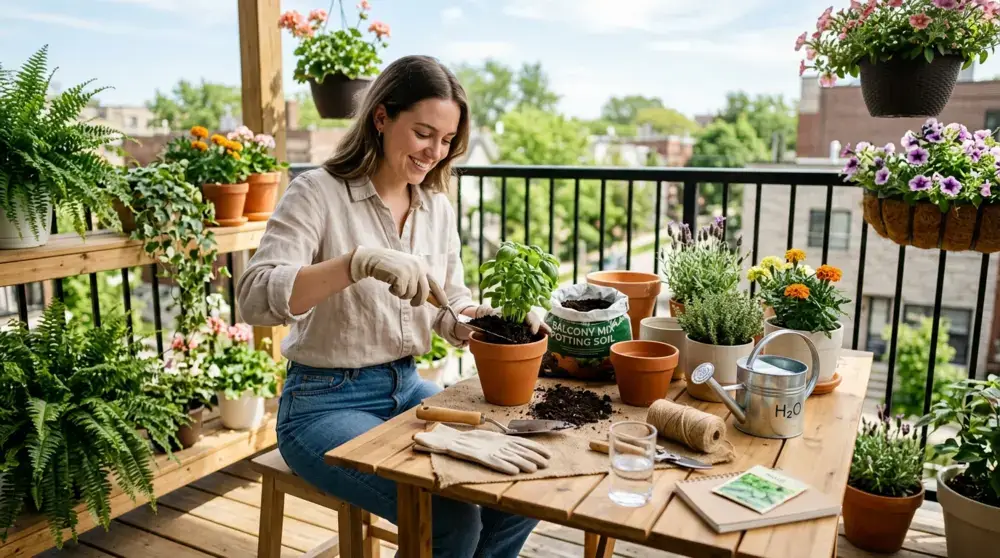
How to Choose the Right Tools for Potted Plants
Not all tools are suitable for container gardening. Choosing wisely saves money and improves results.
Key Factors to Consider
1. Size
Avoid large garden tools. Small, lightweight tools work best in containers.
2. Material
- Stainless steel lasts longer
- Plastic is lighter but less durable
3. Comfort
Ergonomic handles reduce strain during regular use.
4. Storage
Choose compact tools that are easy to store in small spaces.
When selecting containers themselves, this guide on the best pots for container gardening will help you match your tools with the right pot types.
Step-by-Step: Using Your Tools Effectively
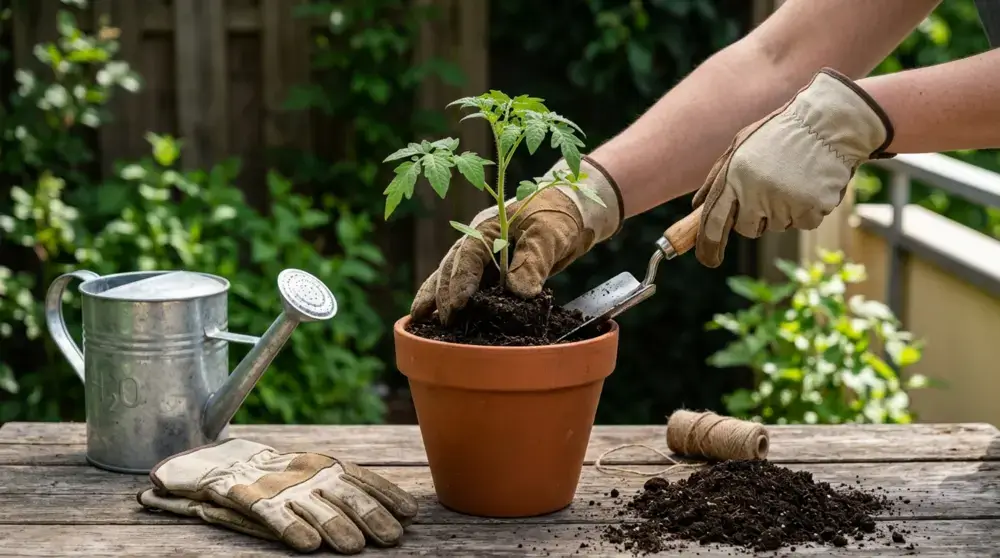
Step 1: Prepare Your Container
- Add drainage holes if needed
- Place a tray underneath
- Fill with quality potting mix
Step 2: Planting
- Use a hand trowel to dig
- Place your plant carefully
- Cover roots gently
Step 3: Watering
- Water slowly using a narrow spout
- Avoid flooding the soil
Step 4: Maintenance
- Prune regularly with shears
- Loosen soil with a hand fork
- Remove dead leaves
Step 5: Feeding
- Use a measuring spoon for fertilizer
- Follow recommended amounts
The Penn State Extension guide on container gardening techniques highlights how consistent care routines improve plant health significantly.
Beginner Tips and Best Practices
- Start with a few tools only. Do not overbuy
- Clean tools after each use to prevent disease
- Store tools in a dry place to avoid rust
- Use separate tools for indoor and outdoor plants if possible
- Invest in quality tools instead of cheap replacements
Common Mistakes to Avoid
Buying Too Many Tools
Many beginners purchase unnecessary tools. Focus on essentials first.
Using Large Garden Tools
Oversized tools damage roots and disturb soil.
Ignoring Tool Maintenance
Dirty tools spread pests and diseases.
Poor Watering Practices
Even with good tools, improper watering can kill plants.
Choosing the Wrong Containers
Tools work best when paired with proper pots and drainage systems.
Recommended Plants for Beginners
These plants are easy to manage with basic gardening equipment:
- Herbs: Basil, mint, parsley
- Vegetables: Cherry tomatoes, lettuce, peppers
- Flowers: Marigolds, petunias
- Indoor plants: Snake plant, pothos
These plants require minimal tools and are forgiving for beginners.
Conclusion
Starting a container garden becomes much easier when you have the right tools. A simple set of container gardening tools, such as a hand trowel, pruning shears, and a watering can is enough to begin. You do not need expensive or advanced equipment to grow healthy plants.
Focus on quality, learn how each tool works, and build your skills gradually. With consistent care and the right approach, even a small space can turn into a productive and rewarding garden.
If you are ready to begin, explore our complete step-by-step container gardening guide and learn the full process from setup to harvest. You can also check our guide on gardening tools names to expand your knowledge and build your perfect gardening toolkit.
FAQs – Essential Container Gardening Tools
1. What are the most essential container gardening tools for beginners?
The most important container gardening tools include a hand trowel, pruning shears, watering can, gloves, and a soil scoop. These tools cover the basics of planting, watering, and maintenance. Start with these essentials instead of buying a full kit. As your garden grows, you can add more tools based on your needs.
2. Can I start container gardening with minimal tools?
Yes, you can begin with just a few container gardening tools. A trowel for planting, a watering can, and basic gloves are enough to get started. Focus on learning how to use these tools properly rather than collecting many items. Simple tools, used correctly, often give better results than expensive equipment.
3. How do I choose the right tools for potted plants?
When selecting container gardening tools, choose small, lightweight, and durable options. Tools with ergonomic handles reduce strain during regular use. Avoid large garden tools, as they can damage roots in small pots. Stainless steel tools last longer and are easier to clean, making them a good long-term choice.
4. How often should I clean my gardening tools?
You should clean your container gardening tools after every use or at least once a week if used regularly. Wipe off soil, rinse with water, and dry them properly to prevent rust. Clean tools reduce the risk of spreading diseases between plants and help maintain better plant health over time.
5. Are expensive gardening tools better for beginners?
Not necessarily. Beginners do not need expensive container gardening tools to succeed. Focus on quality and comfort rather than price. A well-made, affordable tool can last years if maintained properly. Invest gradually as you gain experience and understand which tools you use most often.