Container Gardening for Beginners: Step-by-Step Guide (2026)
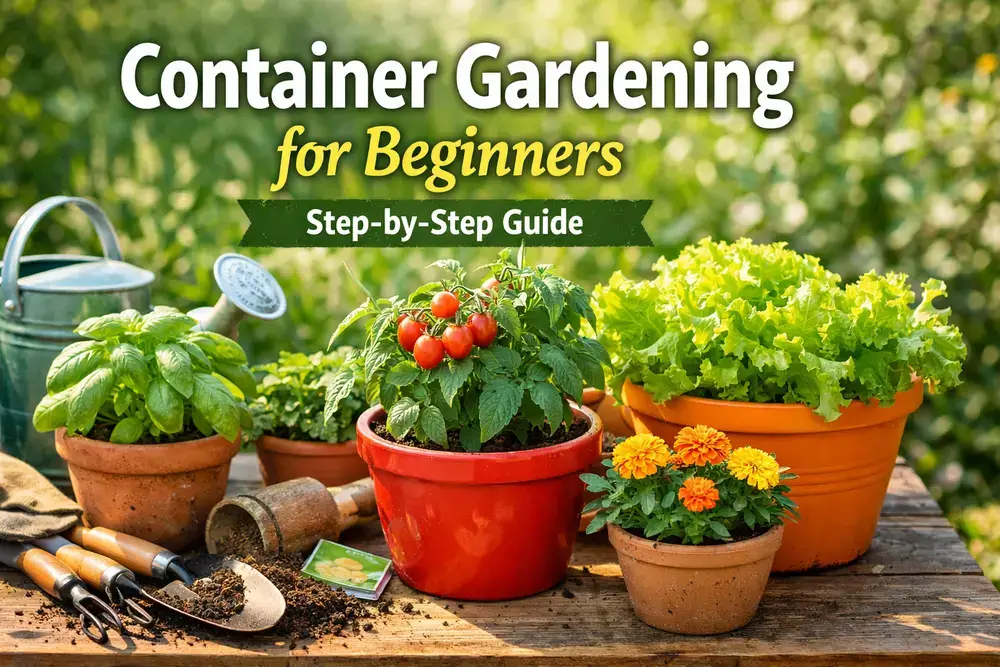
If you have limited space but still want to grow fresh herbs, vegetables, or flowers, container gardening is one of the easiest ways to begin. This guide on container gardening for beginners will walk you through everything you need, from choosing the right pots to keeping your plants healthy.
You will learn how to start a simple container garden, avoid common mistakes, and select plants that actually thrive in pots. Whether you live in an apartment or have a small backyard, this step-by-step approach will help you grow with confidence.
Container gardening for beginners involves growing plants in pots using proper soil, drainage, and sunlight. Start with easy plants, use the right containers, and maintain regular watering and feeding. With a few simple steps, anyone can build a healthy potted garden.
Basics of Container Gardening
Container gardening is simply growing plants in containers instead of planting them in the ground. These containers can be pots, buckets, grow bags, or even recycled items with proper drainage.
Why It Works Well for Beginners
- Easy to manage and control
- Requires less space
- Fewer weeds and soil issues
- Portable and flexible
What You Need to Get Started
Before planting, gather the basics:
- Containers with drainage holes
- Quality potting mix (not garden soil)
- Healthy plants or seeds
- Watering can or hose
If you are unsure about tools, it helps to review this guide on essential gardening tools every beginner should know to avoid buying unnecessary items.
Step-by-Step Guide to Starting a Container Garden
Step 1: Choose the Right Containers
Not all containers are equal. Size and material matter.
- Small pots (15–20 cm): herbs, lettuce
- Medium pots (20–30 cm): peppers, spinach
- Large pots (30+ cm): tomatoes, cucumbers
Tip: Always ensure proper drainage. Without it, roots can rot quickly.
Step 2: Use the Right Soil
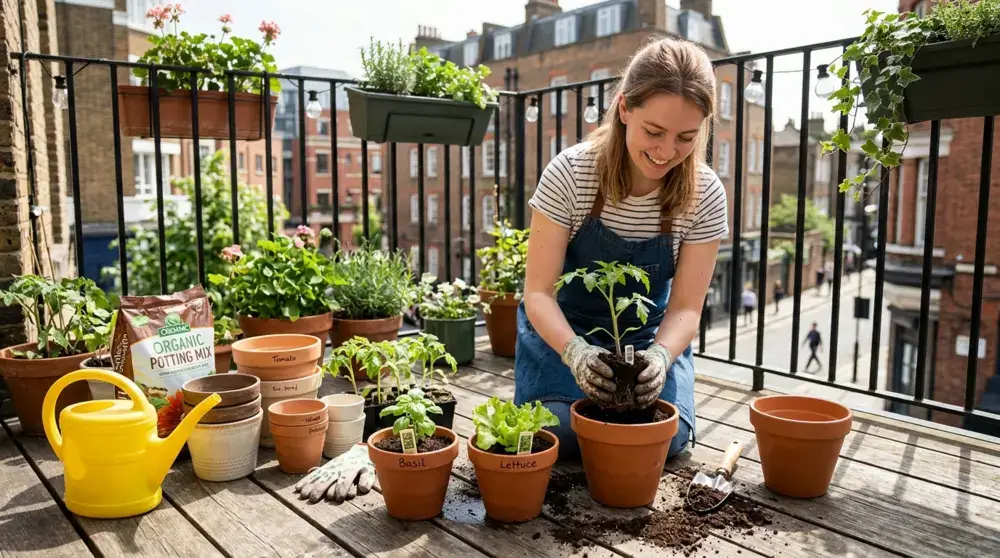
Regular garden soil becomes compact in pots and blocks airflow. Instead, use a light, well-draining potting mix.
A good mix should:
- Retain moisture but not stay soggy
- Allow roots to breathe
- Contain organic nutrients
For a deeper understanding, you can explore these container gardening basics and best practices, which explain soil and watering in detail.
Step 3: Pick Beginner-Friendly Plants
Start simple. Choose plants that grow easily in containers and do not require constant care.
Best options for beginners:
- Herbs: basil, mint, parsley
- Vegetables: lettuce, spinach, cherry tomatoes
- Flowers: marigolds, petunias
If you want to grow food, this guide on best vegetables to grow in containers can help you choose wisely.
Step 4: Place Containers in the Right Spot
Sunlight is critical.
| Plant Type | Sunlight Needed |
|---|---|
| Leafy greens | 4–6 hours |
| Herbs | 5–7 hours |
| Fruiting plants | 6–8 hours |
Place your containers where they get enough light. Balconies, windowsills, and patios work well.
Step 5: Water Properly
Overwatering is the most common beginner mistake.
- Check soil moisture daily
- Water when the top 2–3 cm feels dry
- Ensure excess water drains out
Hot climates may require watering once or twice daily.
Step 6: Feed Your Plants
Nutrients in pots run out quickly.
- Use liquid fertilizer every 2–3 weeks
- Add compost occasionally
- Avoid over-fertilizing
Step 7: Maintain and Monitor
Healthy container gardening depends on regular care.
- Remove dead leaves
- Watch for pests
- Rotate pots for even sunlight
Beginner Container Gardening Tips
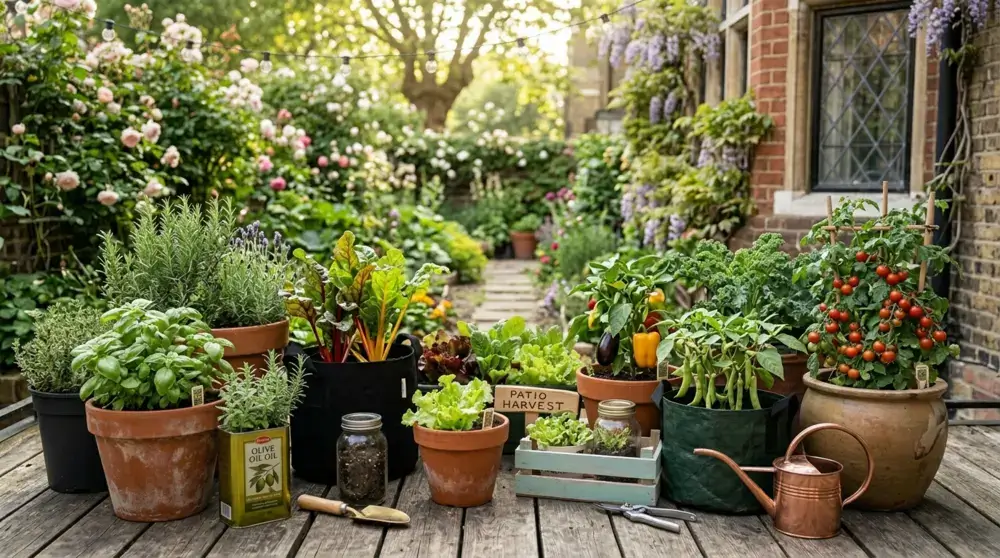
These simple tips will improve your results quickly:
- Start small with 3–5 containers
- Group plants with similar water needs
- Use mulch to retain moisture
- Label your plants to track growth
If you live in a warmer region, you can also learn from this guide on container gardening tips for warm climates to adjust your approach.
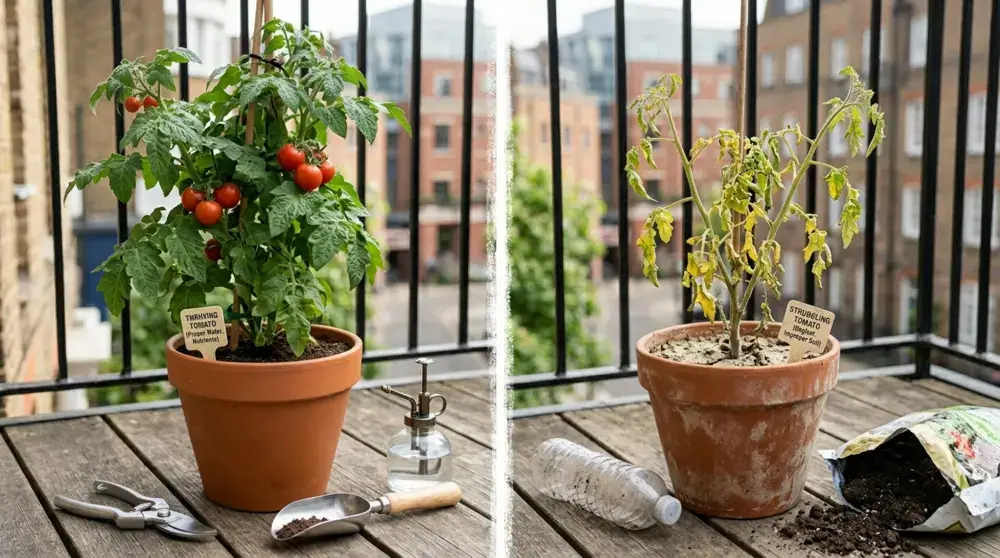
Common Mistakes to Avoid
Many beginners struggle because of a few avoidable errors.
1. Using the Wrong Soil
Heavy soil suffocates roots. Always use potting mix.
2. Overcrowding Plants
Too many plants in one pot compete for nutrients.
3. Ignoring Drainage
Waterlogged soil leads to root rot.
4. Poor Sunlight Placement
Plants will not grow well without enough light.
5. Inconsistent Watering
Both overwatering and underwatering can harm plants.
Recommended Plants for Container Gardening
Here is a quick comparison of easy plants to grow:
| Plant | Difficulty | Growth Speed | Ideal Container Size |
|---|---|---|---|
| Basil | Easy | Fast | Small |
| Lettuce | Easy | Fast | Small–Medium |
| Tomatoes | Medium | Moderate | Large |
| Spinach | Easy | Fast | Medium |
| Marigolds | Easy | Fast | Small–Medium |
For layout ideas and combining plants creatively, you can explore container gardening design ideas and techniques.
Best Methods for Long-Term Success
Once you get comfortable, improve your garden with these methods:
Companion Planting
Grow plants that support each other, such as basil with tomatoes.
Succession Planting
Plant new crops as soon as one harvest ends to keep production going.
Seasonal Adjustments
- Summer: increase watering
- Winter: reduce watering and protect plants
Conclusion
Container gardening is one of the simplest ways to start growing plants at home. With the right containers, soil, and basic care, you can build a productive garden even in a small space.
Focus on the essentials, avoid common mistakes, and start with easy plants. As you gain confidence, you can expand your setup and try new varieties.
Ready to begin? Start with a few pots today and build your own container garden step by step.
If you want to improve your setup, explore more beginner-friendly guides on Gardening Note and keep learning as your garden grows.
FAQs About Container Gardening
1. What is the easiest way to start container gardening for beginners?
The easiest way to begin container gardening for beginners is to start small with 2–3 pots and easy plants like basil or lettuce. Choose containers with drainage holes, use a good-quality potting mix, and place them where they get enough sunlight. Focus on simple routines like regular watering and basic care instead of trying too many plants at once.
2. How often should I water my container plants?
In container gardening for beginners, watering depends on the plant type, weather, and pot size. Most plants need watering when the top 2–3 cm of soil feels dry. During hot weather, you may need to water daily. Always check soil moisture before watering to avoid overwatering, which is a common mistake for beginners.
3. What are the best plants for beginner container gardening?
For container gardening for beginners, start with low-maintenance plants such as herbs like mint and parsley, leafy greens like spinach, and small vegetables like cherry tomatoes. These plants grow well in pots and do not require complex care. Choosing easy plants helps build confidence and increases your chances of success early on.
4. Do I need special soil for container gardening?
Yes, using the right soil is essential in container gardening for beginners. Avoid using garden soil, as it becomes compact in pots and limits root growth. Instead, use a light, well-draining potting mix designed for containers. This helps retain moisture while allowing proper airflow, which keeps plant roots healthy and strong.
5. Why are my container plants not growing well?
Poor growth in container gardening for beginners is usually caused by a lack of sunlight, improper watering, or poor soil quality. Make sure your plants receive enough sunlight based on their needs, use a quality potting mix, and follow a consistent watering schedule. Also, check that your containers have proper drainage to prevent root damage.