Best Pots for Container Gardening (Types, Sizes & Materials)
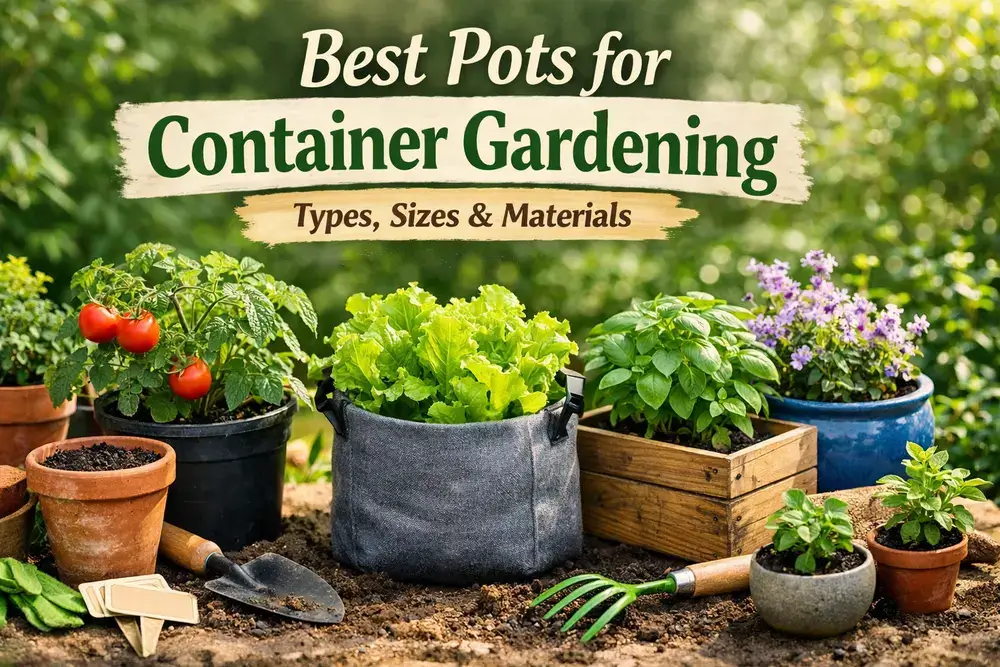
Choosing the best pots for container gardening is one of the most important decisions you’ll make as a beginner. The right pot does more than hold soil. It controls water, supports root growth, and directly affects how healthy your plants will be. Many new gardeners focus only on the plant itself, but the container often determines success or failure.
In this guide, you’ll learn how to choose the right pot based on size, material, and plant type. You’ll also discover practical tips, common mistakes to avoid, and how to match containers with your gardening goals.
Quick Answer
The best pots for container gardening have proper drainage, match the plant’s root size, and use suitable materials like plastic, clay, or fabric. Choose larger pots for vegetables and porous materials like terracotta for plants that prefer dry soil.
What Makes a Pot Ideal for Container Gardening?
Before comparing types, it helps to understand what actually makes a good container.
A quality pot should have:
- Drainage holes to prevent root rot
- Enough space for root development
- Durable material suited to your climate
- Proper weight for stability and portability
According to what makes a good planting container, drainage and size are the two most critical factors for plant health. Without them, even the best soil and care won’t help.
Types of Pots for Container Gardening
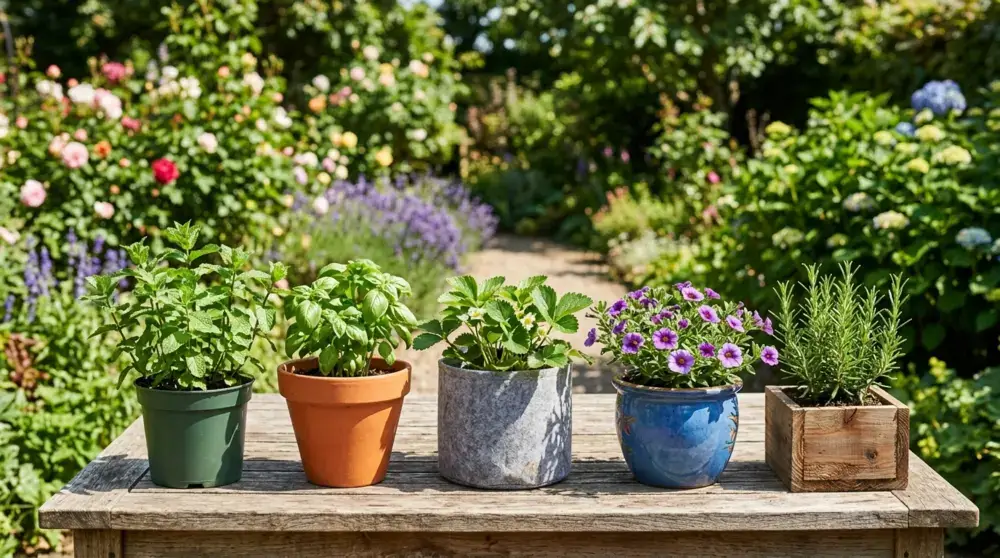
Each type of container has its strengths. Choosing the right one depends on your plant and environment.
1. Plastic Pots
Plastic pots are widely used and beginner-friendly.
Pros:
- Lightweight and easy to move
- Retain moisture well
- Affordable and widely available
Cons:
- Can overheat in direct sun
- Less breathable than clay
Best for: Herbs, leafy greens, indoor plants
2. Clay (Terracotta) Pots
Clay pots are traditional and visually appealing.
Pros:
- Porous, allows airflow to roots
- Helps prevent overwatering
- Classic natural look
Cons:
- Dries out quickly
- Can crack in cold weather
Best for: Succulents, cacti, drought-tolerant plants
When comparing plastic vs clay pots, the main difference is moisture control. Clay dries faster, while plastic retains water longer.
3. Fabric Pots (Grow Bags)
Fabric containers are gaining popularity among modern gardeners.
Pros:
- Excellent drainage
- Promotes air pruning of roots
- Prevents root circling
Cons:
- Dries out faster
- Less durable over time
Best for: Vegetables like tomatoes, potatoes, and peppers
4. Ceramic and Decorative Pots
These are often used for aesthetics.
Pros:
- Attractive designs
- Durable and stable
Cons:
- Often expensive
- May lack drainage holes
Best for: Indoor plants or decorative spaces
5. Wooden Containers
Wooden boxes or raised planters are useful for larger setups.
Pros:
- Good insulation for roots
- Natural appearance
Cons:
- Can rot over time
- Heavier than plastic
Best for: Herbs, flowers, and small vegetable gardens
For a broader understanding of container options and materials, see this guide on factors to consider when choosing garden containers.
Choosing the Right Pot Size for Your Plants
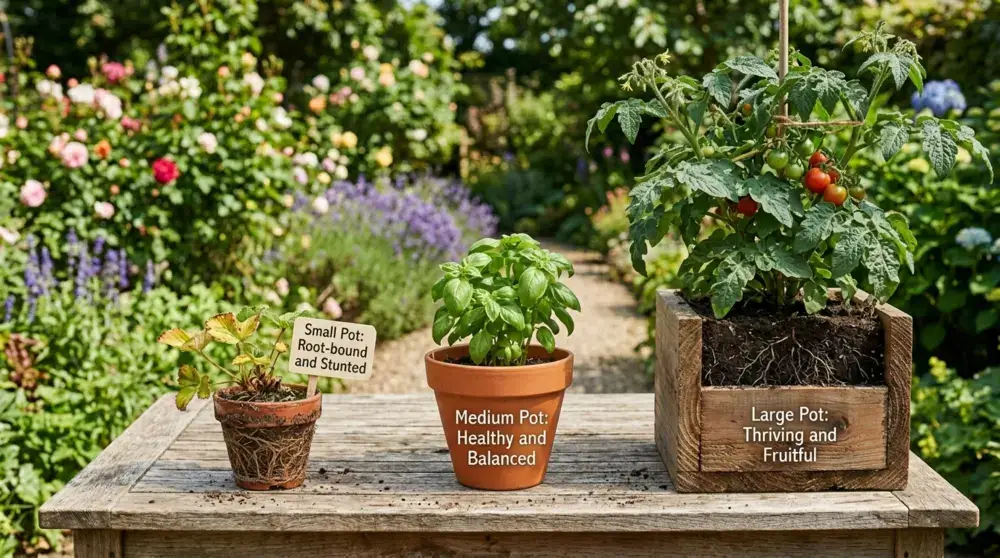
Size matters more than most beginners realize. A pot that’s too small restricts growth, while one that’s too large can hold excess water.
General Container Size Guide
| Plant Type | Recommended Pot Size |
|---|---|
| Herbs (basil, mint) | 6–8 inches |
| Leafy greens | 8–10 inches |
| Flowers | 10–12 inches |
| Tomatoes/peppers | 12–18 inches |
| Root vegetables | 12+ inches deep |
When selecting container sizes for plants, always consider both width and depth. Deep-rooted plants like carrots need vertical space, while spreading plants need width.
For a deeper explanation, the RHS explains how to choose the right pot size for plants, including how oversized pots can lead to waterlogging.
How Pot Material Affects Plant Growth
The material of your pot plays a direct role in moisture, temperature, and root health.
Moisture Retention
- Plastic holds moisture longer
- Clay allows water to evaporate quickly
- Fabric drains the fastest
Temperature Control
- Dark plastic pots heat up quickly
- Clay provides better insulation
- Wood protects roots from temperature swings
Root Health
- Breathable materials reduce root rot
- Non-porous materials require careful watering
This is why choosing plant pots is not just about appearance. It directly affects watering frequency and plant survival.
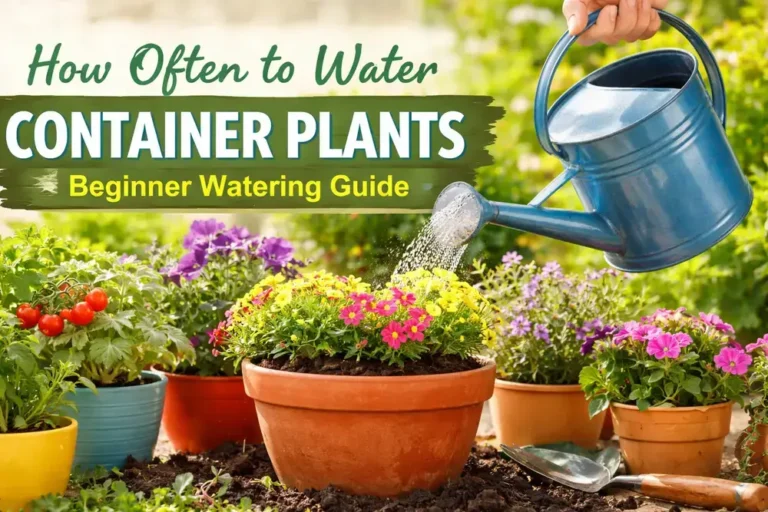
If you’re unsure how watering changes with different containers, this guide on how often to water container plants explains it clearly.
Step-by-Step Guide to Starting a Container Garden
Choosing the right pot is just one part of the process. Here’s how to start properly.
Step 1: Choose the Right Location
Pick a spot with enough sunlight based on your plant’s needs.
Step 2: Select the Right Pot
Match the pot size and material to your plant type.
Step 3: Use Quality Soil
Never use garden soil in containers. Instead, choose a proper mix. This guide on best soil for container gardening explains how to choose the right one.
Step 4: Ensure Proper Drainage
Add gravel or use pots with holes to avoid water buildup.
Step 5: Plant and Water Correctly
Place the plant at the right depth and water thoroughly after planting.
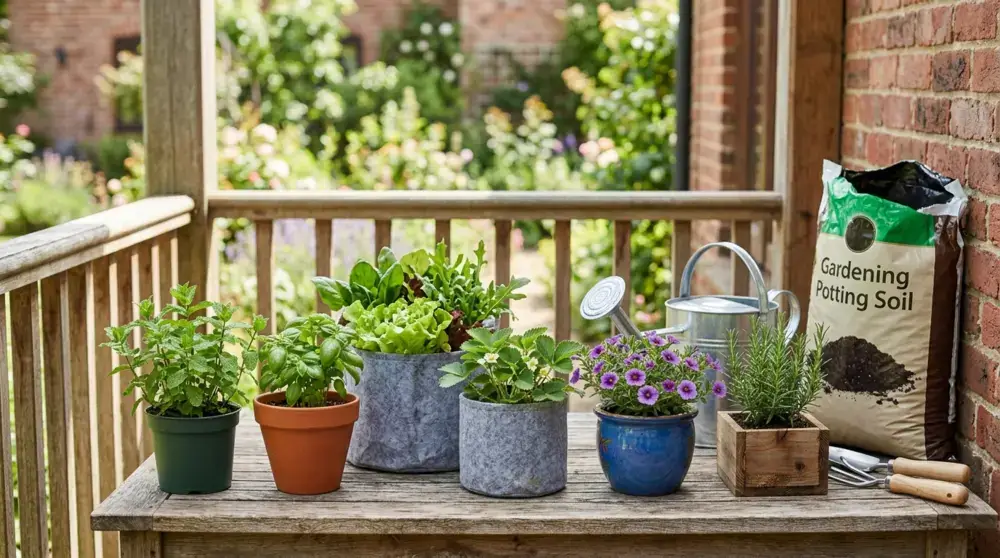
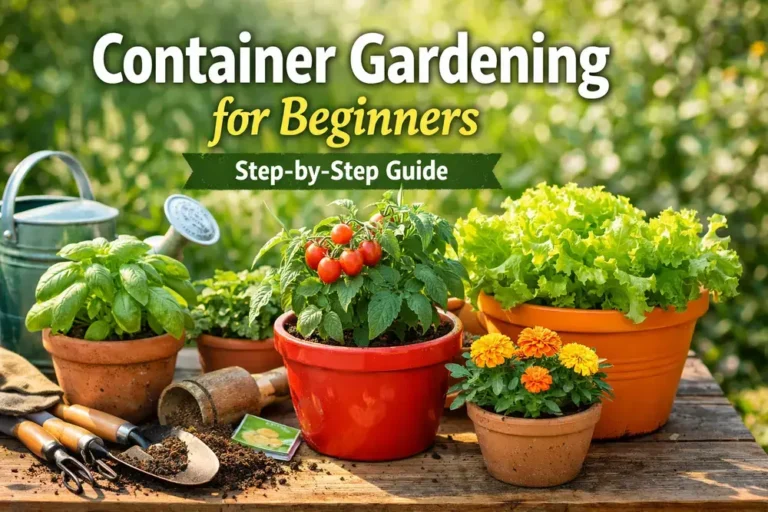
If you’re new to gardening, this complete container gardening for beginners step-by-step guide will help you understand the full process.
Beginner Tips for Choosing the Best Pots
- Start with medium-sized pots instead of very small ones
- Always check for drainage holes before buying
- Use lightweight pots if you plan to move them often
- Group plants with similar watering needs
- Avoid decorative pots without drainage unless using an inner liner
Common Mistakes to Avoid
Many beginners make simple mistakes that affect plant growth.
1. Choosing Pots Without Drainage
This leads to root rot quickly.
2. Using Pots That Are Too Small
Plants become root-bound and stop growing.
3. Ignoring Material Differences
Different materials require different watering habits.
4. Overwatering Large Pots
Extra soil holds water longer than expected.
5. Focusing Only on Appearance
A beautiful pot is useless if it doesn’t support plant health.
Best Plants for Different Pot Types
Matching plants with the right container improves results.
- Plastic pots: Lettuce, spinach, herbs
- Clay pots: Succulents, rosemary, thyme
- Fabric pots: Tomatoes, potatoes
- Wooden containers: Mixed herbs, flowers
This simple matching approach helps you avoid many beginner problems.
Conclusion
Choosing the best pots for container gardening is not complicated once you understand the basics. Focus on three key factors: size, material, and drainage. A well-chosen pot creates the right environment for roots, which leads to healthier and more productive plants.
Start simple. Pick a few plants, choose suitable containers, and learn as you go. Small improvements in your pot selection can make a big difference in your gardening success.
If you’re ready to improve your container garden, explore more helpful guides on Gardening Note. Learn how to choose the right soil, watering schedule, and beginner-friendly techniques to grow healthier plants with confidence.
FAQs – Best Pots for Container Gardening
1. What are the best pots for container gardening for beginners?
The best pots for container gardening for beginners are plastic or fabric pots with drainage holes. They are lightweight, affordable, and easy to manage. Start with medium-sized containers so plants have enough space to grow. Avoid very small pots, as they dry out quickly and require frequent watering.
2. How do I choose the right pot size for my plants?
Choosing the right size depends on the plant’s root system. Herbs and small plants do well in 6–8 inch pots, while vegetables like tomatoes need at least 12–18 inches. The best pots for container gardening always provide enough room for roots without holding excess water that can cause rot.
3. Are plastic or clay pots better for container gardening?
Both have advantages. Plastic pots retain moisture longer, making them ideal for hot climates or busy gardeners. Clay pots are breathable and reduce overwatering but dry out faster. The best pots for container gardening depend on your watering habits and plant type, so choose based on how often you can water.
4. Do all pots need drainage holes?
Yes, drainage holes are essential. Without them, water collects at the bottom and leads to root rot. If you like decorative containers without holes, place a smaller pot inside them. The best pots for container gardening always allow excess water to escape easily.
5. What material is best for container gardening in hot weather?
In hot weather, plastic or glazed ceramic pots are often better because they retain moisture longer. Fabric pots can also work but need frequent watering. When selecting the best pots for container gardening in warm climates, focus on materials that prevent soil from drying out too quickly.