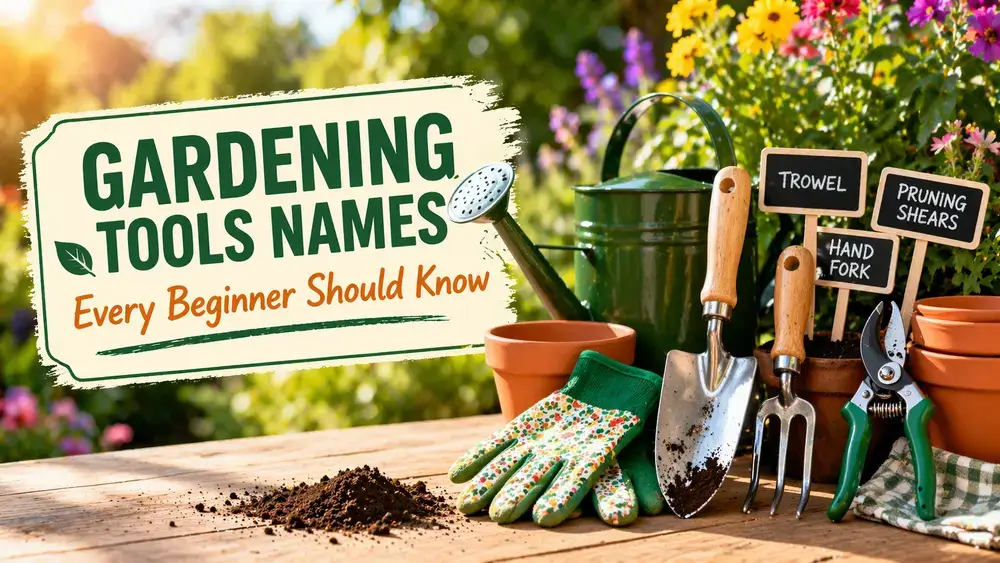
Gardening Tools Names Every Beginner Should Know
Introduction
Stepping into the world of gardening is both exciting and a little overwhelming. From planting your very first seeds to watching them bloom, every step feels rewarding. But here’s the truth: to make gardening easier, more enjoyable, and less frustrating, you need the right tools. And that’s where many beginners get stuck. They’re not sure which tools are essential or even what they’re called. That’s why learning the gardening tools names is the perfect place to start.
In this blog, we’ll break down the must-know tools every beginner should have in their toolkit, explain how each one works, and share tips to help you use them effectively. Whether you’re planting vegetables on your balcony or maintaining a big backyard garden, this guide will help you feel confident and prepared.
Why Knowing Gardening Tools Names Matters
Many beginners jump into gardening without understanding the tools they’re using. This can lead to unnecessary effort, poor plant health, or even injuries. By learning the gardening tools names:
- You’ll shop smarter and avoid wasting money on unnecessary items.
- You’ll use the right tool for the right job, making tasks easier.
- You’ll take better care of your garden and plants.
Think of tools as your gardening companions. Once you know them, you’ll wonder how you ever gardened without them!
Essential Gardening Hand Tools
1. Trowel
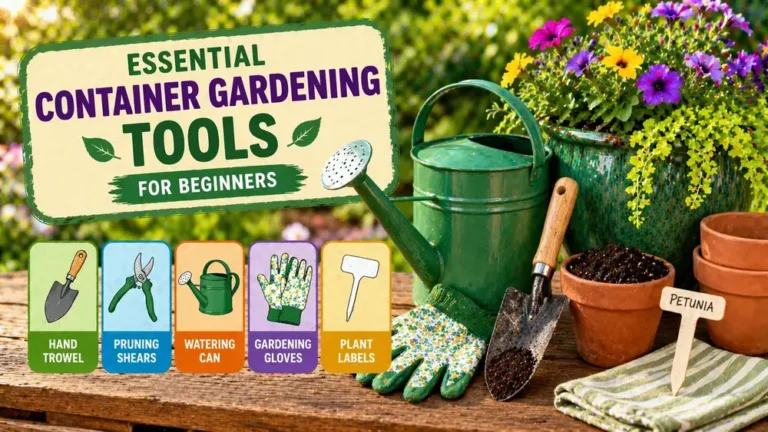
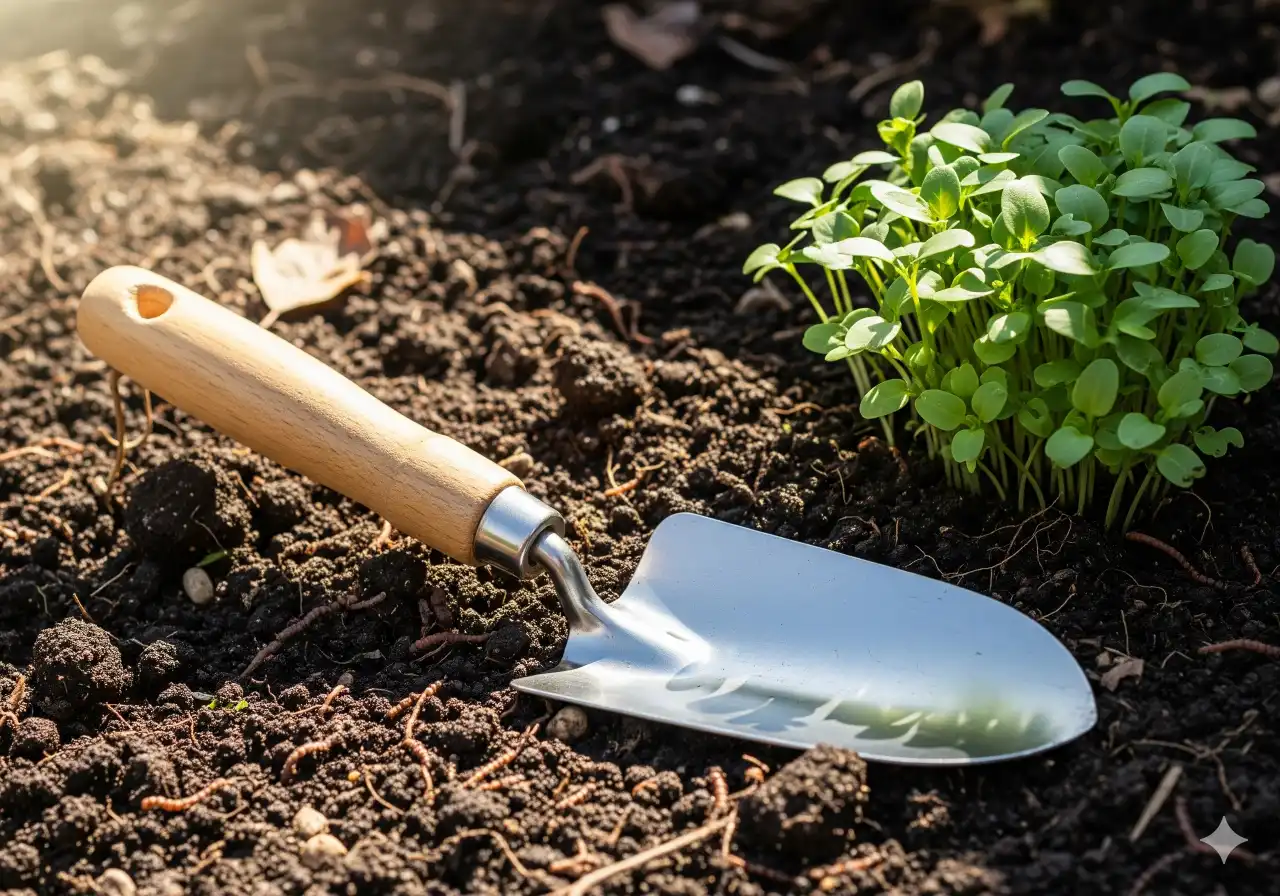
A trowel is one of the first tools every gardener should own. It’s a small handheld tool perfect for digging small holes, transplanting seedlings, and scooping soil or compost.
Actionable Tip: Choose a trowel with a sturdy, ergonomic handle for comfort. Stainless steel blades are durable and rust-resistant.
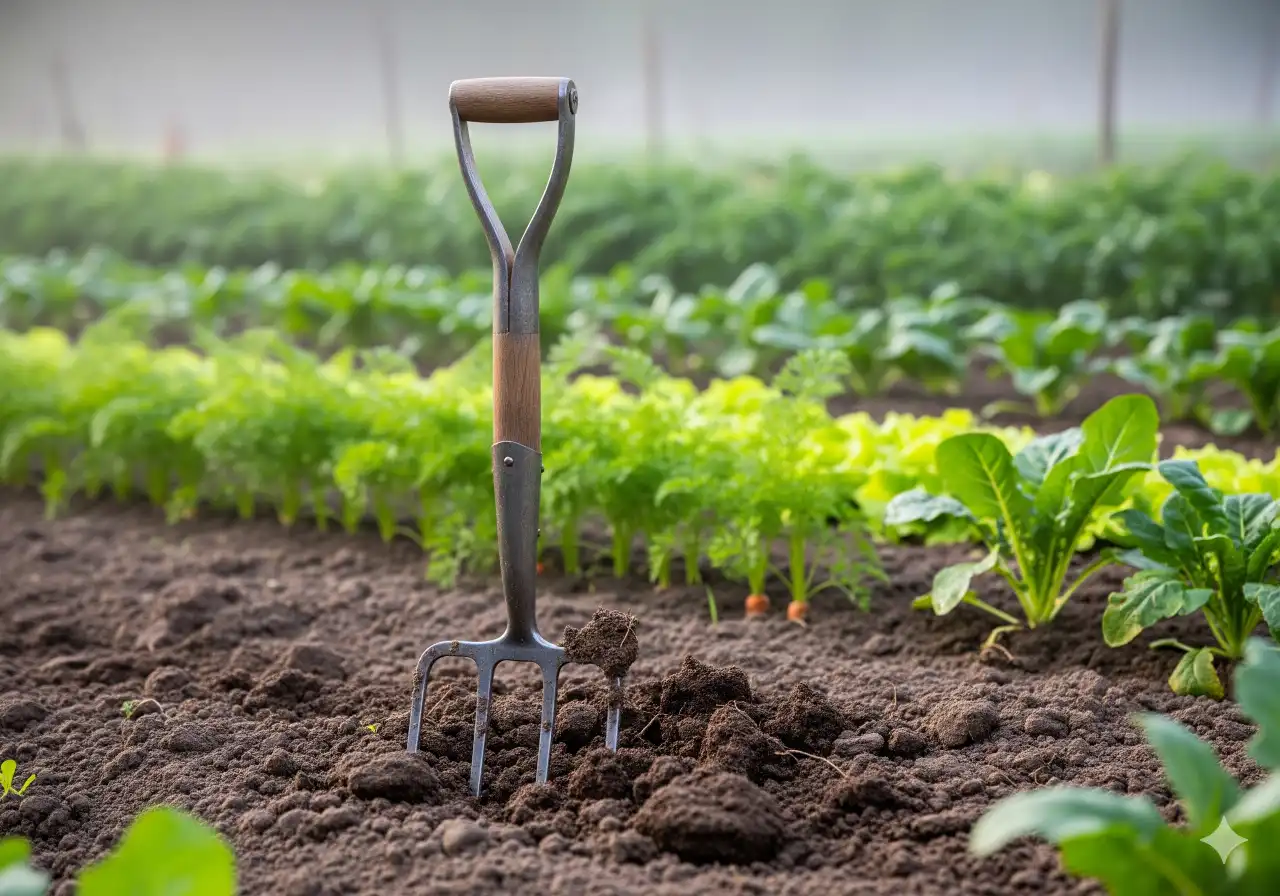
2. Hand Fork (or Cultivator)
This tool has short, sturdy prongs that help loosen compacted soil, break up clumps, and remove weeds.
Real-Life Scenario: If you’re growing carrots or radishes in pots, a hand fork will help you aerate the soil and improve drainage.
3. Pruners (or Secateurs)
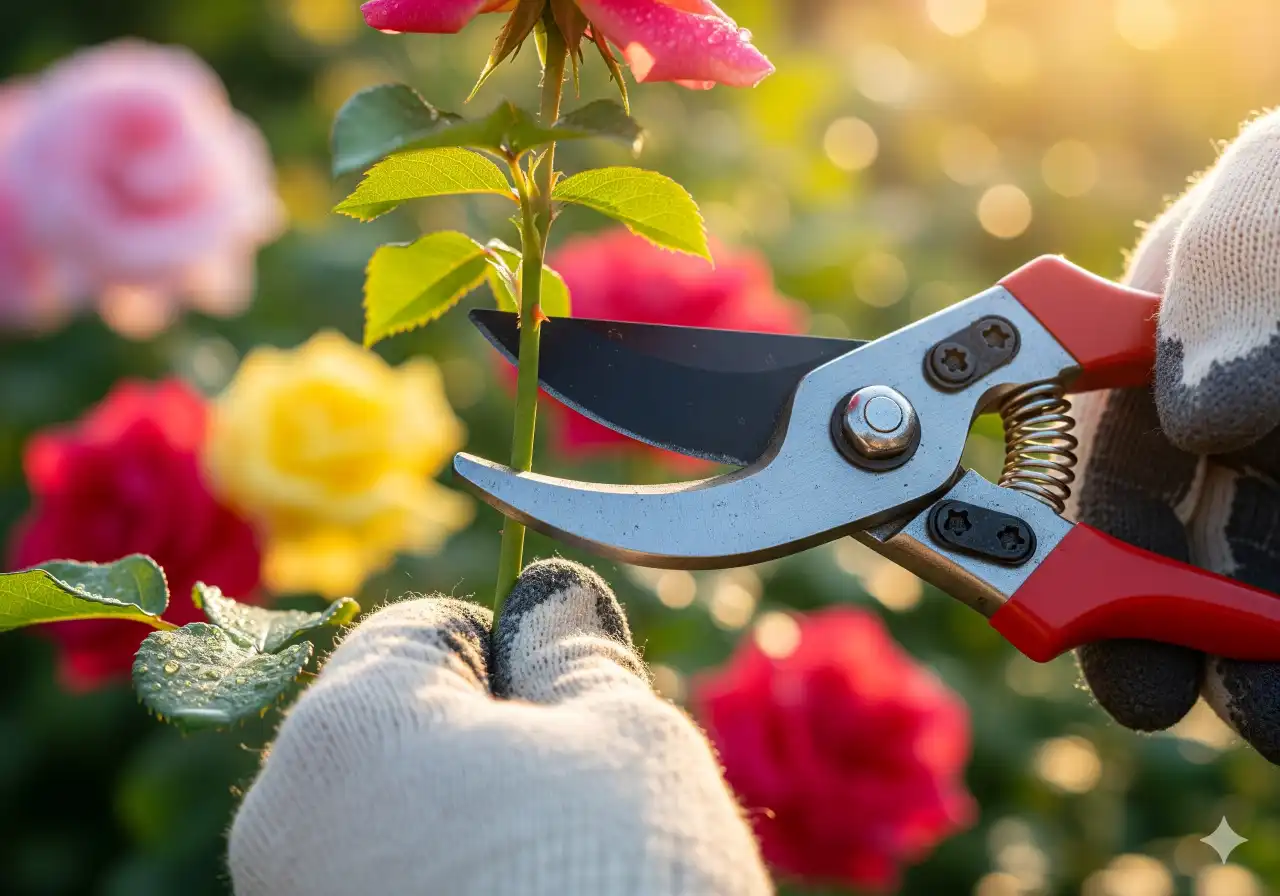
Pruners are like scissors for your plants. They help cut dead leaves, trim stems, and shape plants.
Tip for Beginners: Go for bypass pruners instead of anvil pruners. They give cleaner cuts and are better for living plants.
4. Garden Gloves
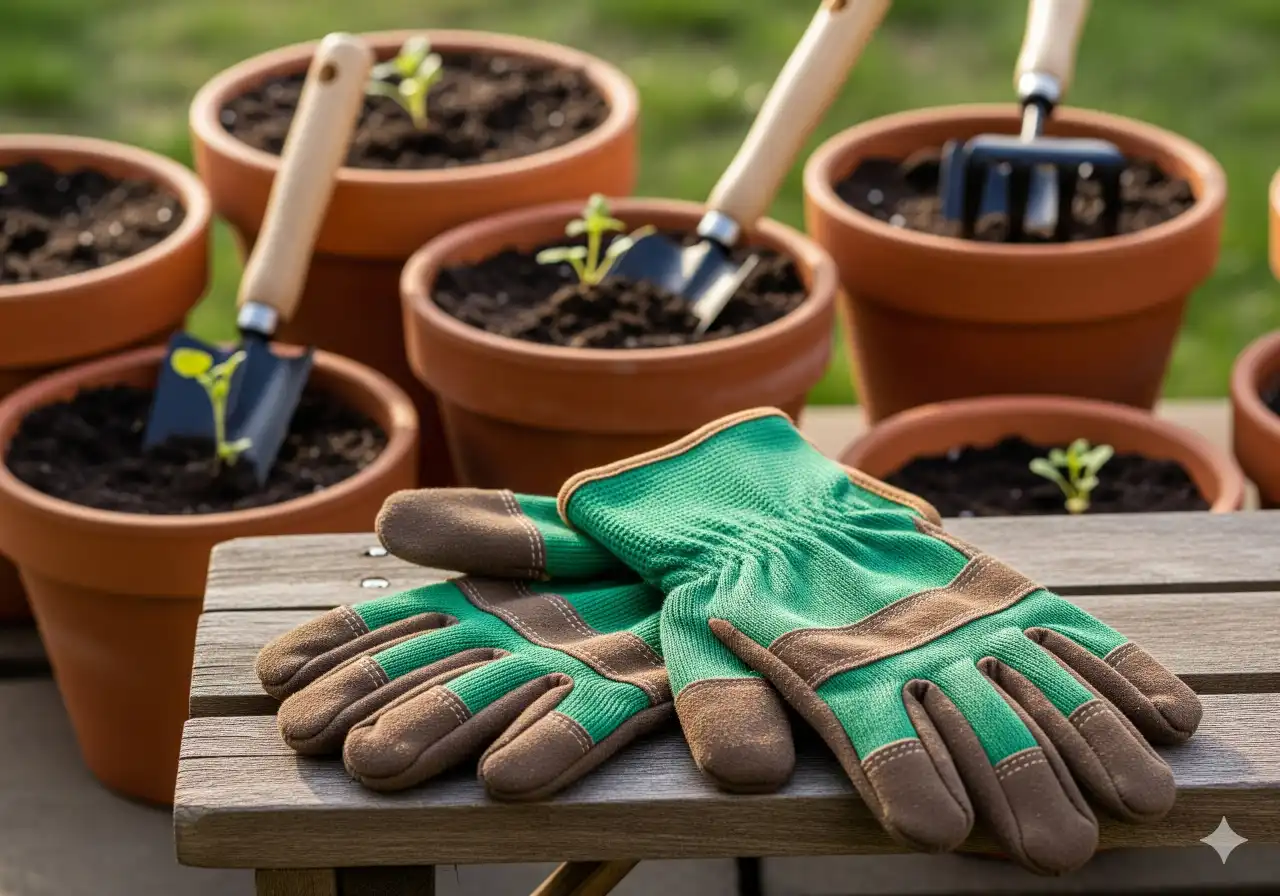
While not technically a tool, gloves are essential for protecting your hands from thorns, blisters, and dirt.
Actionable Tip: Opt for breathable gloves with good grip, especially if you’re handling prickly plants like roses.
Larger Tools for Bigger Jobs
5. Spade
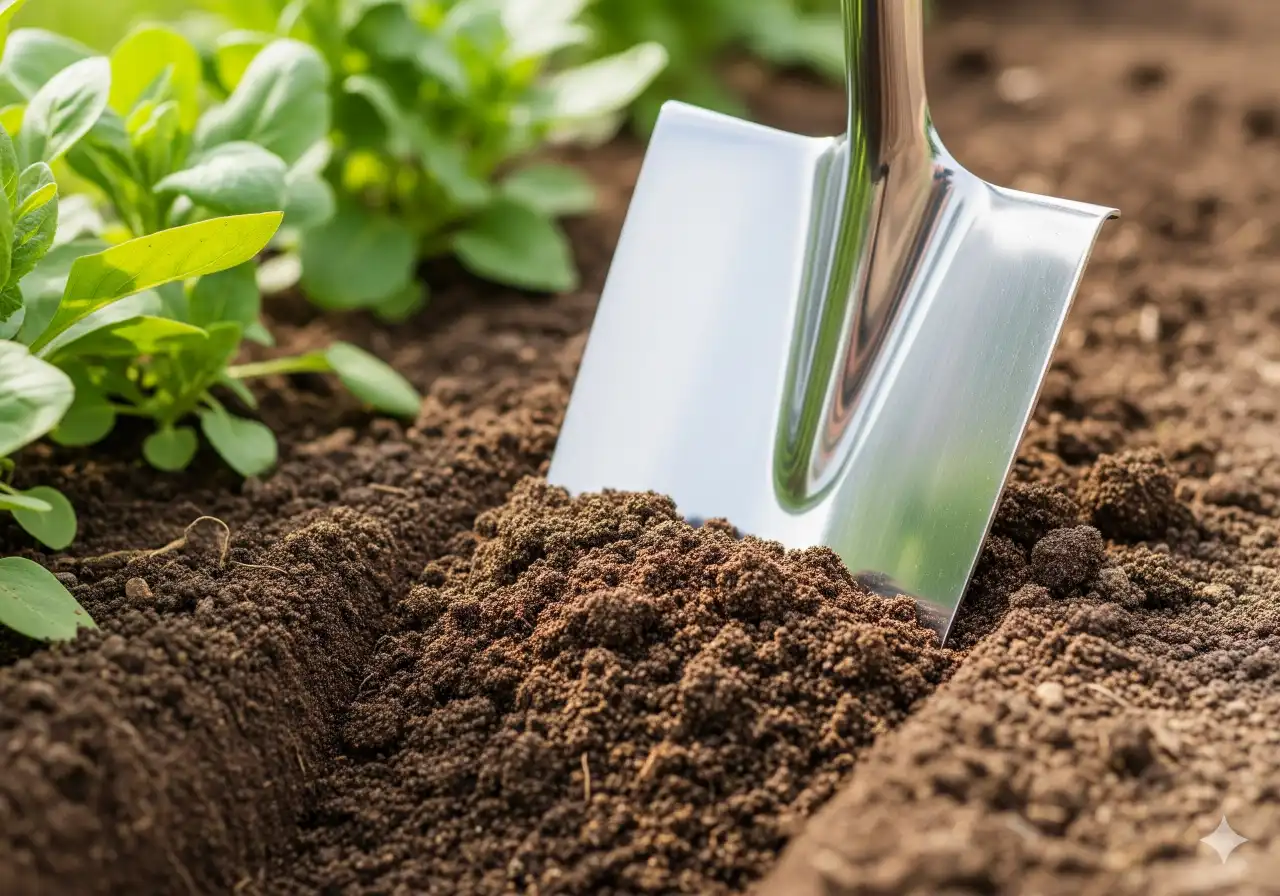
A spade is a must-have for digging, edging, and moving soil. Its flat blade makes it ideal for cutting through roots or lifting sod.
Tip: Invest in a spade with a strong handle — wooden or fiberglass handles tend to last longer.
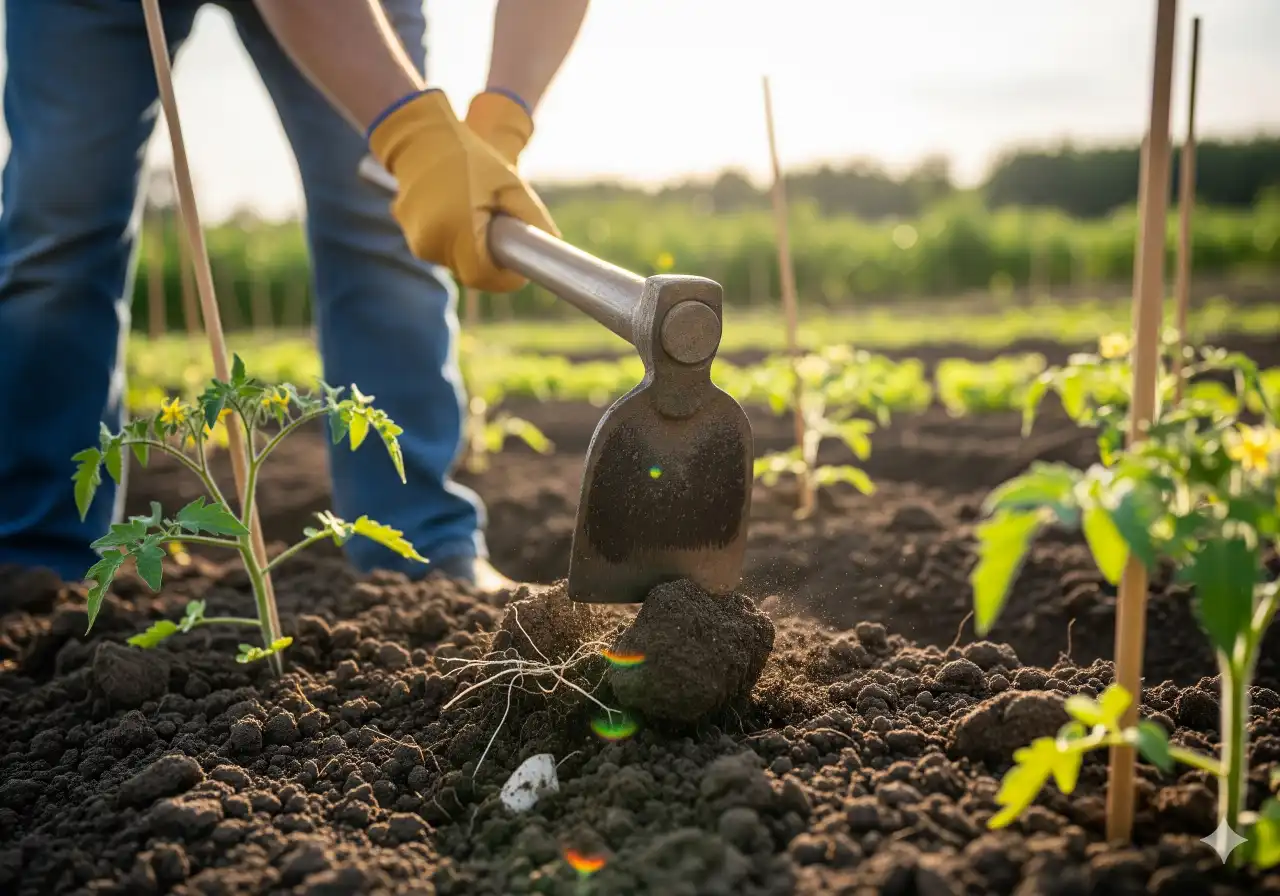
6. Hoe
A hoe is excellent for weeding, shaping soil beds, and clearing debris. Beginners often underestimate this tool, but it can save hours of manual labor.
Real-Life Scenario: If you’re planting rows of beans or lettuce, use a hoe to create neat furrows in the soil.
7. Rake
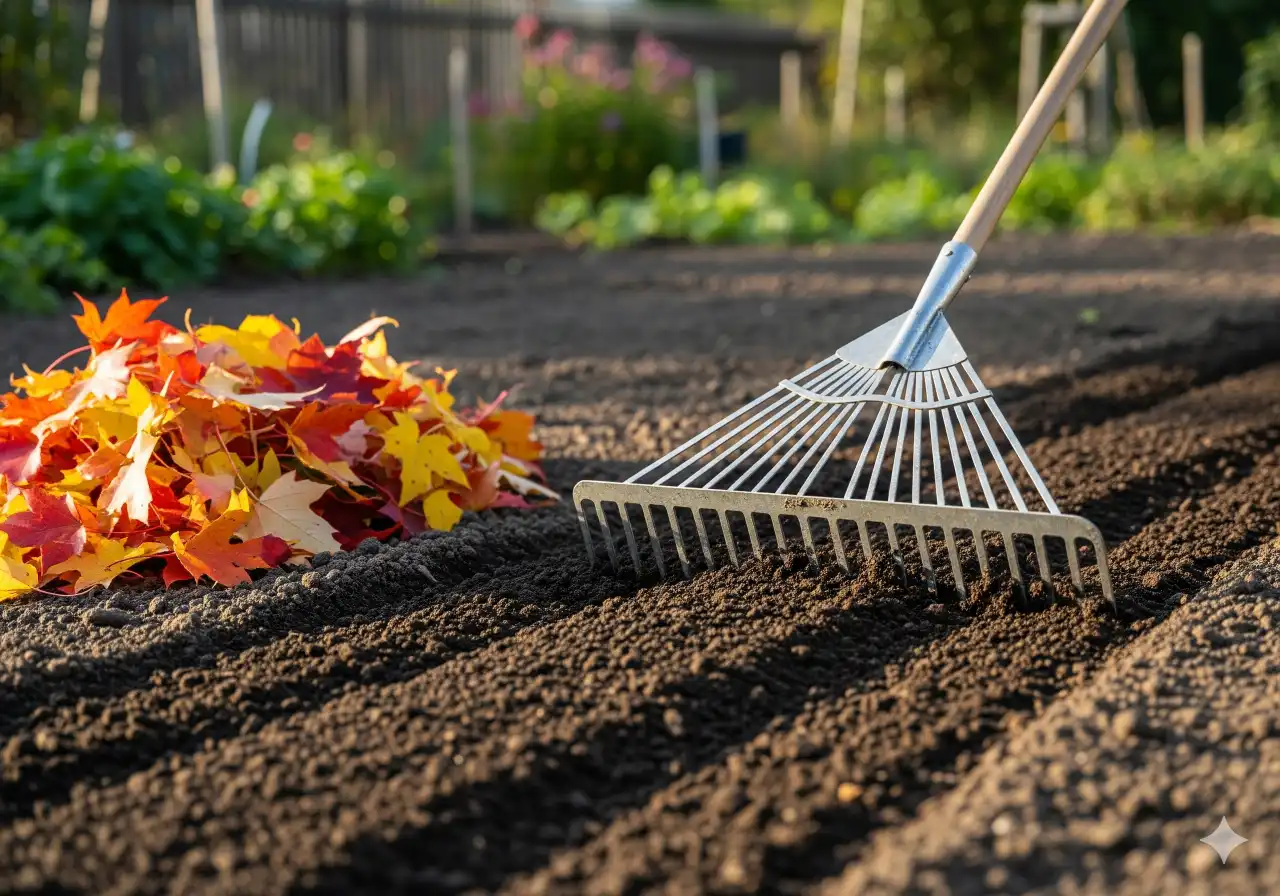
There are two types you should know:
- Leaf rake: Lightweight and ideal for gathering leaves.
- Garden rake: Heavier with strong tines, perfect for leveling soil or spreading mulch.
8. Watering Can (or Hose with Nozzle)
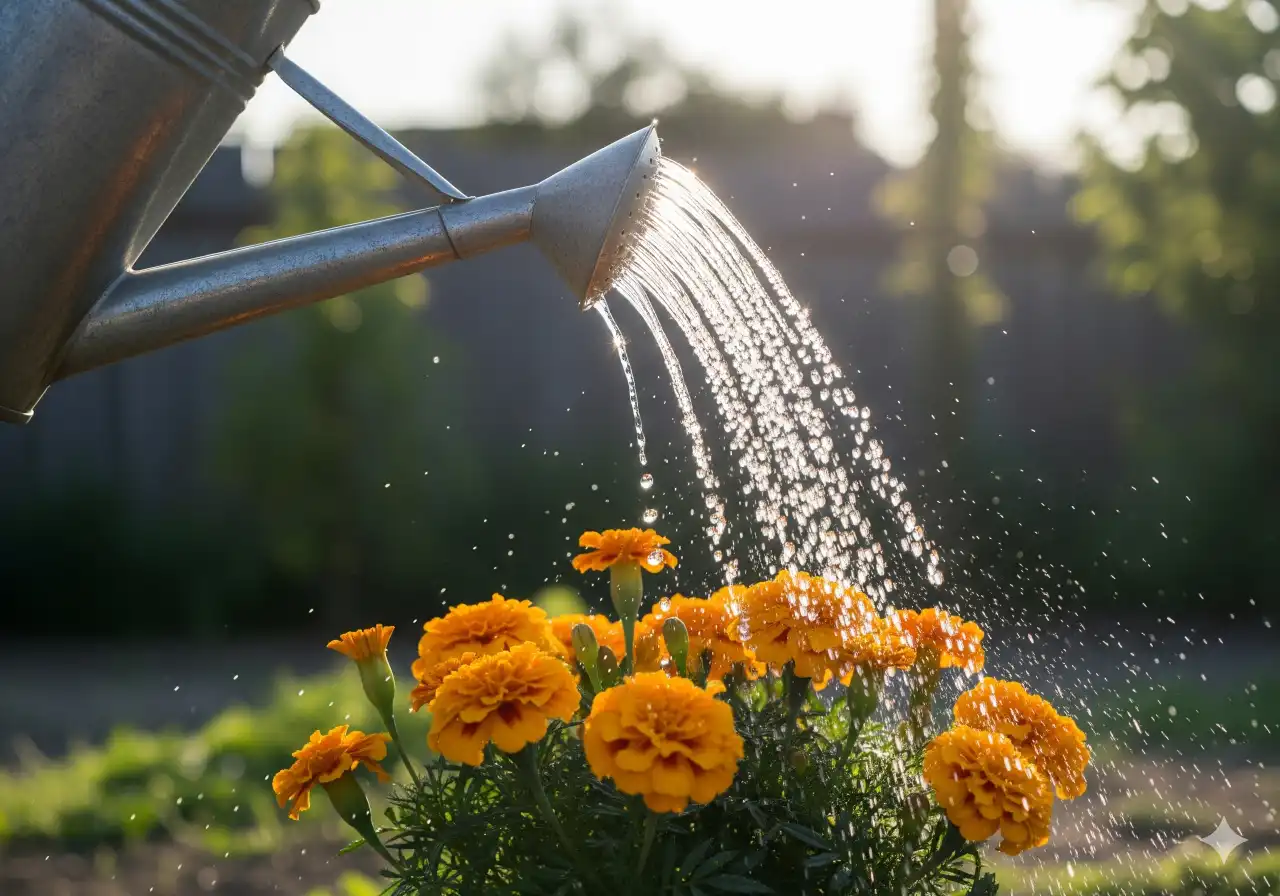
Watering is key to plant survival, and a watering can is a beginner-friendly choice. For larger gardens, a hose with an adjustable nozzle gives more control.
Actionable Tip: Always water at the base of plants, not over the leaves, to avoid fungal problems.
Specialized Tools Worth Considering
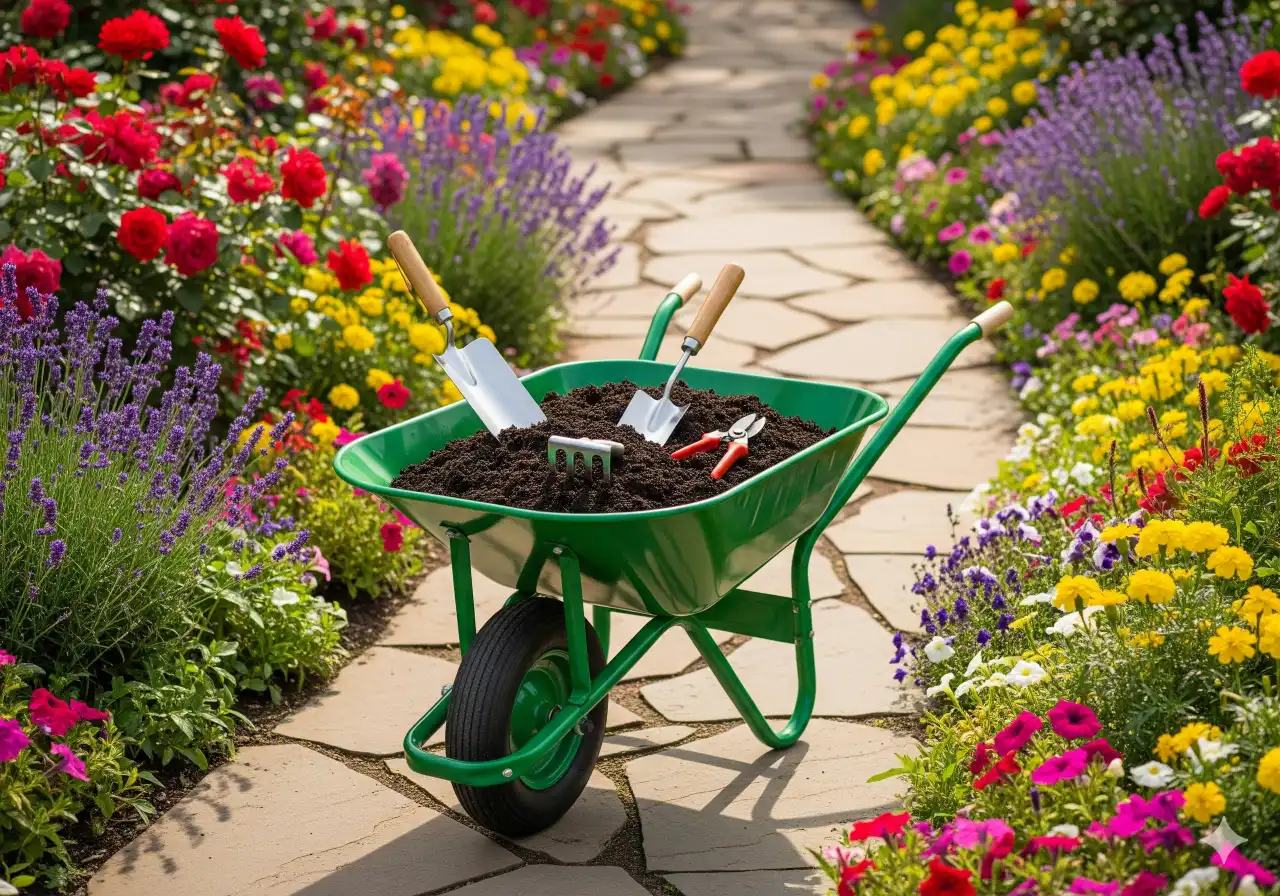
9. Wheelbarrow
If you have a medium to large garden, a wheelbarrow will make transporting soil, compost, or plants much easier.
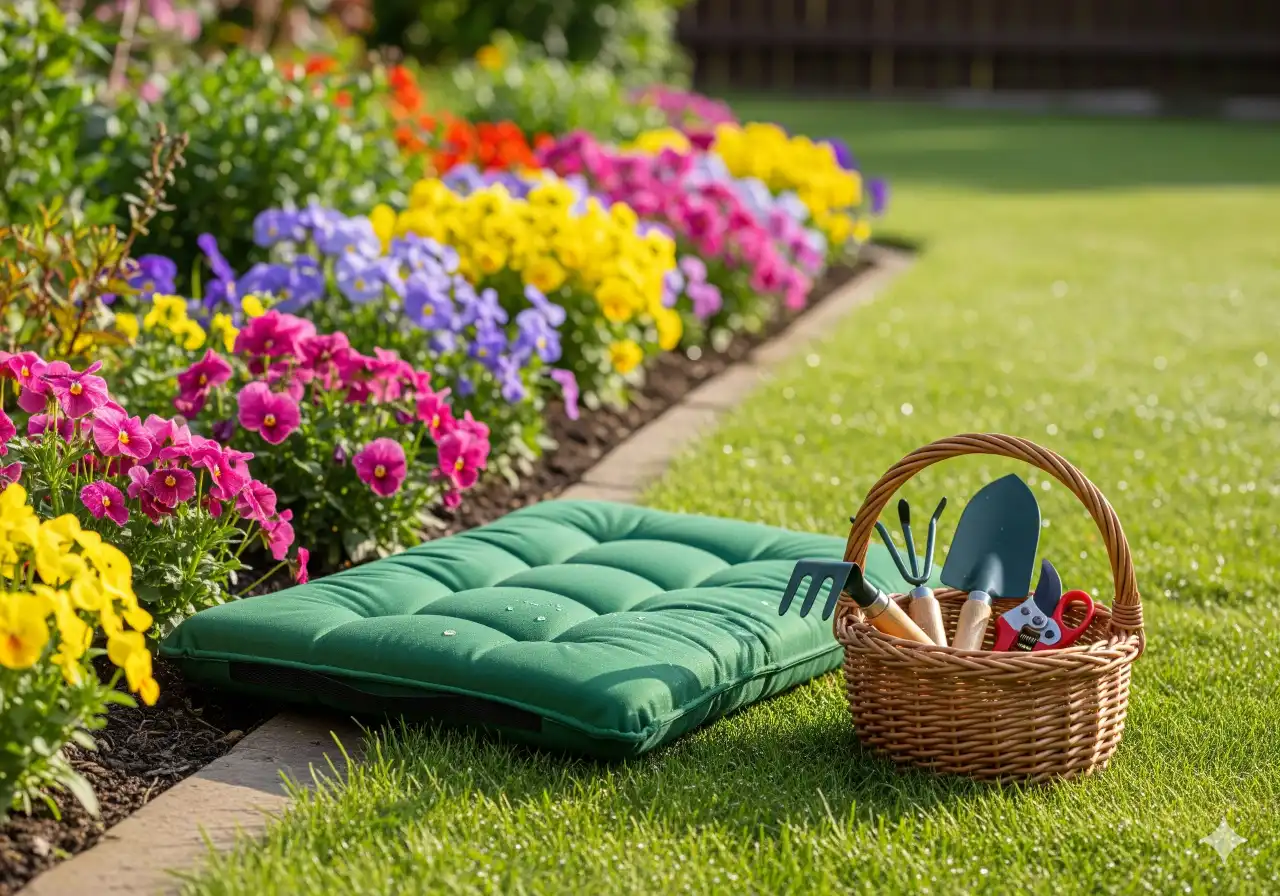
10. Garden Kneeler or Pad
A simple but game-changing accessory, especially if you spend a lot of time planting or weeding at ground level.
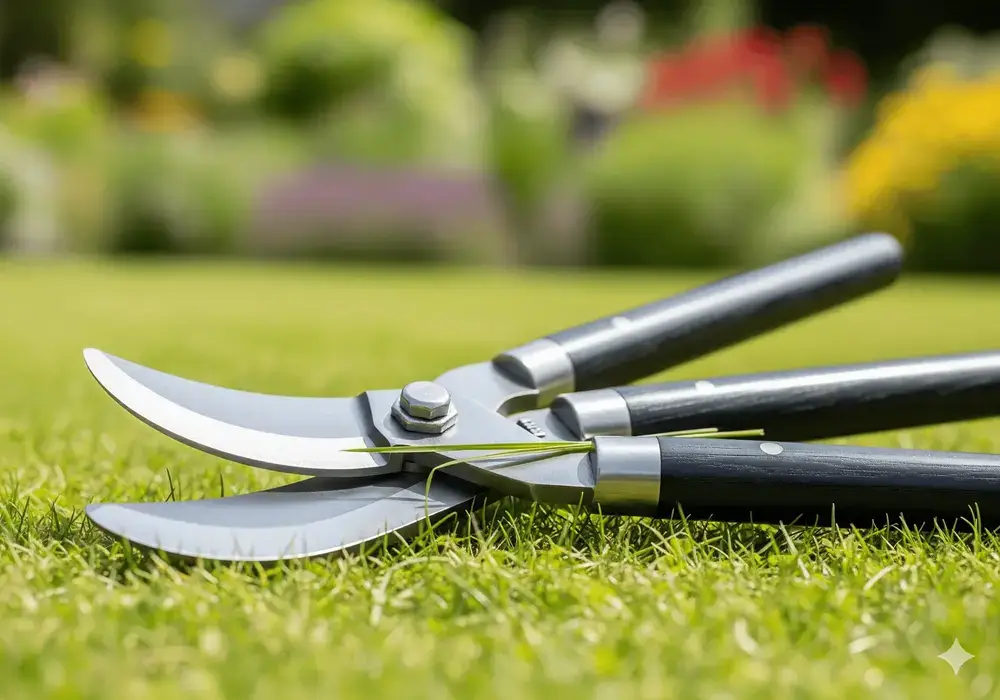
11. Loppers
Similar to pruners but with long handles, loppers are perfect for trimming thicker branches.
Tips for Choosing the Right Tools as a Beginner
- Start Small: Don’t buy everything at once. Begin with the basics — trowel, pruners, gloves, and a watering can.
- Quality Over Quantity: A few durable tools are better than a whole set of cheap, flimsy ones.
- Comfort Matters: Try holding tools in-store to check if they feel comfortable in your hands.
- Maintenance: Clean tools after use and store them in a dry place to extend their life.
Common Mistakes Beginners Make with Gardening Tools
- Using kitchen utensils instead of proper tools (they break easily).
- Watering plants at the wrong time of day (midday sun can scorch leaves).
- Forgetting to sharpen pruners and hoes, which makes gardening harder.
Conclusion
Starting your gardening journey doesn’t have to be complicated. By learning the gardening tools names and how to use them, you’ll set yourself up for success. The right tools save time, protect your plants, and make the experience more enjoyable.
So, whether you’re planting herbs on a sunny windowsill or designing a backyard vegetable patch, invest in the essentials, care for your tools, and watch your garden flourish.
FAQs
1. What are the most essential gardening tools names for beginners?
Some essential gardening tools names every beginner should know include a hand trowel, pruning shears, watering can, gloves, and a garden fork. These tools make planting, pruning, and caring for your plants much easier, helping you start your gardening journey confidently without feeling overwhelmed.
2. Why is it important to learn gardening tools names before starting?
Knowing gardening tools names is important because it helps beginners choose the right tool for each task. Using the wrong tool can waste time or even harm plants. By familiarizing yourself with names like spade, rake, or hoe, you’ll not only improve efficiency but also avoid unnecessary mistakes in your garden.
3. How can beginners remember gardening tools names easily?
Beginners can remember gardening tools names by labeling their tools, creating a simple checklist, or grouping them by use (digging, watering, pruning). Visual aids like photos or diagrams can also help. Over time, as you use each tool regularly, remembering the names becomes natural and effortless.
4. Do gardening tools names vary by country or region?
Yes, some gardening tools names can vary by region. For example, a spade may be called a shovel in some places. Similarly, terminology for hoes, rakes, or pruners can differ. Beginners should focus on understanding the function of each tool, as this ensures you can adapt to regional variations while still gardening effectively.
5. Where can I buy the basic gardening tools mentioned?
The basic gardening tools names listed in this post, such as trowels, pruners, and gloves, can be purchased at local garden centers, hardware stores, or online marketplaces. Beginners should start with affordable yet durable options, then upgrade to specialized tools as their gardening skills grow.