Sedum Garden Ideas for Beginners
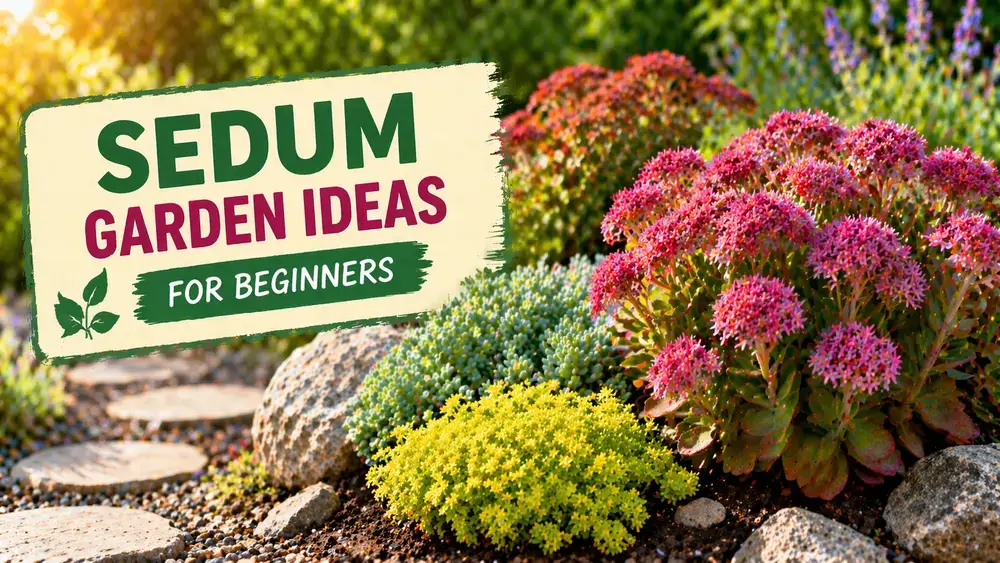
If you’re new to gardening and want a plant that’s beautiful, hardy, and practically takes care of itself, a sedum garden might be the perfect choice. Sedum, also called stonecrop, is a group of succulent plants known for their resilience and vibrant colors. From carpets of creeping sedum to tall, flowering varieties, these plants are loved by beginners and seasoned gardeners alike.
In this guide, we’ll explore easy and creative sedum garden ideas, beginner tips for planting and care, and ways to design your outdoor (or even indoor) space using sedum. By the end, you’ll feel confident about starting your very own sedum garden.
Why Choose a Sedum Garden?
Low-Maintenance Beauty
One of the best things about sedum is that it thrives on neglect. Once established, sedum requires very little watering and no complicated feeding schedule. If you’ve struggled to keep plants alive before, a sedum garden can give you a confidence boost.
Year-Round Appeal
Sedum comes in many varieties, offering seasonal interest from spring through fall. Upright sedum bursts into blooms in late summer and autumn, while creeping sedum adds colorful foliage throughout the year. This makes your sedum garden lively across seasons.
Beginner-Friendly Planting
You don’t need to be an expert to start growing sedum. With just a few cuttings or small transplants, you can fill containers, cover bare ground, or design rock gardens that look professional with very little effort.
Getting Started with Your Sedum Garden
Choosing the Right Sedum Varieties
Not all sedum plants are the same. For beginners, here are a few easy choices:
- Creeping sedum (Sedum spurium, Sedum album): Spreads quickly, great as ground cover.
- Upright sedum (Sedum spectabile, Sedum ‘Autumn Joy’): Taller plants with clusters of flowers that attract pollinators.
- Golden sedum (Sedum kamtschaticum): Adds a bright pop of color.
Picking the Perfect Location
Sedum loves the sun. Aim for at least six hours of direct sunlight daily. If you’re planting indoors or on a balcony, place pots where they’ll get maximum light.
Preparing the Soil
These plants don’t like wet feet. Choose well-drained soil, and if you’re planting in containers, make sure pots have drainage holes. A sandy or gravelly soil mix works best for a thriving sedum garden.
Creative Sedum Garden Ideas for Beginners
Rock Garden Designs
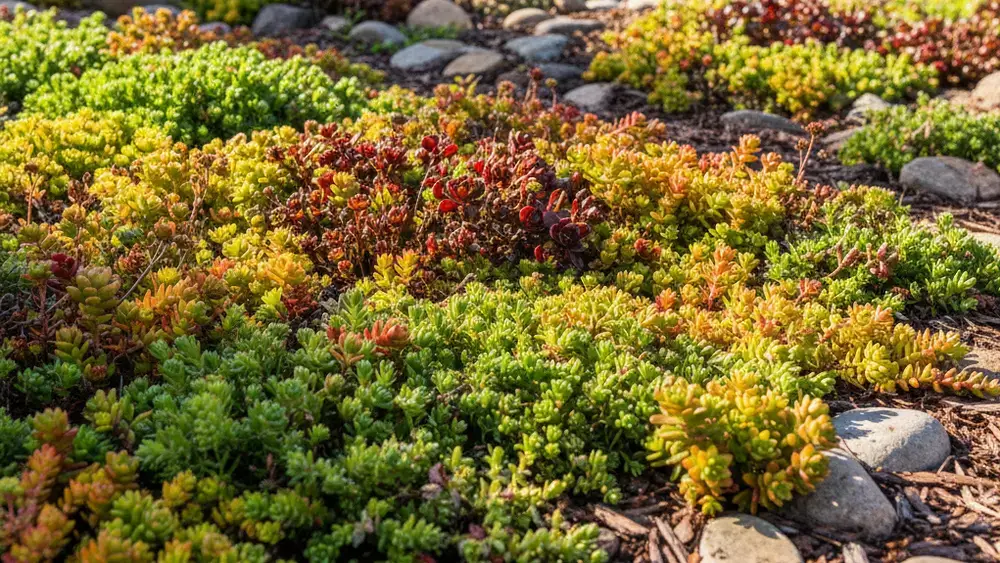
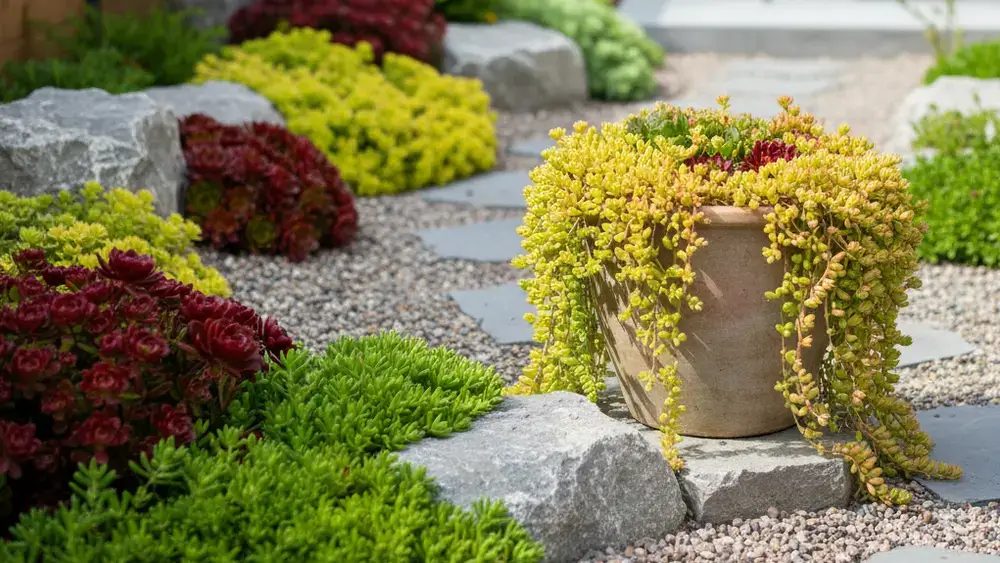
Sedum looks stunning when planted between rocks or gravel. Their fleshy leaves contrast beautifully with stone textures, creating a natural, low-maintenance rock garden. You can use sedum to fill cracks between large rocks or line pathways with small varieties.
Sedum in Containers and Pots
Short on space? A container sedum garden is perfect for patios, balconies, or even window boxes. Mix different sedum varieties in one pot for color and texture variation. For example, combine trailing sedum with upright flowering types for a layered effect.
Sedum as Ground Cover
If you have bare spots in your yard where grass won’t grow, creeping sedum makes an excellent ground cover. It prevents weeds, spreads quickly, and creates a soft, colorful carpet. Many gardeners use sedum to fill gaps between stepping stones or around trees.
Vertical Sedum Gardens
Feeling creative? Sedum is ideal for vertical gardening projects like living walls or DIY wall planters. Their shallow root systems and drought tolerance mean they can thrive in vertical planters with minimal care. This is a fantastic way to bring greenery into small urban spaces.
Planting and Caring for Your Sedum Garden
Step-by-Step Planting Guide
- Pick your spot or container with good drainage.
- Prepare sandy, loose soil.
- Place sedum cuttings or small plants on the soil surface.
- Lightly press them in without burying too deep.
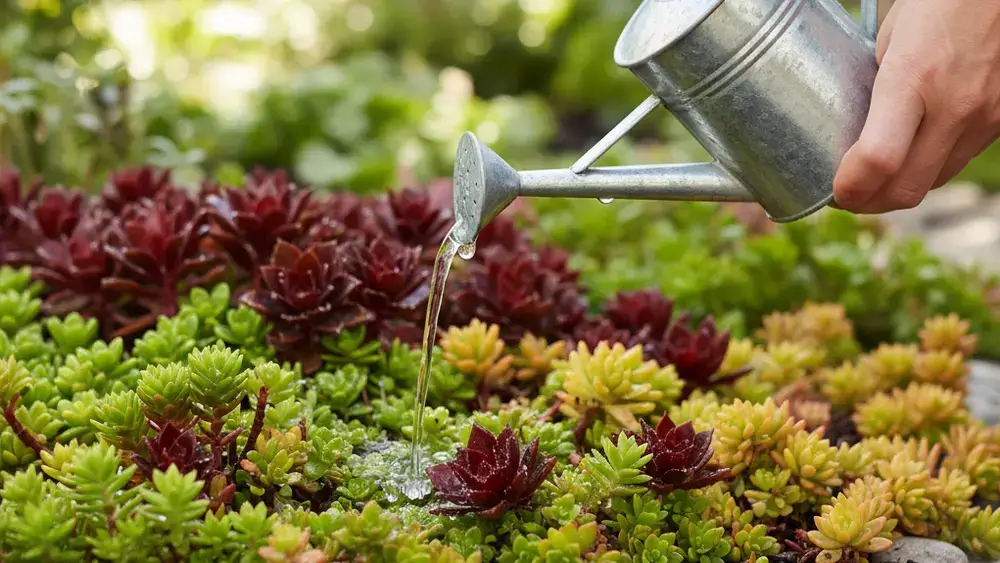
- Water sparingly—just enough to settle the soil.
Watering and Fertilizing Tips
Sedum doesn’t need frequent watering. Once a week in summer is plenty, and even less in cooler months. Overwatering is the biggest mistake beginners make. Fertilizer is usually unnecessary, but if your sedum looks weak, a light application of balanced fertilizer in spring will help.
Pruning and Maintenance
Cut back tall varieties in late fall or early spring to keep them tidy. Remove dead stems and leaves to prevent pests. Creeping sedum may need occasional trimming to keep it from spreading too aggressively.
Common Problems and Easy Fixes
Overwatering Issues
If your sedum leaves turn mushy or yellow, it’s likely too much water. Reduce watering and improve soil drainage.
Pests and Diseases
Sedum is relatively pest-free, but you may occasionally see aphids or slugs. A simple spray of water or organic neem oil can help manage these pests.
How to Revive a Struggling Sedum Plant
If your sedum looks weak, move it to a sunnier location, cut back damaged parts, and let the soil dry out before watering again.
Seasonal Care for Your Sedum Garden
- Spring: Plant new sedum or divide older clumps to expand your garden.
- Summer: Water only during extended droughts. Enjoy their vibrant growth.
- Autumn: Upright sedum varieties bloom with pink and red flowers, perfect for adding fall color.
- Winter: Most sedum can handle frost. If in pots, bring them closer to shelter for protection.
Extra Tips to Make Your Sedum Garden Shine
- Pair sedum with ornamental grasses, lavender, or thyme for texture variety.
- Use decorative stones, driftwood, or mulch to add visual interest.
- Mix green, golden, and red sedum varieties for striking color contrasts.
- Consider a small “sedum border” around flower beds for a neat, low-maintenance edge.
Conclusion
Starting a sedum garden is one of the easiest ways to add beauty, color, and life to your outdoor space without the stress of high-maintenance plants. With their drought resistance, stunning varieties, and versatility in design, sedum plants are perfect for beginners who want quick results with minimal effort.
Now that you have ideas for rock gardens, container displays, ground covers, and even vertical sedum projects, why not start experimenting today? Your new sedum garden could become the highlight of your backyard or balcony.
FAQs About Sedum Garden
1. What is the easiest way to start a sedum garden?
The easiest way to start a sedum garden is by using cuttings or small starter plants. Simply place them in well-draining soil and water lightly until established. Sedum grows quickly, so even a few plants can cover ground or fill containers within a season. Beginners love sedum because it requires minimal care and thrives in sunny spots.
2. Can I grow a sedum garden in containers?
Yes, a sedum garden grows beautifully in containers, making it perfect for small spaces like patios or balconies. Choose a shallow pot with good drainage and use sandy soil to prevent waterlogging. Mix different sedum varieties in one container for texture and color contrast. Water sparingly, and your potted sedum garden will stay lush and vibrant with very little effort.
3. How much sunlight does a sedum garden need?
A sedum garden thrives best in full sun, ideally with at least six hours of direct light daily. Sedum can tolerate partial shade, but too little sunlight may cause the plants to stretch and lose their vibrant colors. For the healthiest sedum garden, place it in a bright, sunny spot where it can show off its natural beauty year-round.
4. What are common problems in a sedum garden?
The most common issue in a sedum garden is overwatering, which can lead to root rot and mushy leaves. Pests like aphids may also appear occasionally, but they’re easy to control with water sprays or organic solutions. To prevent problems, always use well-draining soil, water sparingly, and give your sedum garden plenty of sunlight. Most problems are easy to fix with small adjustments.
5. Does a sedum garden need winter care?
Most sedum varieties are hardy and can survive frost, making them an excellent choice for year-round interest. In a sedum garden, you can leave the plants outdoors, where they may change color or go dormant in winter. If your sedum is in containers, move pots to a sheltered spot to protect them from extreme cold. Come spring, they bounce back with fresh growth.