10 Container Gardening Mistakes Beginners Must Avoid
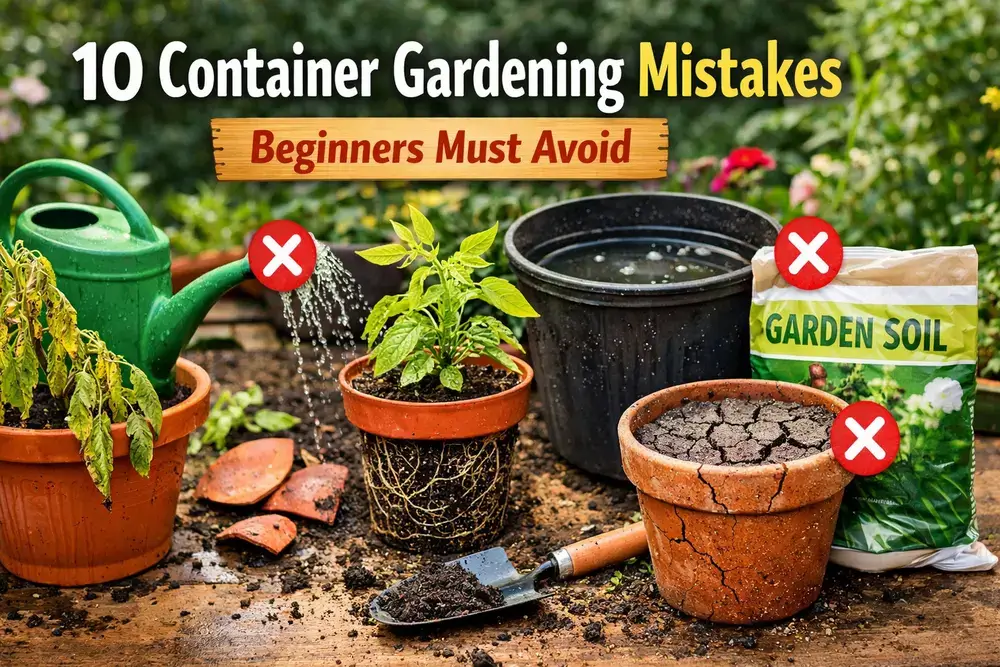
Starting a container garden is one of the easiest ways to grow plants at home, even if you have limited space. Yet many beginners struggle because of simple but costly errors. These container gardening mistakes can lead to weak growth, yellow leaves, or even dead plants.
The good news is that most of these problems are easy to avoid once you understand the basics. In this guide, you will learn the most common beginner gardening mistakes, why they happen, and exactly how to fix them. By the end, you will be able to grow healthy, thriving plants in pots with confidence.
Quick Answer
The most common container gardening mistakes include overwatering, using poor soil, choosing the wrong pot size, and placing plants in the wrong location. Avoiding these errors and following basic care practices will significantly improve plant health and growth.
Basics of Container Gardening
Container gardening involves growing plants in pots instead of directly in the ground. It gives you control over soil, water, and placement, which makes it ideal for beginners.
According to the container gardening advice from the Royal Horticultural Society, success depends on three key factors:
- Proper drainage
- Suitable soil mix
- Correct watering and sunlight
Ignoring any of these can quickly lead to common container gardening problems.
Step-by-Step Guide to Starting a Container Garden
1. Choose the Right Container
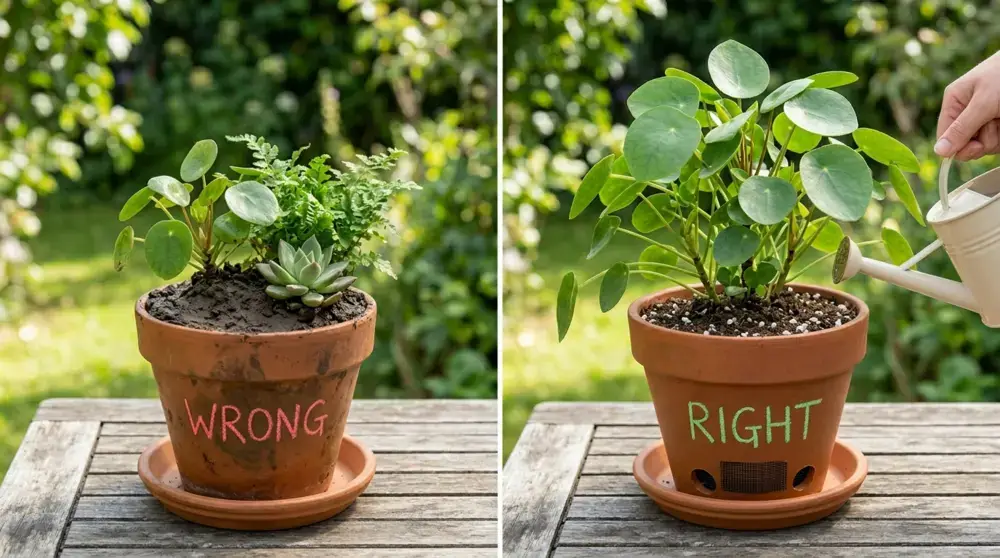
Pick pots with drainage holes. Size matters too. Small pots dry out quickly, while large ones retain moisture longer.
2. Use Quality Potting Mix
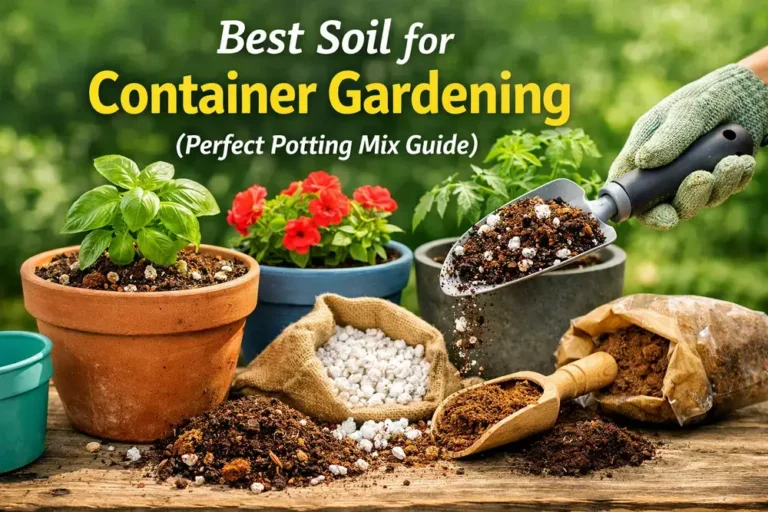
Avoid garden soil. Instead, use a light, well-draining mix. If you are unsure, follow this guide on the best soil for container gardening to choose the right blend.
3. Select Suitable Plants
Choose plants based on your climate and sunlight conditions. Herbs, tomatoes, and leafy greens are great for beginners.
4. Place Containers Correctly
Most plants need 6 to 8 hours of sunlight. Observe your space before deciding where to place pots.
5. Water Properly
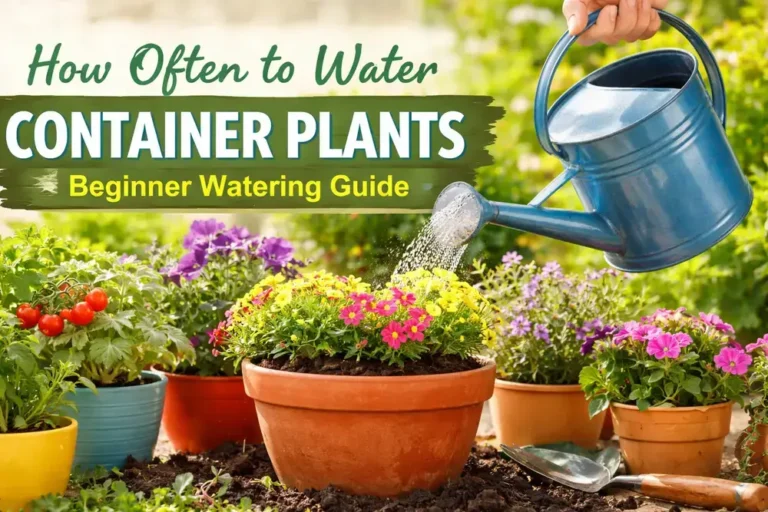
Water when the top inch of soil feels dry. For a detailed schedule, check this guide on how often to water container plants.
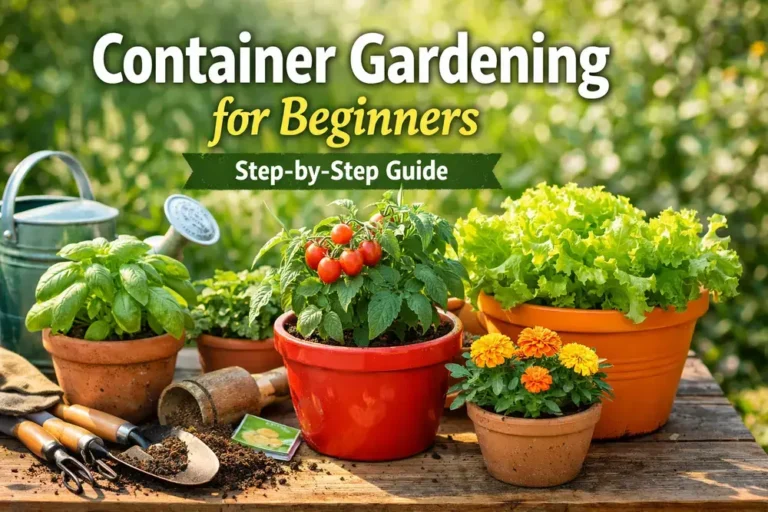
If you are completely new, this container gardening for beginners step-by-step guide will help you build a strong foundation.
Beginner Tips and Best Practices
- Always check soil moisture before watering
- Use mulch to retain moisture
- Rotate pots for even sunlight exposure
- Feed plants with liquid fertilizer every 2–3 weeks
- Clean containers before reuse
Following these simple habits will reduce most plant care mistakes.
Common Container Gardening Mistakes to Avoid
1. Overwatering Plants
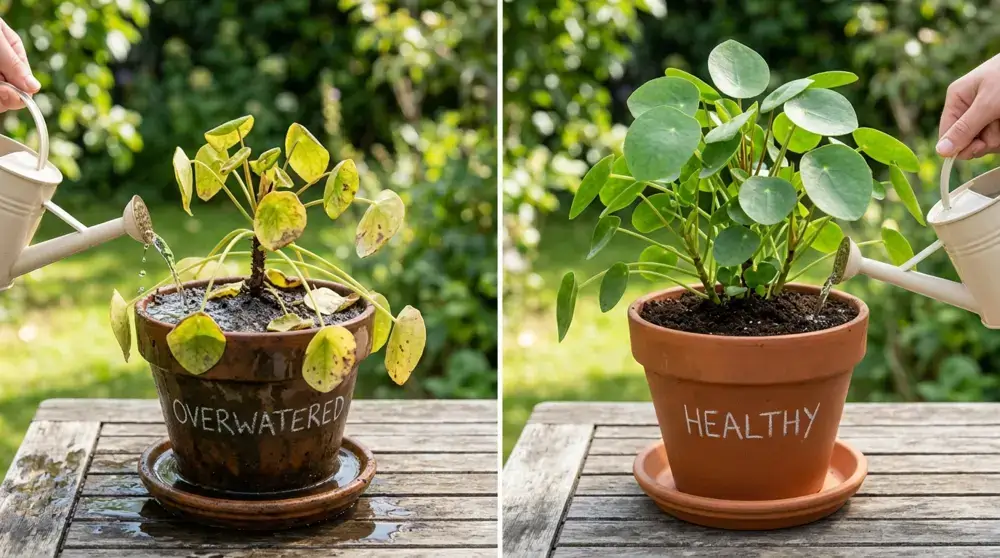
This is the most common mistake. Many beginners water plants daily without checking soil moisture.
Problem: Roots rot due to a lack of oxygen
Solution:
- Check the soil with your finger
- Water only when needed
- Ensure proper drainage
2. Using the Wrong Soil
Garden soil becomes compact in pots and blocks airflow.
Problem: Poor root growth and drainage issues
Solution:
- Use a light potting mix
- Add perlite or compost for better structure
3. Choosing the Wrong Pot Size
Small pots restrict root growth, while oversized pots can hold too much water.
Problem: Stunted growth or root rot
Solution:
- Match pot size to plant type
- Upgrade containers as plants grow
4. Ignoring Drainage
Some decorative pots lack drainage holes.
Problem: Water buildup leads to root rot
Solution:
- Always use pots with holes
- Add a drainage layer if needed
5. Placing Plants in the Wrong Location
Light requirements vary between plants.
Problem: Weak or leggy growth
Solution:
- Research plant’s sunlight needs
- Move pots based on seasonal changes
6. Overcrowding Plants
Beginners often plant too many plants in one container.
Problem: Competition for nutrients and space
Solution:
- Follow spacing guidelines
- Use separate pots when needed
7. Not Feeding Plants
Container plants rely entirely on you for nutrients.
Problem: Slow growth and pale leaves
Solution:
- Use liquid fertilizer regularly
- Choose balanced nutrients
8. Ignoring Weather Conditions
Heat, wind, and rain affect container plants more than ground plants.
Problem: Rapid drying or damage
Solution:
- Move pots during extreme weather
- Use shade or wind protection
9. Not Repotting When Needed
Roots eventually outgrow containers.
Problem: Root-bound plants stop growing
Solution:
- Check roots every few months
- Repot into a larger container when needed
10. Skipping Regular Maintenance
Neglecting pruning and cleaning leads to pest and disease issues.
Problem: Weak and unhealthy plants
Solution:
- Remove dead leaves
- Inspect plants weekly
For detailed care practices, refer to this guide on growing plants in containers and this container maintenance advice to understand proper plant care routines.
Quick Comparison: Common Mistakes vs Correct Practices
| Use a well-draining potting mix | Correct Practice |
|---|---|
| Overwatering | Water only when soil is dry |
| Poor soil | Use well-draining potting mix |
| No drainage | Always use pots with holes |
| Wrong plant placement | Match plants to sunlight conditions |
| Overcrowding | Follow proper spacing |
| No fertilization | Feed regularly with nutrients |
Recommended Plants for Beginners
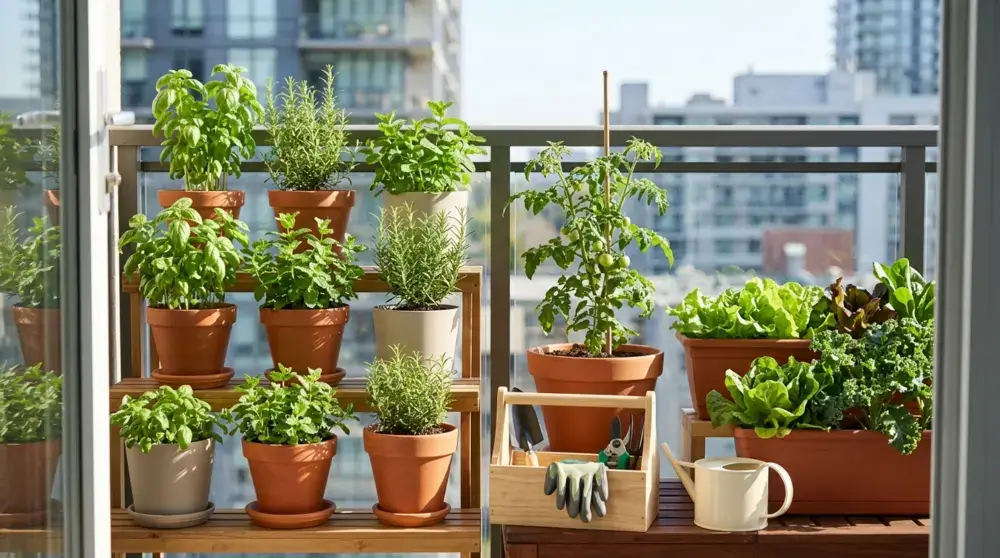
If you want to avoid beginner gardening mistakes, start with easy plants:
- Basil
- Mint
- Lettuce
- Cherry tomatoes
- Spider plant
These plants are forgiving and adapt well to container environments.
Conclusion
Container gardening is simple once you avoid the common mistakes that beginners often make. Most problems come from overwatering, poor soil, or incorrect placement. By understanding these issues and applying the right techniques, you can grow strong and healthy plants in any space.
Start small, learn from your experience, and improve step by step. Even a few well-maintained pots can transform your home into a thriving green space.
Ready to improve your container garden? Explore the detailed guides on your next steps, especially the beginner-friendly tutorials and soil selection tips mentioned above. With the right knowledge, you can avoid mistakes and grow with confidence.
FAQs – Container Gardening Mistakes
1. What is the most common container gardening mistake beginners make?
The most common container gardening mistake is overwatering. Many beginners assume plants need daily watering, but this often leads to root rot. Instead, check the top inch of soil before watering. If it feels dry, then water deeply until it drains out. Proper drainage holes and well-draining soil are essential to prevent this issue.
2. How do I avoid overwatering my container plants?
To avoid this common container gardening mistake, always test the soil moisture before watering. Insert your finger about 2–3 cm into the soil. If it feels moist, wait another day. Use pots with drainage holes and avoid leaving water in saucers. Early morning watering also helps plants absorb moisture more effectively.
3. Why is choosing the right soil important in container gardening?
Using the wrong soil is one of the most overlooked container gardening mistakes. Garden soil becomes compact in pots and blocks airflow. Always use a quality potting mix that drains well while holding enough moisture. Adding compost or perlite improves structure and helps roots grow strong and healthy.
4. What size container should I use for my plants?
Choosing the wrong pot size is a frequent container gardening mistake. Small pots dry out quickly and restrict root growth, while very large pots can hold too much water. Select a container that suits the plant’s mature size and allows room for root development. Repot plants when roots start circling the container.
5. How can I prevent common container gardening problems early?
The best way to prevent container gardening mistakes is to follow a simple routine. Check soil moisture regularly, place plants in the right sunlight, and feed them every few weeks. Inspect leaves for pests or yellowing. Starting with easy plants like herbs or lettuce also helps beginners gain confidence and avoid early failures.